

Beyond Pills: Reclaiming Your Health with Ayurveda's Self-Healing Wisdom
Want to explore how Ayurveda and Panchakarma create pathways to healing and fulfilling careers?
Watch the podcast featuring Dr. Girish Kumar and Dr. Leena Wadia on YouTube: https://youtu.be/es53lKJXxDY?si=Xz2VVH2aaG_xjVe3
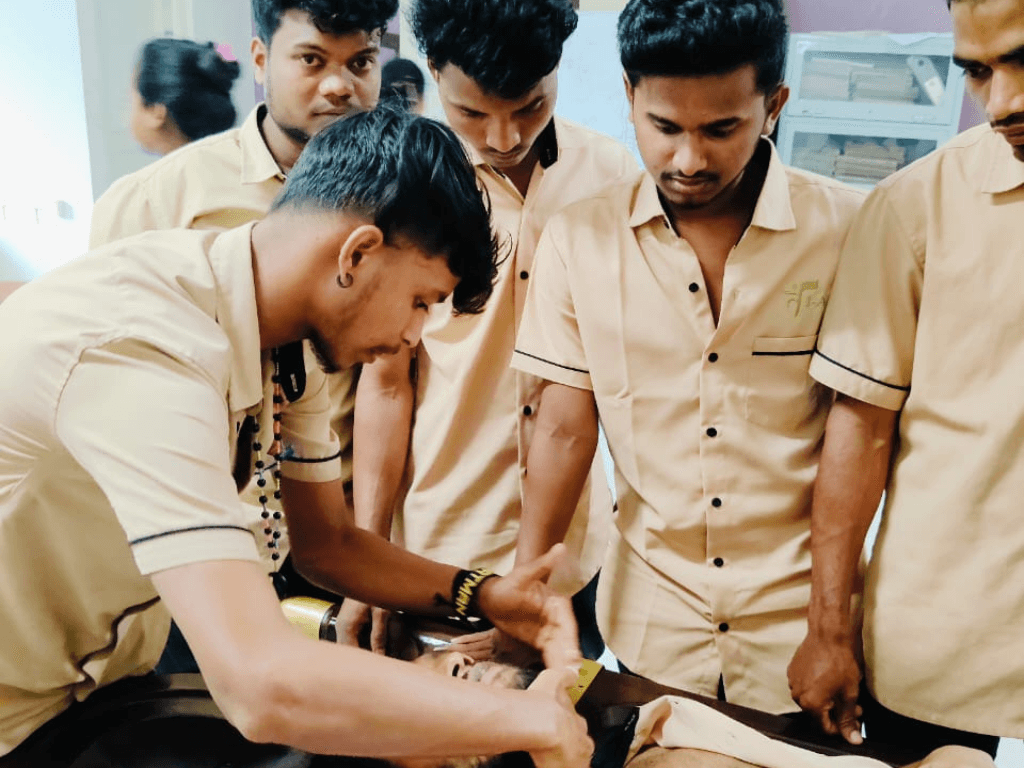
In an era dominated by immediate reliance on pharmacies for common ailments like a cold, cough, or fever, the profound wisdom of traditional healing often takes a back seat. We've become accustomed to depending on instant medication, rather than fostering our body's inherent capacity for self-healing and self-reliance. However, Ayurveda, a timeless system of medicine, offers a powerful alternative, urging us to realign with nature and tap into our internal well-being. This ancient science promotes the use of medicinal plants and local produce like ginger, pepper, and tulsi for everyday primary healthcare, empowering individuals and communities.
At its heart, Ayurveda defines health not merely as the absence of disease but as a balanced state across multiple dimensions. This comprehensive definition includes the harmony of the three fundamental physiological functions, known as Doshas (Vata, Pitta, and Kapha), which are highly dynamic and constantly fluctuate with environmental changes and lifestyle choices. Furthermore, health encompasses a balanced Agni (metabolism), balanced tissues, efficient excretory functions, and a state of contentment in our senses, mind, and soul. When this intricate balance is disturbed, often by our own actions like irregular eating or sleep patterns, it can lead to illness.
A cornerstone of Ayurvedic therapy for rebalancing these vital energies is Panchakarma. While crucial for addressing existing illnesses by harmonising imbalanced Doshas, its significance extends to preventative health and wellness, helping individuals maintain balance through seasonal changes. For example, undergoing specific Panchakarma therapies during certain seasons, like Vamana in spring, can preemptively protect against imbalances for the entire year. Beyond advanced therapies, Ayurveda also offers simpler yet profound daily practices for holistic well-being, such as Abhyanga (oil massage). Regular self-massage can improve circulation, foster cellular consciousness, balance bodily exchanges, facilitate waste excretion, and even help postpone the aging process, maintaining youthful vitality.
The principles of Ayurveda are not confined to clinics; they are a traditional healing system deeply woven into daily life. The University of Transdisciplinary Health Sciences and Technology (TDU) champions the idea that Ayurvedic education should begin at a primary level, teaching children to identify and utilise medicinal plants and understand their properties, treating health as a universal religion. Consider these everyday practices that embody Ayurvedic self-healing wisdom: eating with your hands to stimulate digestion, regular Shiro Abhyanga (oiling the head) to balance sense organs and benefit neurological and endocrine systems, and oil pulling (Gandusha/Kavala) for improved gum health. For healthy individuals, even two drops of oil or ghee in the nostrils daily (Nasya) can support neurological plexuses and sensory organs.
For those inspired to delve deeper into this ancient science, a career as an Ayurvedic therapist offers a unique path to becoming an essential "extended hand" of the Ayurvedic physician, much like nurses in modern healthcare. These therapists are vital healers and caretakers, directly involved in patient care and treatment application. TDU offers comprehensive training programs, including a six-month certificate and a one-year diploma in Panchakarma Therapies. These programmes are designed to impart both theoretical knowledge and practical skills, including how to prepare fresh medicinal ingredients like decoctions, pastes, and so on. Students also learn medicinal plant identification and collection.
The demand for qualified Ayurvedic therapists is exceptionally high. Graduates find promising careers in Ayurveda clinics, hospitals, wellness centres, and even Spas. TDU's rigorous training, backed by its NABH-accredited charitable research hospital, the Institute of Ayurveda and Integrative Medicine (I-AIM), ensures graduates are well-prepared. The residential nature of the courses at TDU further immerses students in the practical rhythms of Ayurvedic care, with treatments often starting early in the morning, requiring dedicated presence alongside senior therapists. I-AIM embodies a unique approach to integrative medicine, where Ayurveda is thoughtfully combined with disciplines like physiotherapy, acupressure, yoga, and need-based allopathy to maximise patient benefit.
Ayurveda invites us to look beyond pills and quick fixes, encouraging a deeper understanding of our own bodies and our connection to the natural world. It offers a path to reclaiming your health through self-healing wisdom that is both ancient and profoundly relevant today. Embracing Ayurvedic principles, whether through personal practice or by pursuing professional training at institutions like I-AIM and TDU, empowers individuals to become active participants in their holistic well-being, fostering a balanced, healthier life for themselves and their communities.
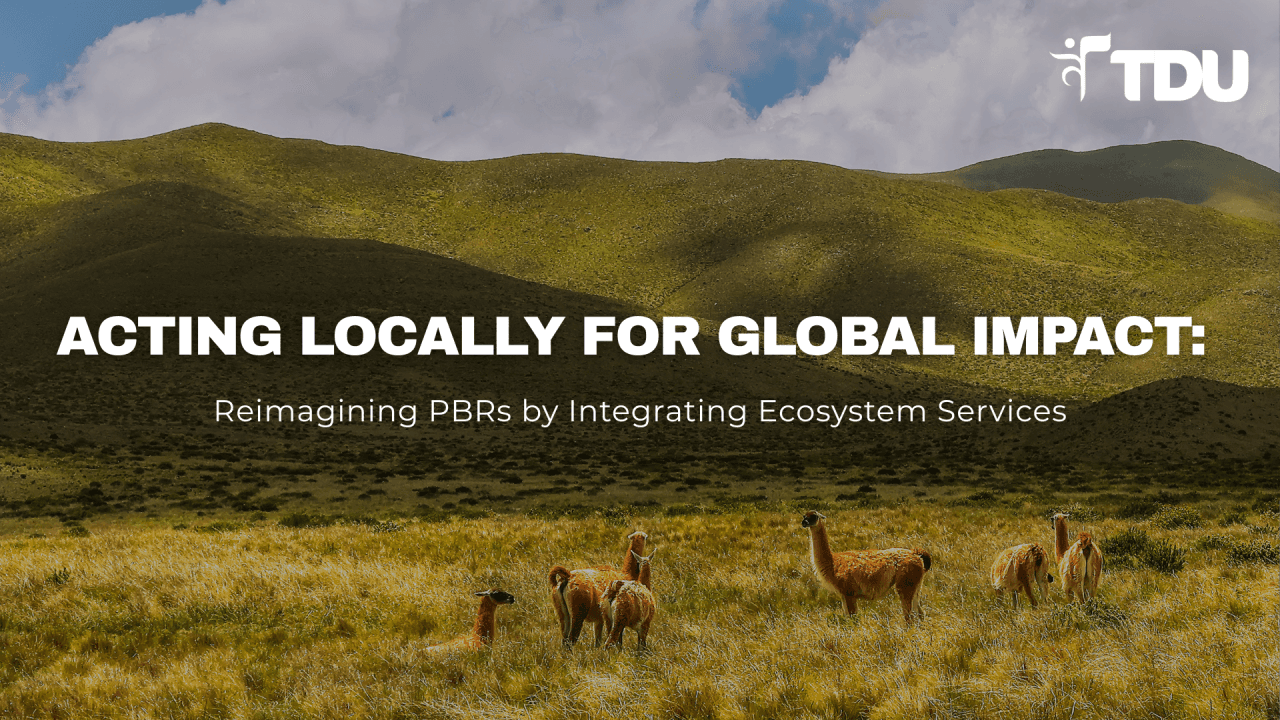
Acting Locally for Global Impact: Reimagining PBRs by Integrating Ecosystem Services
The theme of the International Day for Biological Diversity 2026—“Acting locally for global impact”—is a powerful reminder that global ecological security relies fundamentally on local ecosystems.
Read more
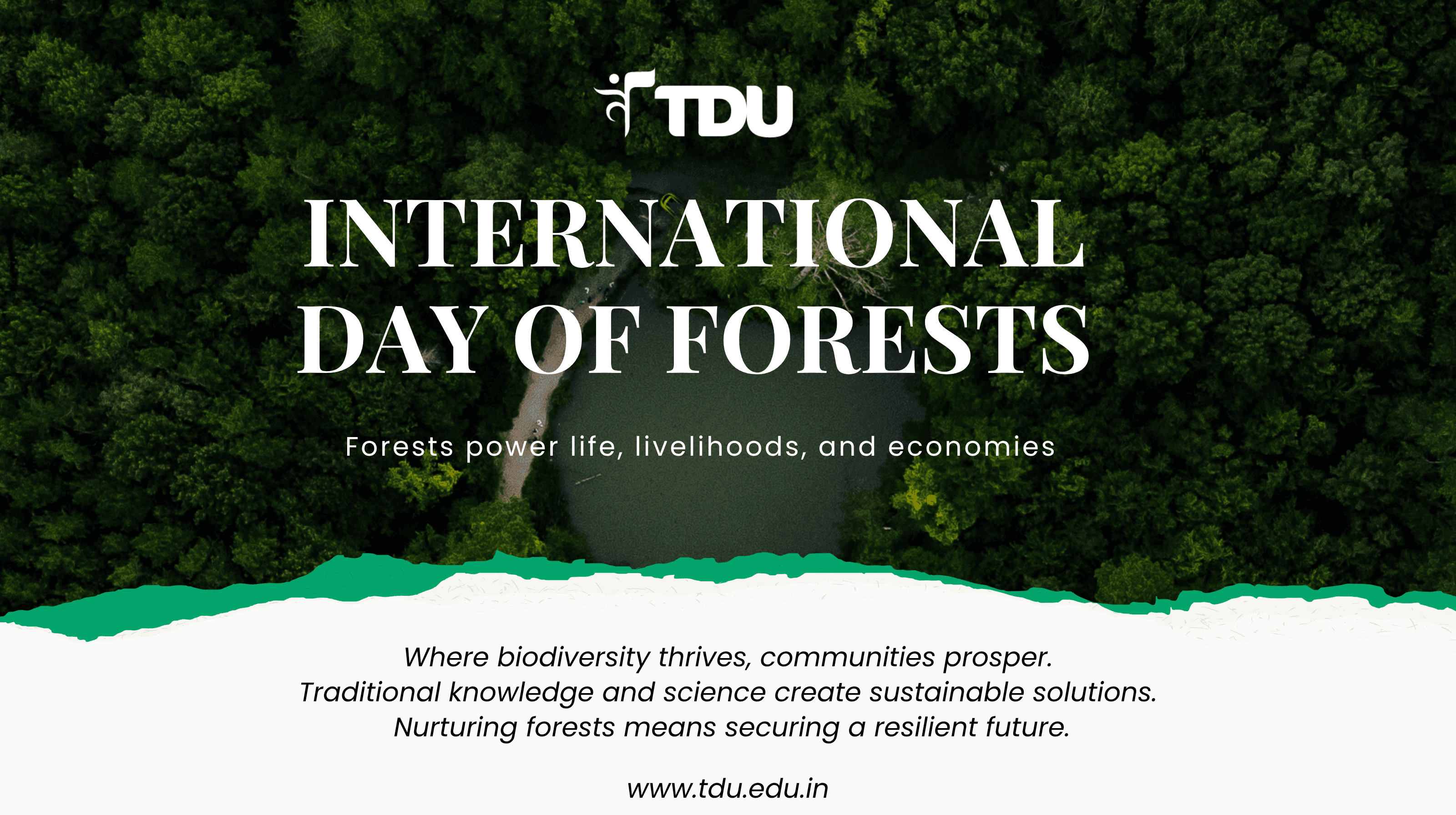
International Day of Forests 2026
Forests are not just natural assets - they are economic lifelines and knowledge systems. Nurturing them is essential for a sustainable and prosperous future for people and planet
Read more
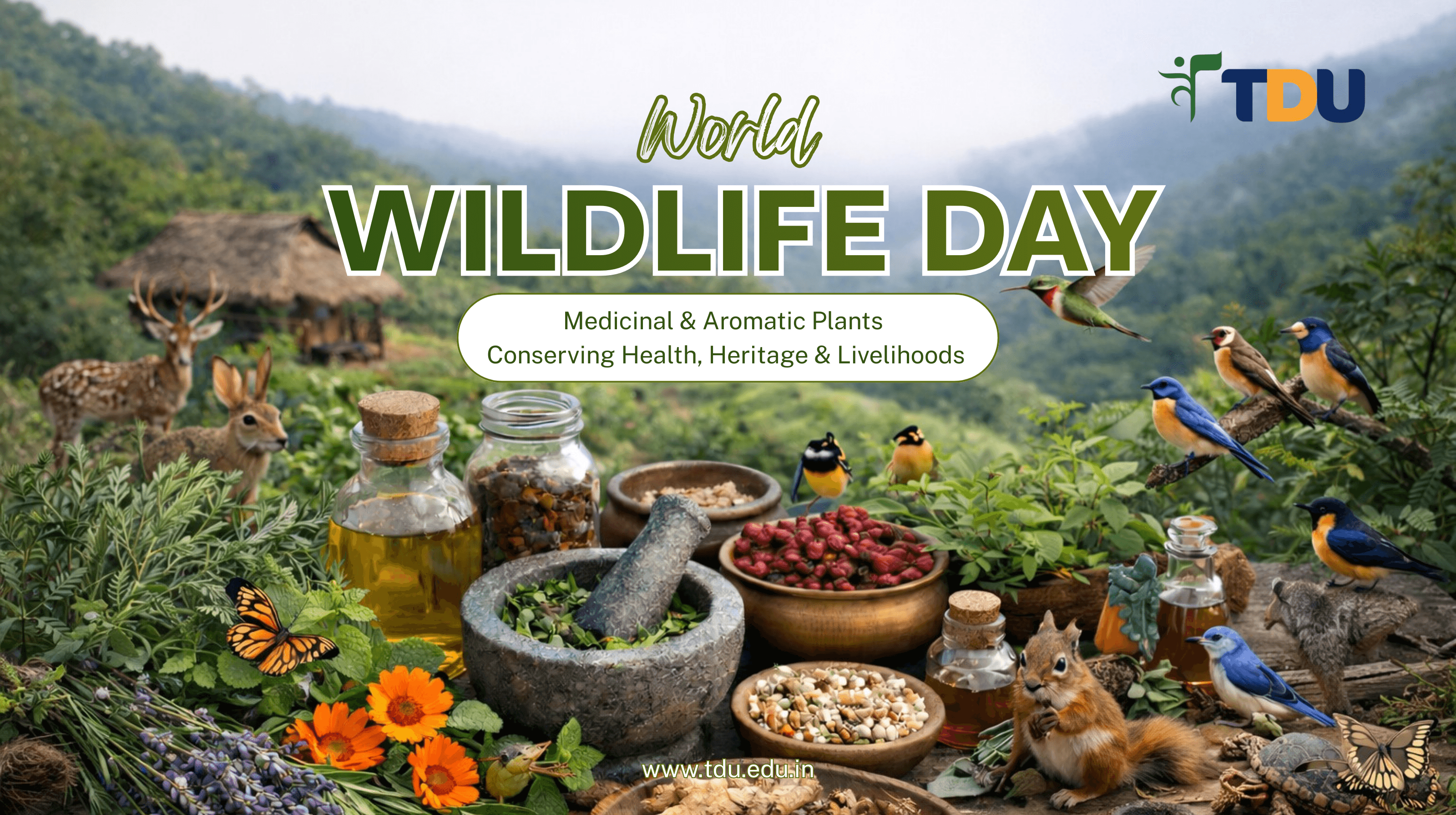
World Wildlife Day 2026
The University of Transdisciplinary Health Sciences and Technology (TDU) Calls for Action to Conserve Medicinal and Aromatic Plants for Health, Heritage and Livelihoods
Read more
Wetlands, Traditional Knowledge and Health : A TDU - FRLHT Perspective
Wetlands are dynamic ecosystems where water meets land, creating rich habitats that support biodiversity, water security, climate resilience and cultural heritage. Observed annually on 2 February, World Wetlands Day commemorates the adoption of the Ramsar Convention (1971) and underscores the essential role wetlands play for both nature and people worldwide.
Read more
International Environmental Education Day (January 26)
On International Environmental Education Day (January 26), we are reminded of a powerful truth: The future of our planet depends on what and how we teach today.
Read more
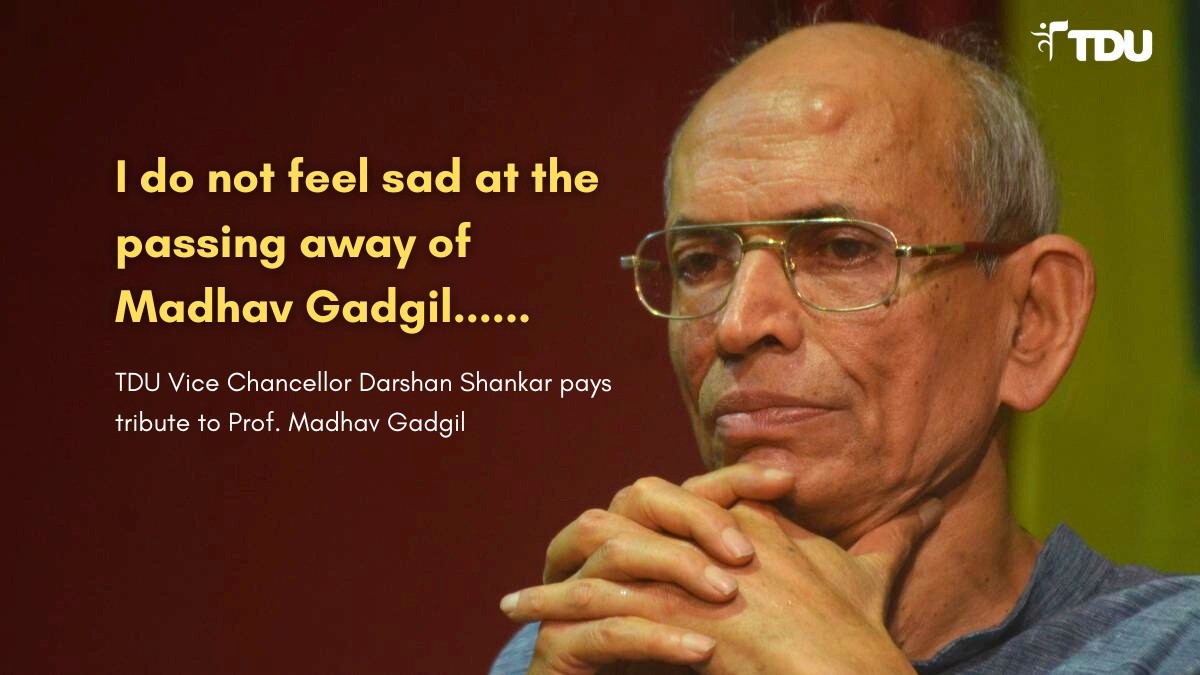
TDU VC Darshan Shankar pays tribute to Prof. Madhav Gadgil
Read more
