

Rethinking Periods: When Did Rest Become Restriction ?
Menstruation is one of the most natural processes of the female human body, yet it remains one of the most misunderstood. Across cultures-especially in India-it has been surrounded by silence, shame, and countless restrictions.
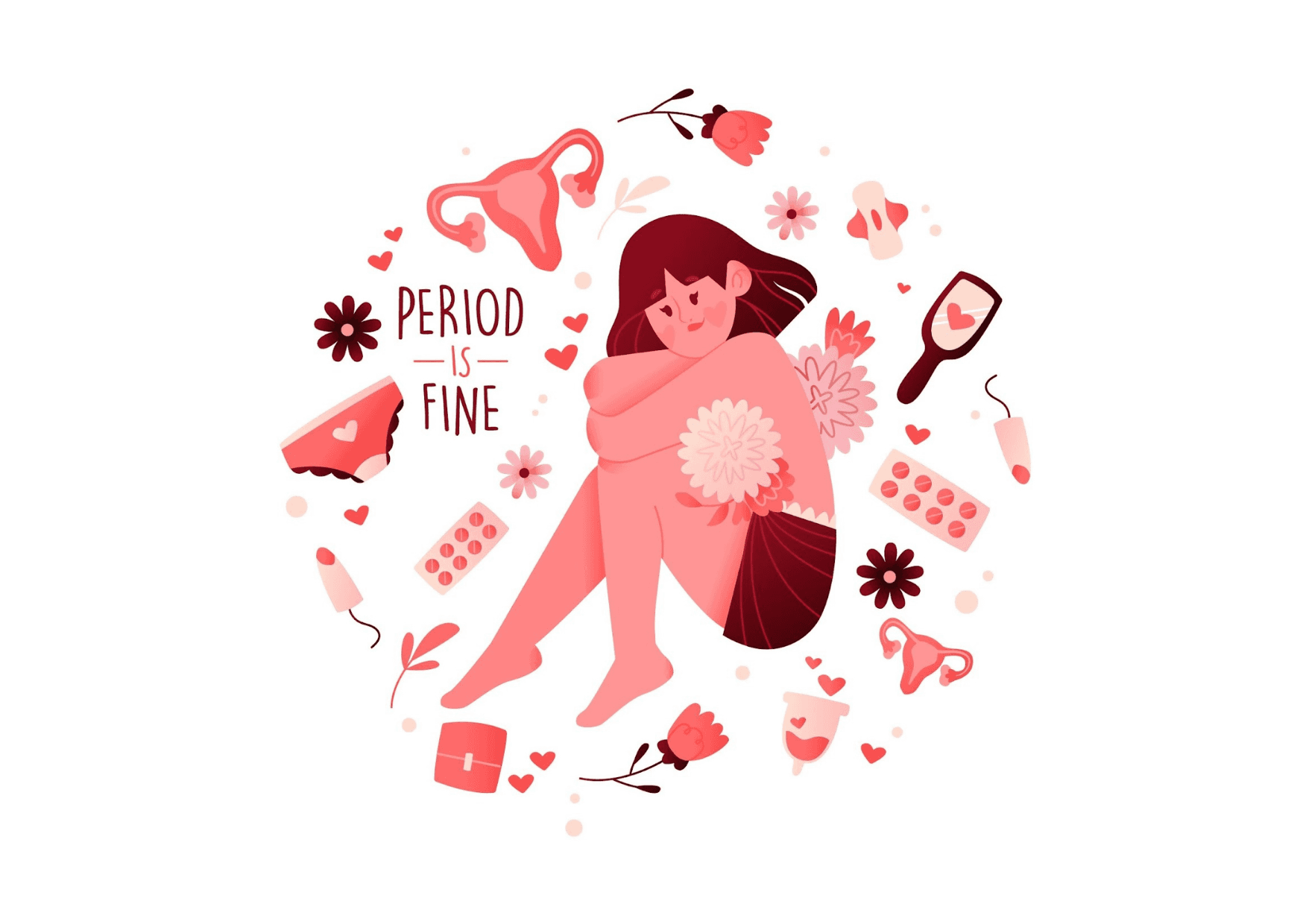
From being barred from temples to being told not to touch pickles, women on their periods often find themselves navigating rules that are rarely questioned. But where did these beliefs come from? Are they remnants of ancient wisdom, or simply tools of control dressed up as tradition?
It might surprise many that menstruation wasn’t always seen as “dirty” or “impure.” In fact, in several ancient cultures-including Hindu traditions-menstruation was once viewed as powerful, even sacred. Some texts describe menstruating women as possessing heightened spiritual energy. In certain tribal communities in India, women were even given time away from daily chores during their periods, seen as a moment of rest and renewal.
But over centuries, this reverence appears to have been replaced by a restriction. What began as a practice of care and seclusion for rest gradually turned into stigma and exclusion. The line between respect and suppression blurred.
Ayurveda, India’s traditional system of medicine, offers a different angle. It refers to menstruating women as Rajaswala and prescribes a regimen called Rajaswala Paricharya. At its heart, this was not about impurity but about protecting women’s health during a physically taxing time. They were advised to follow a set of lifestyle guidelines aimed at protecting their health and conserving energy. Rest was emphasized, with women encouraged to avoid strenuous work and listen to their bodies. Their diets were kept light and simple, steering clear of heavy, sour, salty, or spicy foods that could strain digestion and impact the blood flow. During this time, women also stepped back from household duties, rituals, and intimate relations, a practice that can be interpreted as care and rest for their bodies. Physical activities that put pressure on the pelvic region-such as sexual intercourse or yoga inversions-were discouraged, likely to safeguard reproductive health. Hygiene rules were also prescribed:limited use of cosmetics, and wearing clean, separate cotton clothing. Minimal bathing might seem odd but perhaps need to be seen in the context that in olden times bathing took place in public water bodies with a higher microbial load, not enclosed bathrooms. While some of these practices may seem restrictive today, they were originally framed with concerns about health, sanitation, and recovery in mind.
Rajaswala Paricharya is not unique to Ayurveda. Across the globe, cultures have created similar practices. Indigenous communities in North America, Africa, and the Pacific have a tradition of menstrual seclusion-not to shame, but to honor the phase as sacred or to give women space for reflection and recuperation. In Japan, the idea of menstrual leave was institutionalized, acknowledging the need for downtime during periods. Maori, Inuit, and Zulu cultures all emphasized women's rest and recovery during menstruation. Was this an ancient recognition that the menstrual cycle requires respect and time for healing-something modern societies are slowly rediscovering?
As societies modernized, many practices lost their original context. Without understanding the health or symbolic reasons behind them, communities began labeling menstruation as impure. What may once have been advice for rest or hygiene became rigid superstition, a taboo. In the process, useful practices-like encouraging women to take a break during a physically taxing cycle-were overshadowed by discrimination and suppression.
It is tempting to demand scientific evidence for each traditional practice. But when it comes to menstruation, do we really need data to justify rest? Modern sports medicine already shows that extreme training and calorie restriction can disrupt cycles, sometimes even stopping them altogether-a condition known as amenorrhea. If athletes face such consequences from pushing their bodies too hard, isn’t it reasonable to see value in the age-old advice of slowing down during periods?
Interestingly, studies on women who followed Rajaswala Paricharya-Ayurveda’s three-day menstrual regimen-reported fewer cramps, less weakness, and reduced pain. In one case, a woman’s unusually heavy flow normalized simply by adopting these simple practices. Ancient wisdom, in this light, doesn’t look outdated but rather aligned with what science is confirming today: periodic rest is not indulgence, but a way of respecting the body’s natural rhythm.
These practices weren’t created to oppress, but often intended to support women through a difficult, taxing process. It’s not a demand to scientifically validate everything-but in the absence of rigorous testing, we shouldn’t brand them as “bad,” “taboo,” or “superstitious.” Just because modern science doesn’t immediately explain something doesn’t make it regressive or irrelevant. What we should do is explore alternative lenses of understanding.
So where does that leave us? Menstruation is neither a curse nor a shameful secret. It’s biology essential to human life. The real task is discerning which traditions truly nurture and which restrict. Rest and self-care make sense; forced isolation does not.
To move forward, let us choose curiosity over judgment, open dialogue over hush, and an education that empowers instead of silencing. By re-examining both science and tradition, we can build a culture where menstruation is met not with fear or shame, but with the respect and dignity it deserves.
Author :
Ankita Kabra
LinkedIn I Instagram

Acting Locally for Global Impact: Reimagining PBRs by Integrating Ecosystem Services
The theme of the International Day for Biological Diversity 2026—“Acting locally for global impact”—is a powerful reminder that global ecological security relies fundamentally on local ecosystems.
Read more
International Day of Forests 2026
Forests are not just natural assets - they are economic lifelines and knowledge systems. Nurturing them is essential for a sustainable and prosperous future for people and planet
Read more
World Wildlife Day 2026
The University of Transdisciplinary Health Sciences and Technology (TDU) Calls for Action to Conserve Medicinal and Aromatic Plants for Health, Heritage and Livelihoods
Read more
Wetlands, Traditional Knowledge and Health : A TDU - FRLHT Perspective
Wetlands are dynamic ecosystems where water meets land, creating rich habitats that support biodiversity, water security, climate resilience and cultural heritage. Observed annually on 2 February, World Wetlands Day commemorates the adoption of the Ramsar Convention (1971) and underscores the essential role wetlands play for both nature and people worldwide.
Read more

International Environmental Education Day (January 26)
On International Environmental Education Day (January 26), we are reminded of a powerful truth: The future of our planet depends on what and how we teach today.
Read more

TDU VC Darshan Shankar pays tribute to Prof. Madhav Gadgil
Read more
