

Are Mock Meats Just a Modern Fad ?
“Mock meats” or meat analogues are often dismissed as a bizarre trend by many and countless memes have spawned from the internet’s apparent disdain for mock meats and their consumers.
Yet, as absurd as it may seem to modern meat eaters, the practice of chopping, mashing, and shaping vegetarian ingredients into meat-like forms is one of humanity’s oldest culinary endeavors dating back at least 2,000 years!
And it has largely had to do with Religion.

Image: Ahimsa symbol (Source : Dalea van Voorthuijsen on pinterest)
In India, the concept of ahimsa (non-violence) was first recorded in the Upanishads between 800 and 500 BCE and became central to Hinduism and other religious philosophies. Ahimsa extended not only to humans but also to animals, and in some Jain traditions, even plants and microorganisms. When Buddhism began spreading to Eastern Asia, the newly converted monks and practitioners were faced with a most grueling trial: their strong craving for the now forbidden meat. Fortunately an ingenious solution already existed in the form of tofu (or bean curd) which may have originated in China around 2000 years ago during the Han dynasty.

Photo: Tofu seller, Japan 1890s. Captured by Suzuki Shin'ichi (1855–1912)
The origins of tofu are somewhat murky, with popular legends crediting Prince Liú Ān (179–122 BC) or the vegetarian Taoist monks living under his patronage. However, it was Buddhist monks and missionaries who played a key role in spreading tofu across Eastern Asia. By the 6th century, seitan, made from wheat gluten, had also become a mainstay in Buddhist cuisine. Today, both seitan and tofu remain widely popular among vegans and vegetarians.
Meanwhile in historical India, although the vegetarians have never truly cared for meat or meat alternatives, meat consumers however faced periods of abstinence, particularly during Śrāvaṇa, a sacred month of the Hindu calendar when consumption of meat is forbidden. They improvised with pulses, gourds, raw bananas, mushrooms, yams, and raw jackfruit which became versatile bases for mock meat dishes replicating the texture of chicken, eggs and even mutton. And thus recipes like kathal ki curry (raw jackfruit curry), besan chila (a chickpea flour pancake) and kele ki macchi (banana-based “fish”) were born.
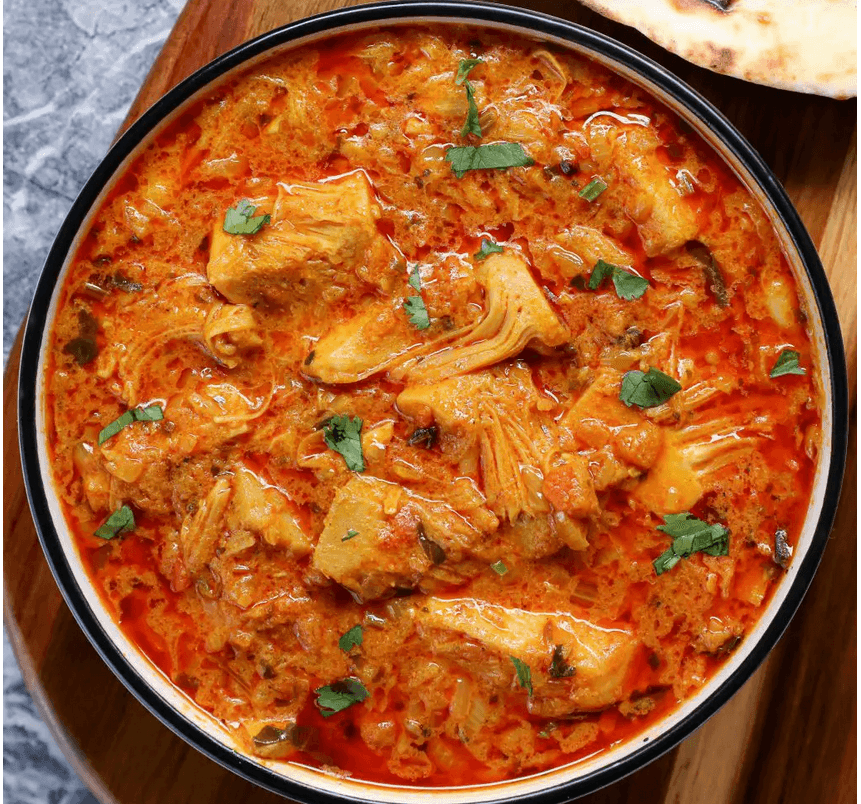
Image : Raw Jackfruit curry. Credit : Hebbars kitchen
Then the Mughals invaded and eventually became trend setters. A culinary revolution was underway. Mughlai dishes like biriyani, kebabs and nargisi kofta became the talk of the town and even the staunch vegetarians grew curious. In response, Mughal chefs crafted plant-based versions like lauki kofta and introduced other “dhokha” or “cheat” dishes, where meat was cleverly replaced with plant-based substitutes to entertain the vegetarian guests.
Other civilizations also partook on the tradition of fooling their taste-buds with meat analogues. During Lent, when meat was forbidden, practitioners turned to nuts, legumes, and mushrooms as substitutes.
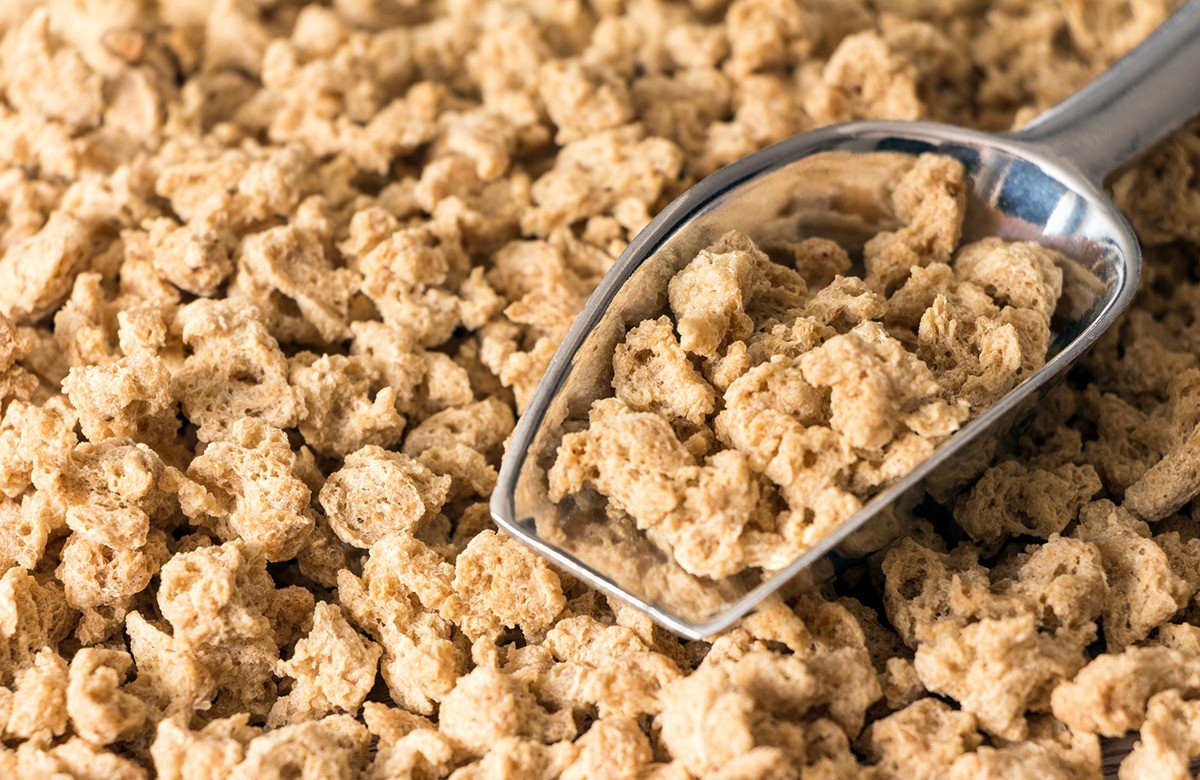
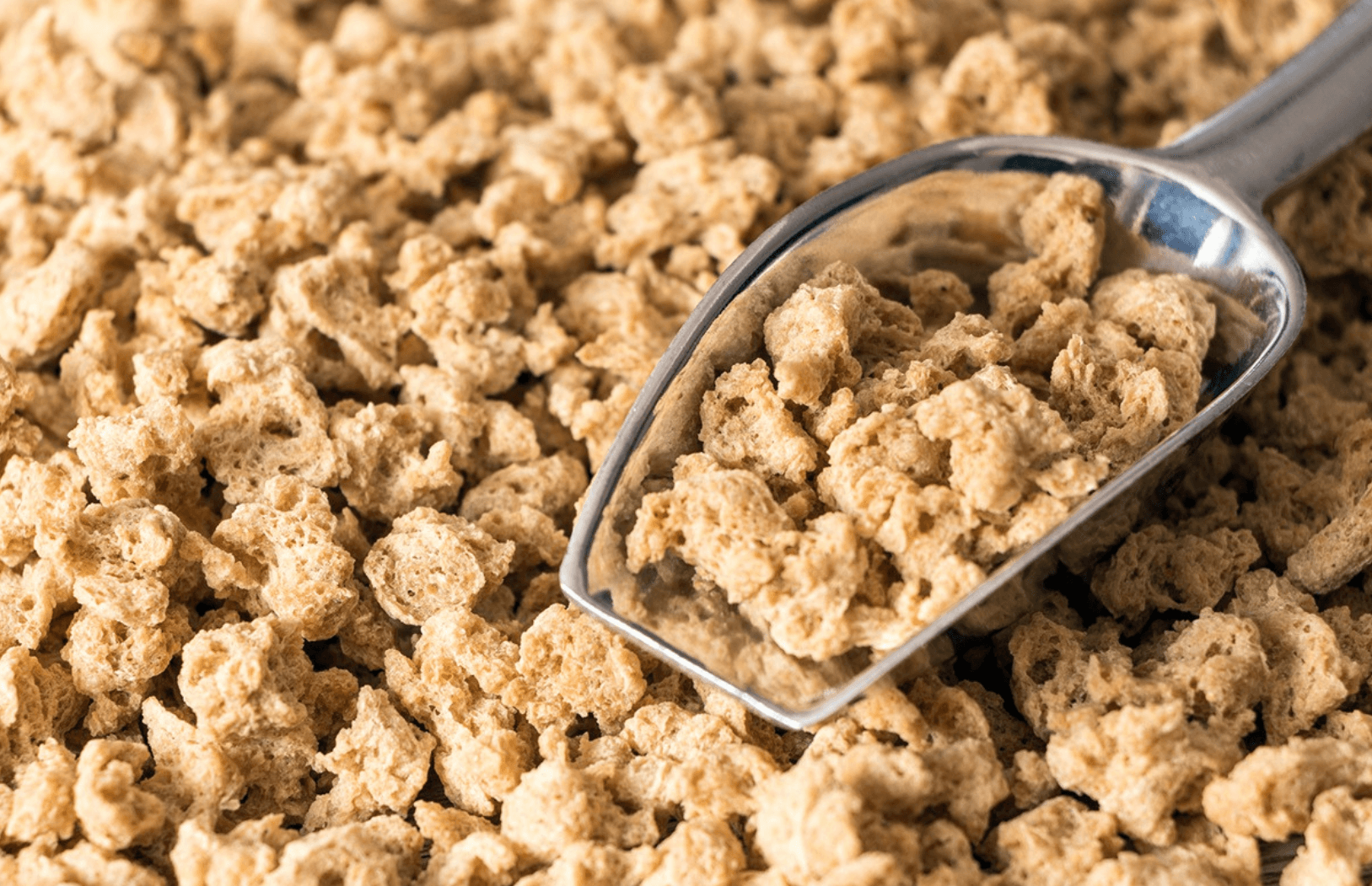
Image : Textured Vegetarian Protein (TVP) made from defatted soy flour. Credit : Anderson International
Beyond religion, economics shaped the rise of meat analogues. For much of history, meat was scarce and expensive, forcing communities to find cheaper, plant-based alternatives. And so in the 1960s, food technologists from Archer Daniels Midland(ADM) developed the first Textured Vegetarian Proteins (TVP) or Soy chunks as we call them today, as a means of providing an affordable, 100% vegan source of proteins by extruding soy protein isolates.
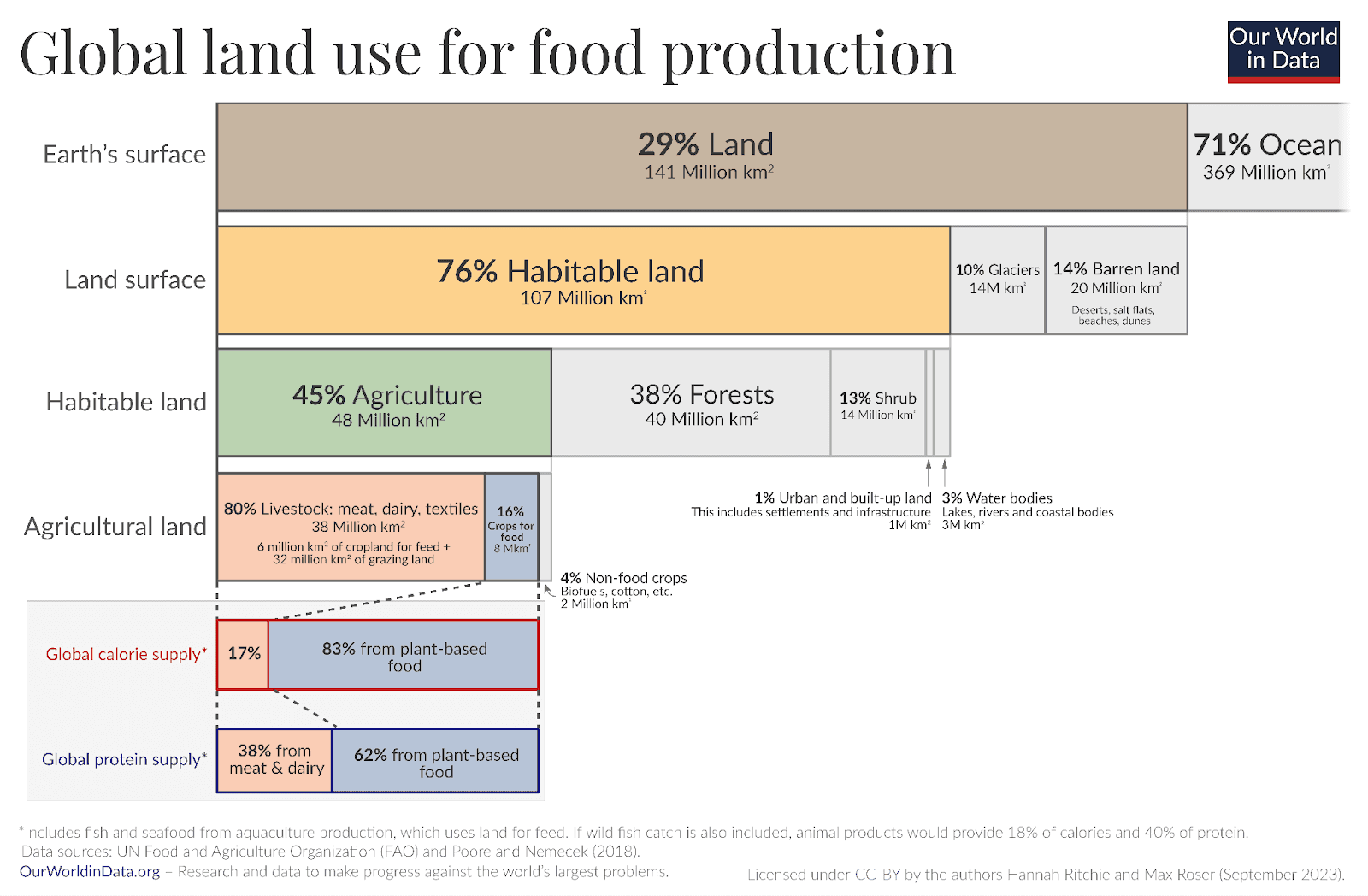
Image : Global land use for food production: animal based vs plant based foods. Credit : ourworldindata.org
In the decades leading up to the present date, the growing vegan movement fueled by animal welfare and climate activism further increased the drive to push plant based meat alternatives to the market. With advances in technology we have developed newer and funkier ways of making industrialized mock meats that taste very close but require far less resources, emit less GHGs and provide a similar nutritional profile as meat. Apart from products by Impossible Foods and Beyond Meat, other companies are exploring novel methods like precision fermentation and tissue culturing to completely end our reliance on the meat industry.
Though centuries have passed and the motivations may have evolved, one thing remains constant: humanity’s drive to replicate the experience of eating meat without eating meat itself. Whether born of necessity, faith, or curiosity, mock meats are not just a passing fad; they are a culinary tradition that continues to evolve with us.
Author :
Rayyan Ali, MSc by Research in Food Science, Technology and Innovation
LinkedIn I Instagram
Acting Locally for Global Impact: Reimagining PBRs by Integrating Ecosystem Services
The theme of the International Day for Biological Diversity 2026—“Acting locally for global impact”—is a powerful reminder that global ecological security relies fundamentally on local ecosystems.
Read more
International Day of Forests 2026
Forests are not just natural assets - they are economic lifelines and knowledge systems. Nurturing them is essential for a sustainable and prosperous future for people and planet
Read more
World Wildlife Day 2026
The University of Transdisciplinary Health Sciences and Technology (TDU) Calls for Action to Conserve Medicinal and Aromatic Plants for Health, Heritage and Livelihoods
Read more
Wetlands, Traditional Knowledge and Health : A TDU - FRLHT Perspective
Wetlands are dynamic ecosystems where water meets land, creating rich habitats that support biodiversity, water security, climate resilience and cultural heritage. Observed annually on 2 February, World Wetlands Day commemorates the adoption of the Ramsar Convention (1971) and underscores the essential role wetlands play for both nature and people worldwide.
Read more
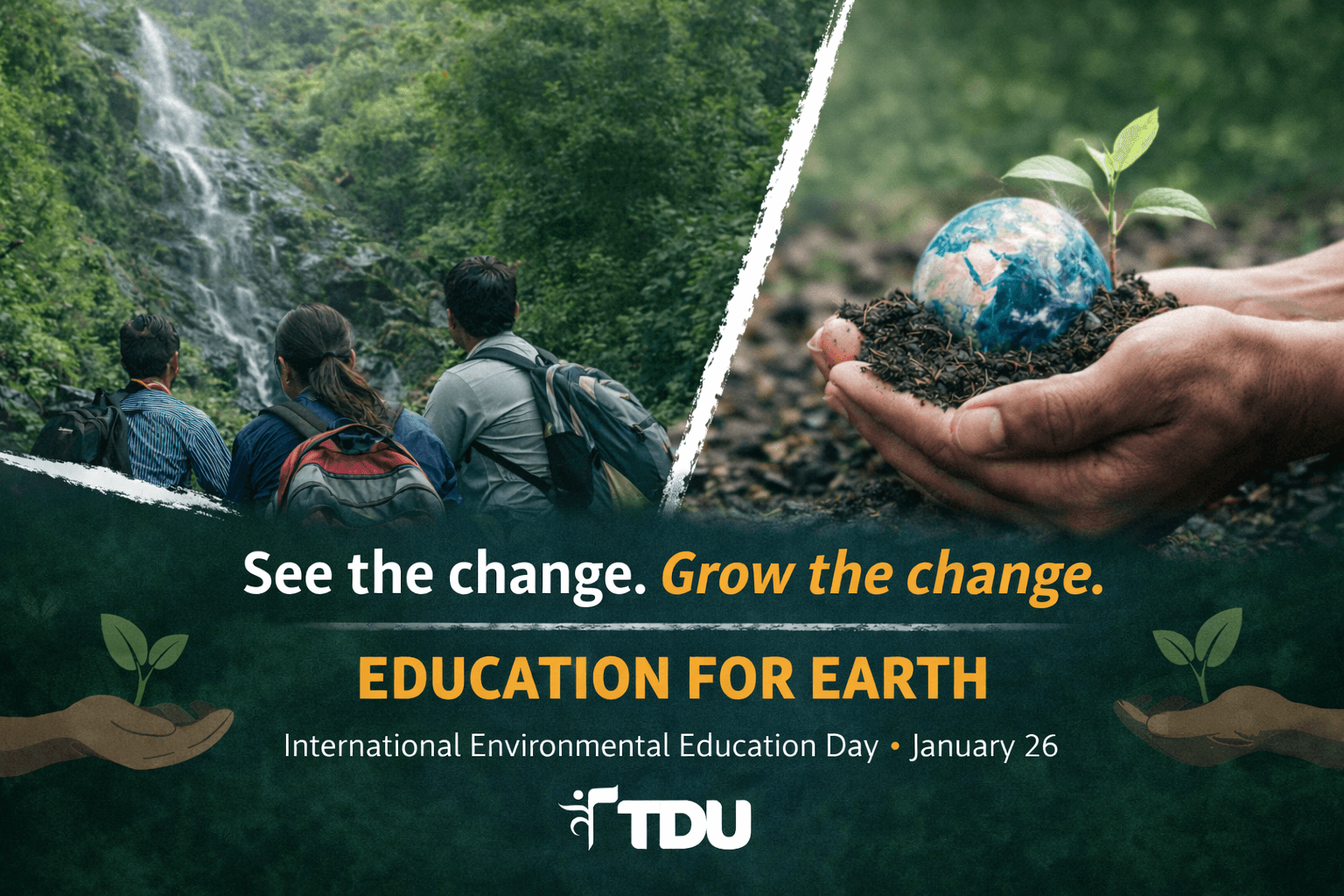
International Environmental Education Day (January 26)
On International Environmental Education Day (January 26), we are reminded of a powerful truth: The future of our planet depends on what and how we teach today.
Read more
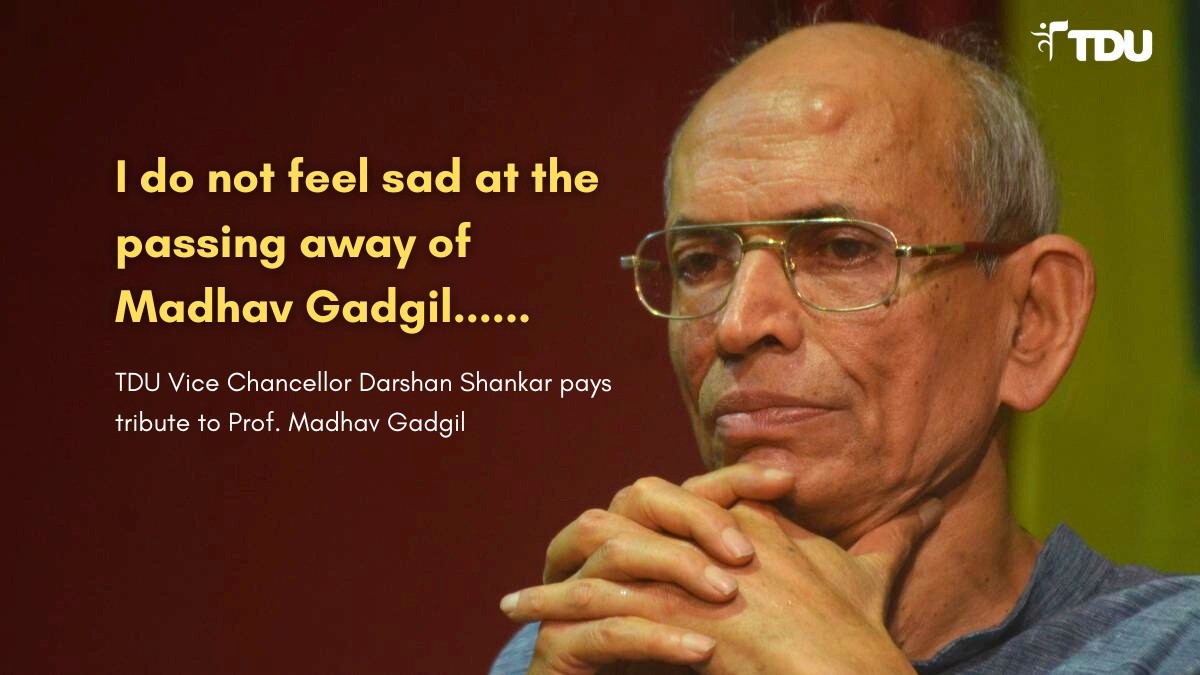
TDU VC Darshan Shankar pays tribute to Prof. Madhav Gadgil
Read more
