

TDU VC Darshan Shankar pays tribute to Prof. Madhav Gadgil
Photo Credit: Thulasi Kakkat
Madhav Gadgil
I do not feel sad at the passing away of Madhav Gadgil. He led a full life honourably with conviction and dignity and used his intellectual resources for societal benefit.
These are a few lines about my friendship with Madhav Gadgil, at both interpersonal and institutional levels.
I first met Madhav in the 1980’s long before I came to Bangalore. This is when he was a full Professor in Indian Institute of Science. He took time off to attend a workshop of social activists in a tribal area, at the invitation of an NGO, with which I was closely associated. The “Professor” was simple enough to travel by bus, walk over a mile to reach the venue of the workshop in a village and gracious enough to accept modest hospitality provided of food and stay in a simple hut with cow dung floor. Of course, his contribution to the workshop was enlightening.
After I shifted to Bangalore in the 90’s I met him frequently and worked closely with him on several community-oriented programs, particularly related to documentation of community knowledge of biodiversity, programs for conservation of biodiversity, school education about local landscapes and so on, until he retired. An important program we worked most closely on was the design of the “Peoples Biodiversity Registers” (PBR). The pilot testing in 500 community locations of this people’s knowledge instrument, initially focused on medicinal plant resources, was in fact done by FRLHT. Subsequently Prof Gadgil expanded the scope of PBR, and strategically took the PBR program up to the national level by getting it endorsed by the National Biodiversity Authority as a legal instrument under the Biodiversity Act 2002.
Several colleagues in FRLHT and TDU were also students of Madhav Gadgil. Madhav’s strong thoughts, strategies, priorities for conserving nature alongside unstinted support for the rights of indigenous communities, will influence generations to come.
Prof Darshan Shankar, FNASc
Vice Chancellor
The University of Trans-Disciplinary Health Sciences and Technology
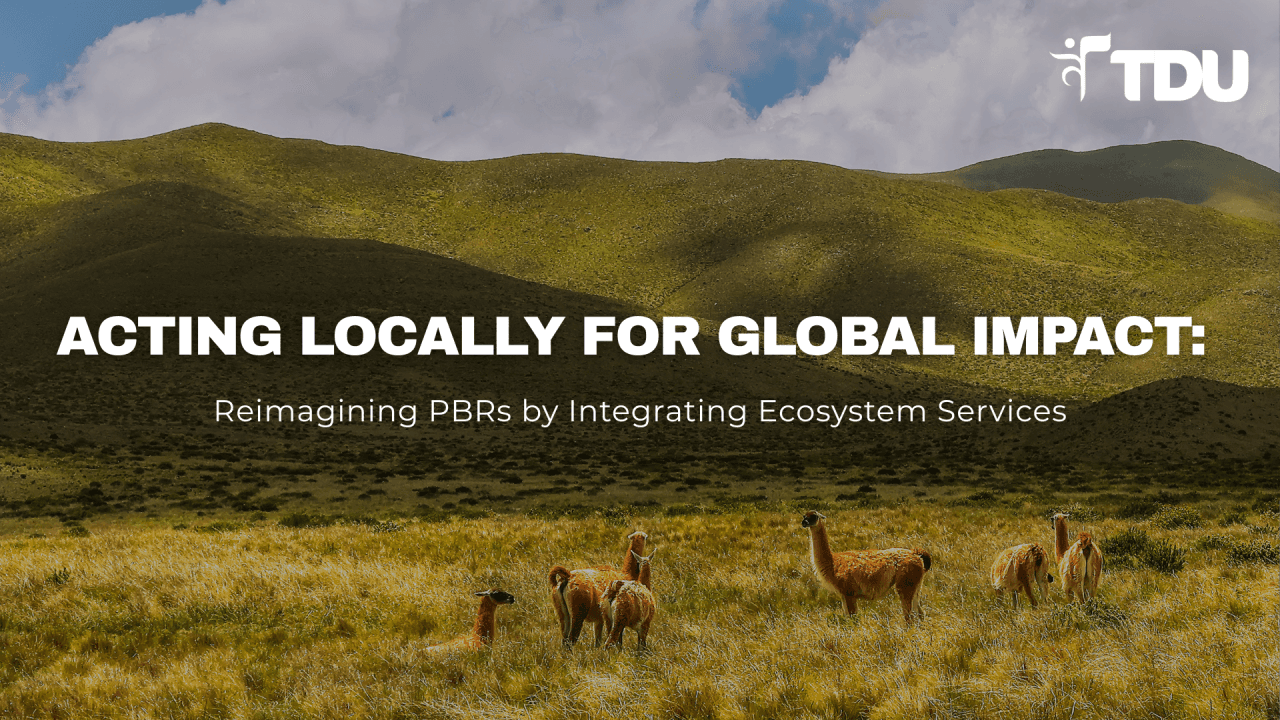
Acting Locally for Global Impact: Reimagining PBRs by Integrating Ecosystem Services
The theme of the International Day for Biological Diversity 2026—“Acting locally for global impact”—is a powerful reminder that global ecological security relies fundamentally on local ecosystems.
Read more
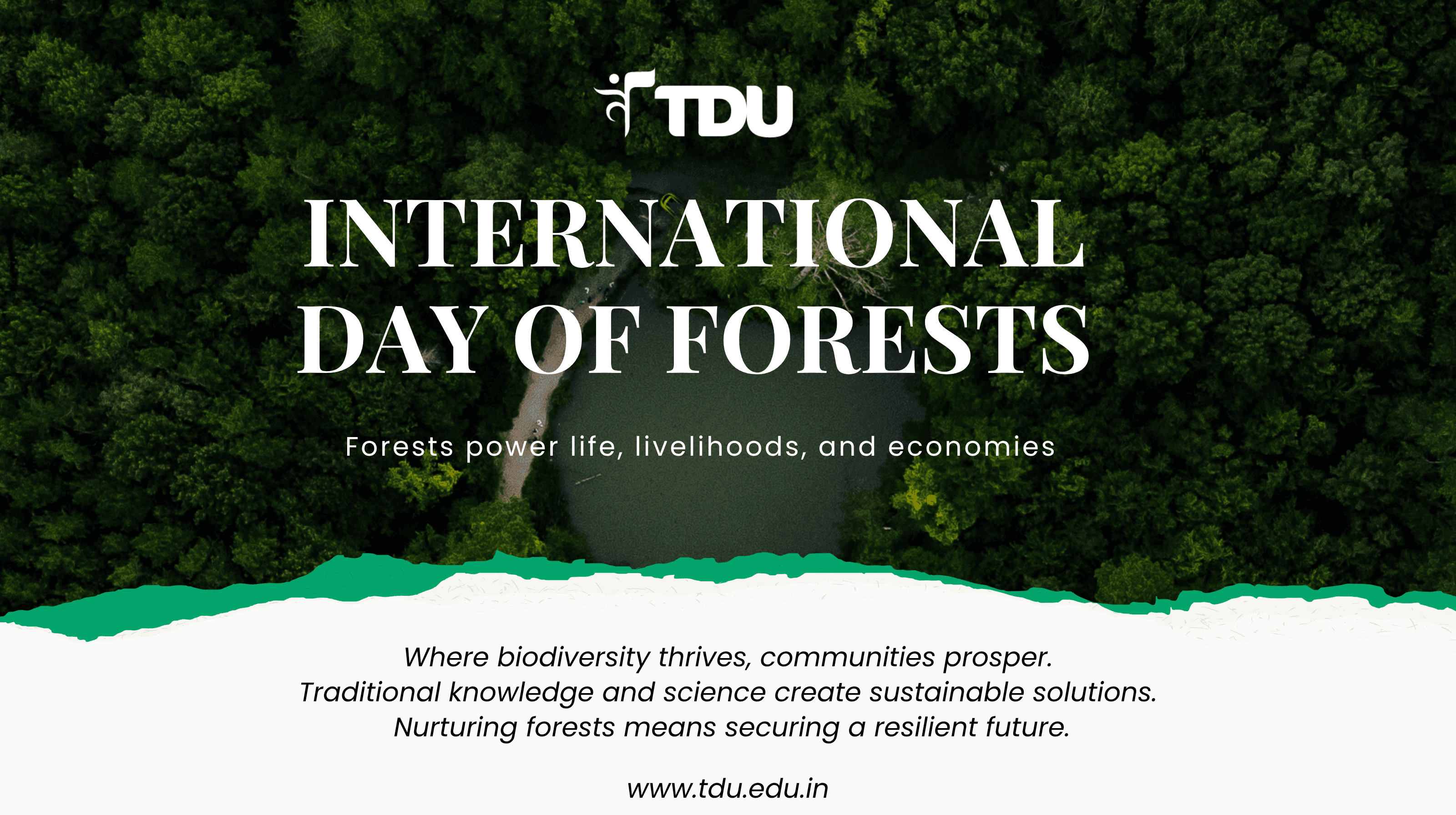
International Day of Forests 2026
Forests are not just natural assets - they are economic lifelines and knowledge systems. Nurturing them is essential for a sustainable and prosperous future for people and planet
Read more
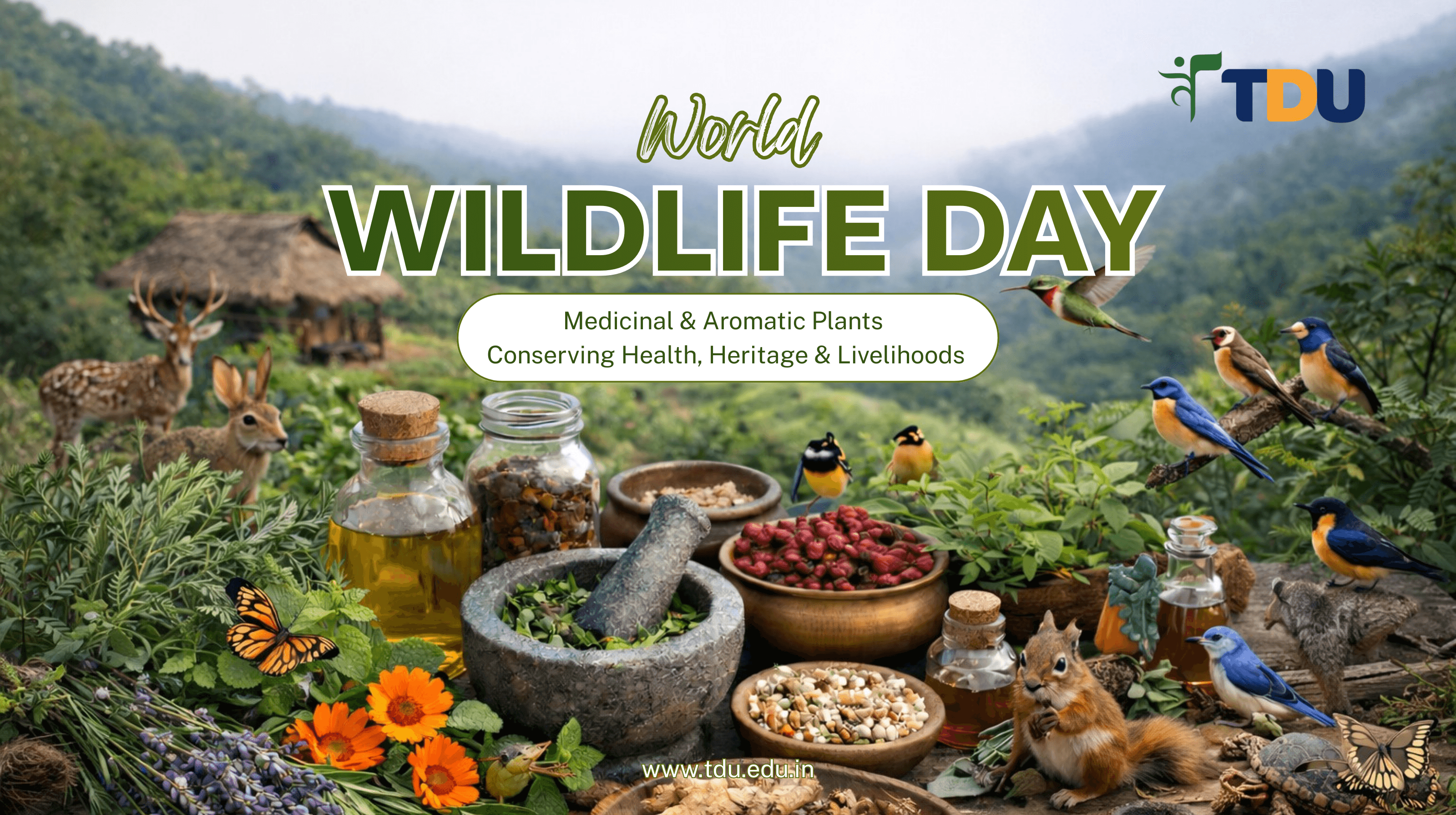
World Wildlife Day 2026
The University of Transdisciplinary Health Sciences and Technology (TDU) Calls for Action to Conserve Medicinal and Aromatic Plants for Health, Heritage and Livelihoods
Read more
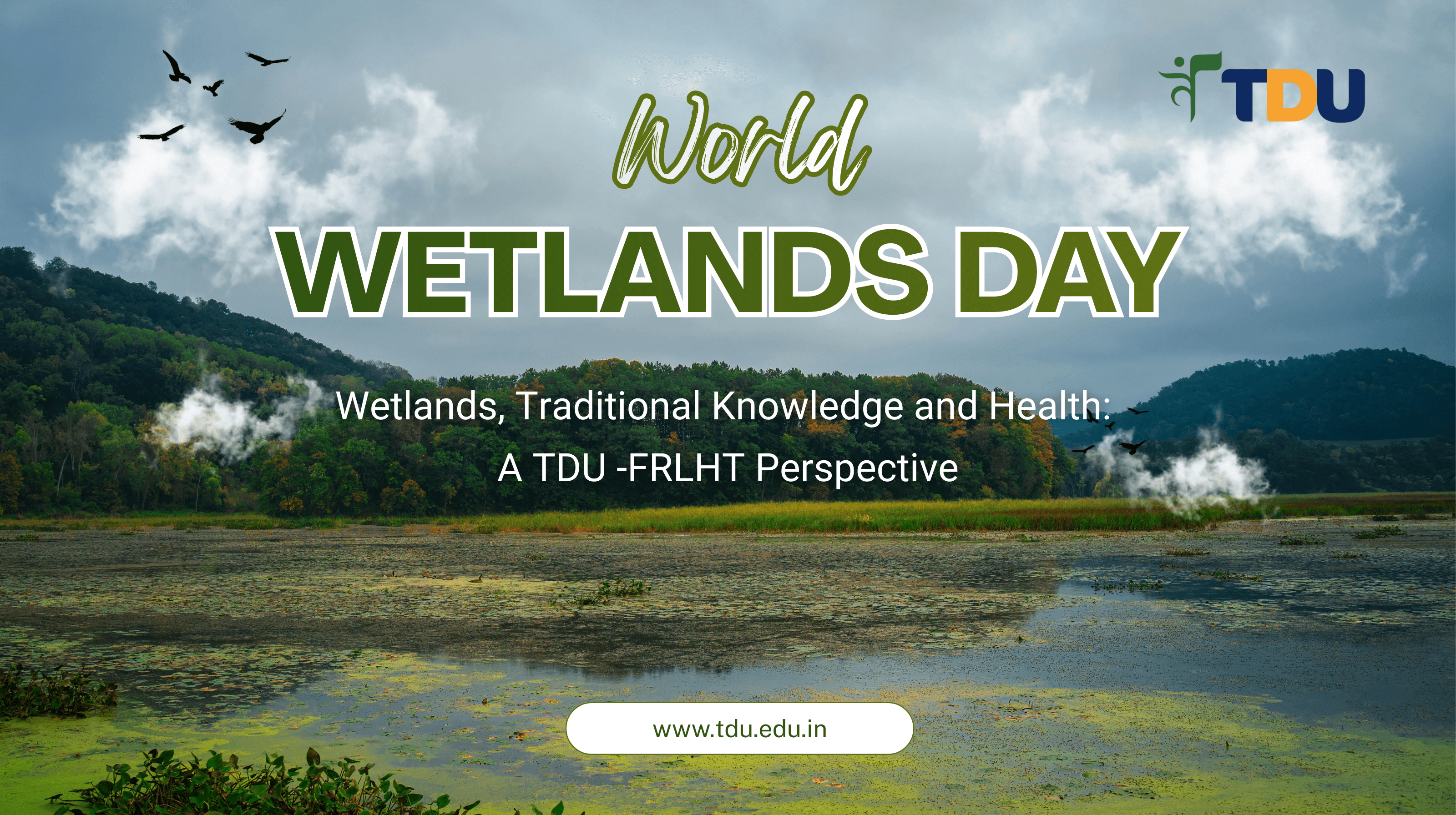
Wetlands, Traditional Knowledge and Health : A TDU - FRLHT Perspective
Wetlands are dynamic ecosystems where water meets land, creating rich habitats that support biodiversity, water security, climate resilience and cultural heritage. Observed annually on 2 February, World Wetlands Day commemorates the adoption of the Ramsar Convention (1971) and underscores the essential role wetlands play for both nature and people worldwide.
Read more
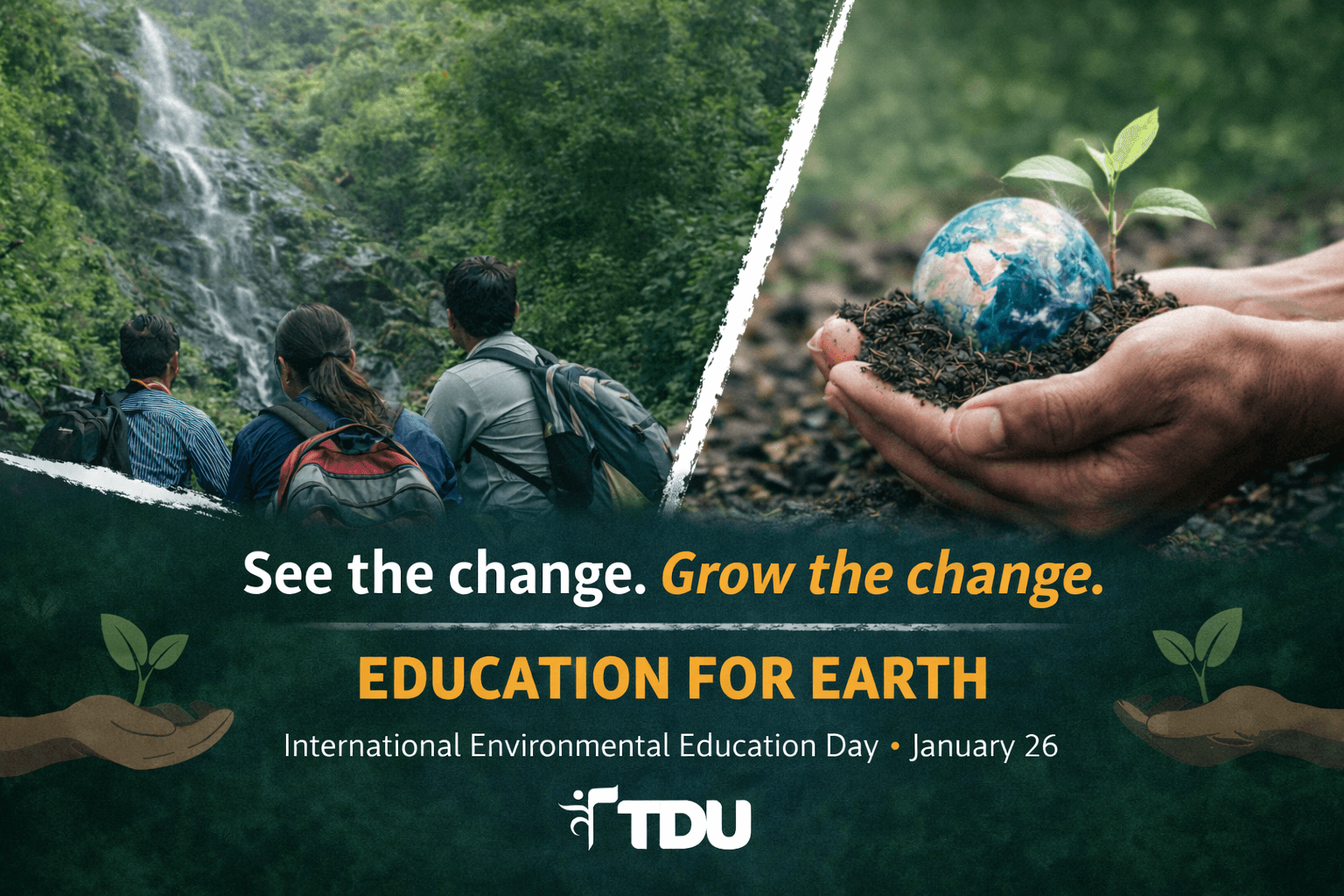
International Environmental Education Day (January 26)
On International Environmental Education Day (January 26), we are reminded of a powerful truth: The future of our planet depends on what and how we teach today.
Read more
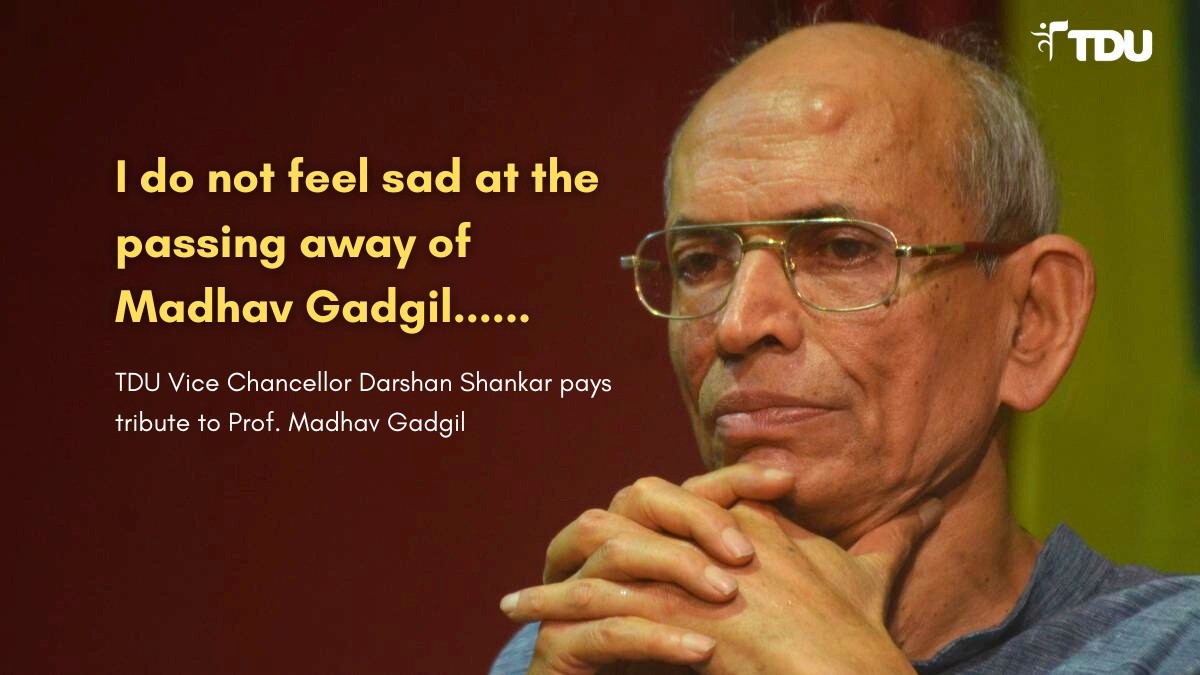
TDU VC Darshan Shankar pays tribute to Prof. Madhav Gadgil
Read more
