

When a Baby Cries, the Body Speaks – Learning to Understand Your Child’s Silent Language
Children are often called a gift from God. When a baby is born, it feels like receiving a blessing

The very first thing a newborn does is cry—and that cry isn’t just noise, it’s the very first sign of life. That first cry is also essential because it opens up the lungs and helps the baby breathe on its own.
Now, in those early months, babies don’t have words. So crying is their main way of telling us something. It might mean hunger, discomfort, tiredness, or pain. But here’s the interesting part—every cry actually has meaning, even though it may not directly show a child’s personality. Sometimes, the crying even changes in intensity over time. Modern science talks about something called “PURPLE crying,” which is just a phase where babies cry more than usual in the first few months.
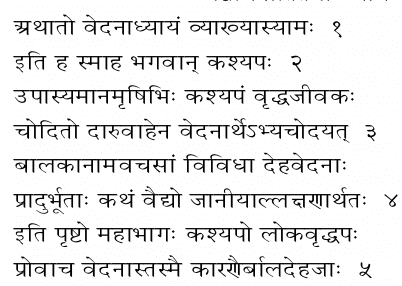
But this isn’t a new discovery. Long ago, the ancient Ayurvedic text Kashyap Samhita—specifically in Sutra Sthana, Chapter 25, known as Vedana Adhyaya—spoke about this very thing. The text explains that a baby’s cry, along with their face and body movements, can actually tell us about their health.
It isn’t magic. It’s just a deep observation. Kashyap Rishi, a great Ayurvedic teacher, noticed that when a baby feels unwell or uncomfortable, their cry changes. Not just the sound, but also how strong or weak it is, how long it lasts, and even how the baby moves during the cry. By simply watching and listening carefully, one can understand what the child needs—without a single word being spoken.
So why does this matter today? Well, modern doctors also agree that cries give us clues. In fact, there are even machines that analyze a baby’s cry. But really, parents don’t need a machine. Careful eyes and attentive ears are enough. The real questions you should ask when your baby cries are: Is it sudden or slow? Is the baby restless or still? Are they moving their legs or arms? Does their face look red, sweaty, or pale? These details give strong hints about whether the baby is hungry, uncomfortable, or even needs medical help.
Ayurveda takes this further by looking at health through the lens of the three doshas—Vata, Pitta, and Kapha. If Vata is disturbed, the baby might cry suddenly and move jerkily. If Pitta is high, the baby might have a warm body, a flushed face, and intense crying. If Kapha is imbalanced, the baby may seem quiet, sluggish, or congested. An experienced Ayurvedic doctor could see these patterns and suggest simple remedies—maybe a warm oil massage, gentle herbs, or adjusting feeding routines.
For parents, the guidance is quite practical:
Stay calm, because babies feel your stress.
Notice patterns—when does the cry usually happen? After feeding? At night? During bowel movements?
Rule out simple causes like wet diapers, tight clothing, or room temperature.
And, of course, know when to seek help. Continuous crying with fever or breathing trouble is not to be ignored—see a doctor immediately. Ayurveda values observation, but never suggests delaying necessary treatment.
So, what’s the bigger lesson here? Vedana Adhyaya reminds us that a baby’s body has its own language. Thousands of years ago, parents and doctors didn’t have machines or monitors they relied on observation.
Today, we have modern tools, but the wisdom is the same: slow down, pay attention, and trust what you see and hear.
In the end, a baby doesn’t use words, but they do speak. Their cries, movements, and expressions are messages of love, need, and health. And if we take time to listen, we can truly understand them.
Author :
Arjun Raj
Acting Locally for Global Impact: Reimagining PBRs by Integrating Ecosystem Services
The theme of the International Day for Biological Diversity 2026—“Acting locally for global impact”—is a powerful reminder that global ecological security relies fundamentally on local ecosystems.
Read more
International Day of Forests 2026
Forests are not just natural assets - they are economic lifelines and knowledge systems. Nurturing them is essential for a sustainable and prosperous future for people and planet
Read more
World Wildlife Day 2026
The University of Transdisciplinary Health Sciences and Technology (TDU) Calls for Action to Conserve Medicinal and Aromatic Plants for Health, Heritage and Livelihoods
Read more
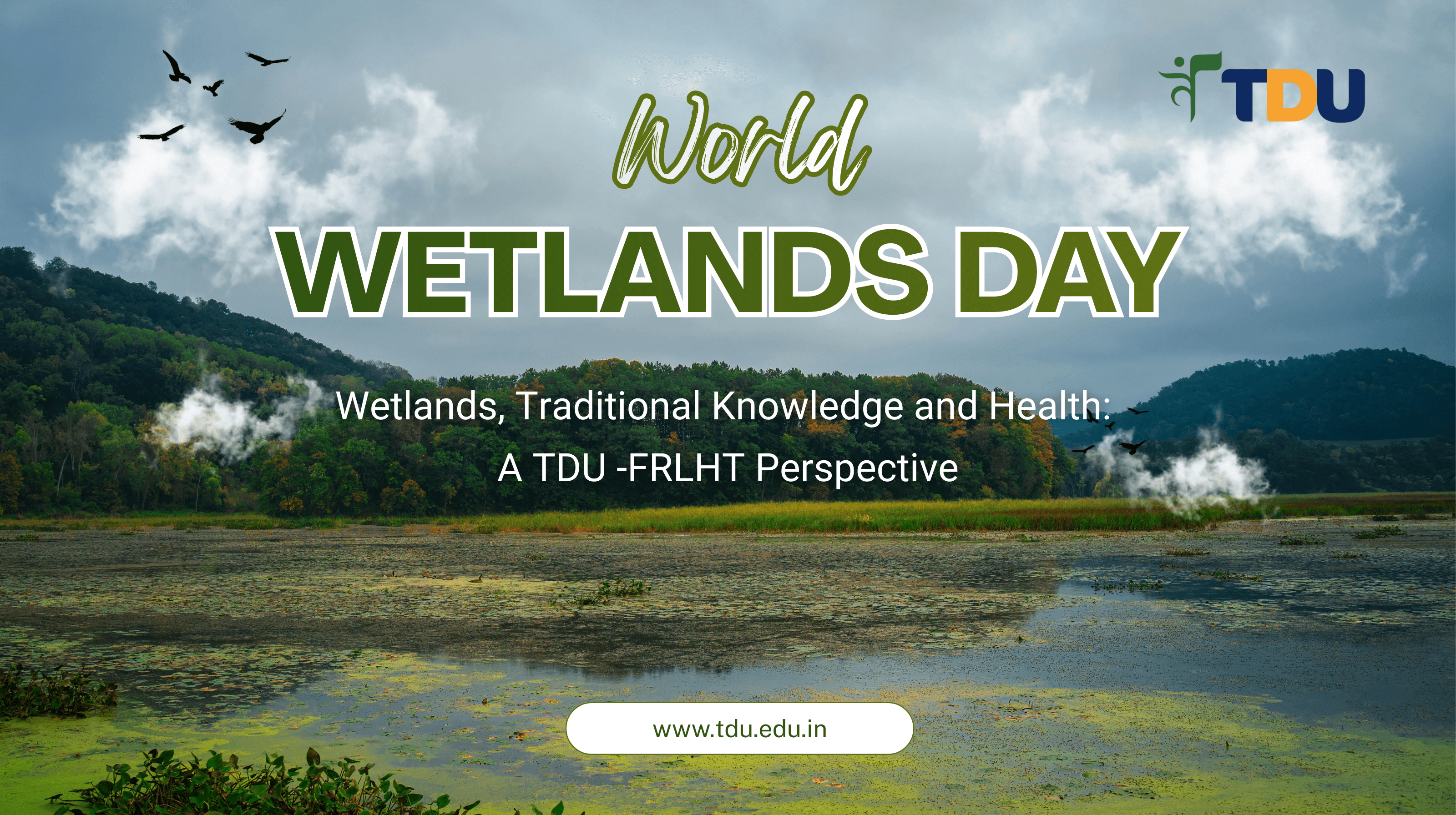
Wetlands, Traditional Knowledge and Health : A TDU - FRLHT Perspective
Wetlands are dynamic ecosystems where water meets land, creating rich habitats that support biodiversity, water security, climate resilience and cultural heritage. Observed annually on 2 February, World Wetlands Day commemorates the adoption of the Ramsar Convention (1971) and underscores the essential role wetlands play for both nature and people worldwide.
Read more

International Environmental Education Day (January 26)
On International Environmental Education Day (January 26), we are reminded of a powerful truth: The future of our planet depends on what and how we teach today.
Read more
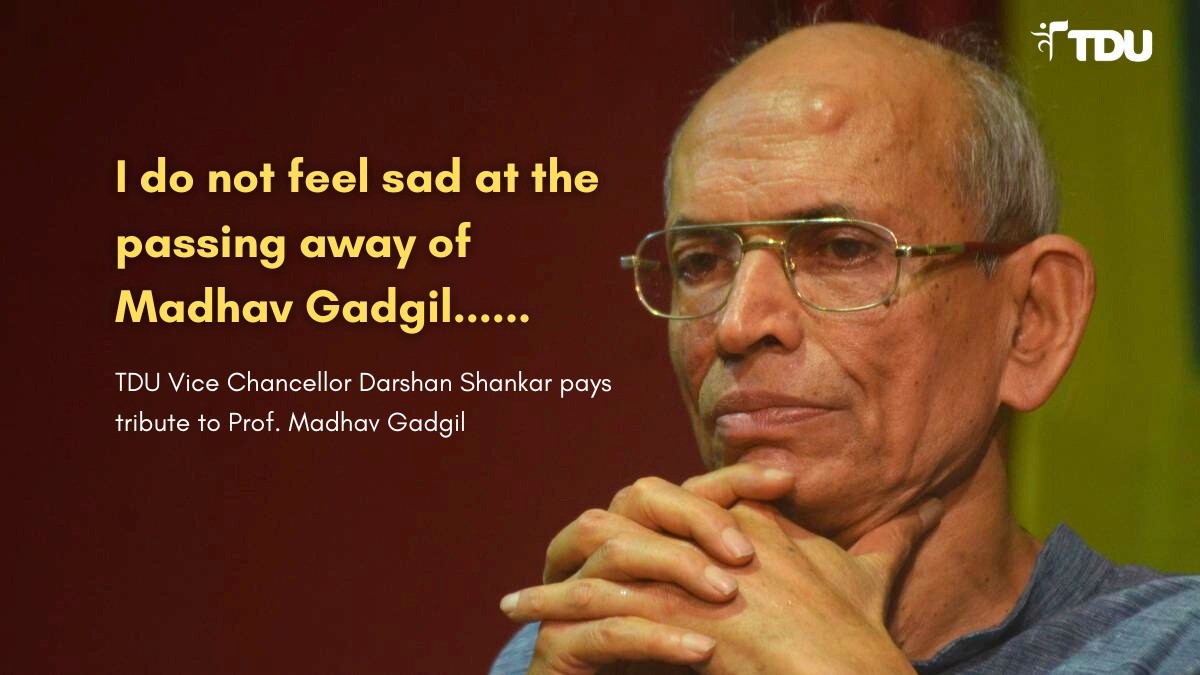
TDU VC Darshan Shankar pays tribute to Prof. Madhav Gadgil
Read more
