

What is kshara? A prelude for Kshara preparation
What is Kshara?
Kshara is a plant and mineral preparation that serves both as a quality, reflecting the action of the drug, and as a medicine. It allows for the removal of damaged biological tissue and can be consumed (panniyakshara) or applied externally (pratisaraneeyakshara).
Classical Uses
Classically, kshara is used as a para-surgical method to treat haemorrhoids, ano-fistula, fissure-in-ano, and warts. Internally, it is used for conditions like ascites, internal growth (gulma), adenoids, and tonsillitis.
Historical Context
Of the three brihat trayees, kshara preparation is detailed in Vagabhata’s Astang Hridaya and Sushruta Samhita. Both texts provide a general outline of the procedure with classical measurements for some steps. Importantly, they caution that a wrongly prepared kshara or incorrect application can be more dangerous than death by fire.
Practical Insights
In our Biochemistry class, we measured the pH of yavak kshara and found it to be ~10, which is typical for an alkaline preparation. Interestingly, this is also the pH range of a 5% baking soda solution.
Preparation Process
We will now discuss the aspects of pratisaraneeyakshara preparation as demonstrated by Dr. Ravishankar Pervaje and Dr. Ramesh Bhat. The process is divided into five steps:
1. **About the Plants Used for Kshara** - Dr. Ameen
2. **Ash Preparation** - Dr. Samhita
3. **Boiling and Filtration** - Dr. Ankita
4. **Limestone Addition** - Dr. Ranjini
5. **Enhancing the Potency of Preparation** - Dr. Shamaa
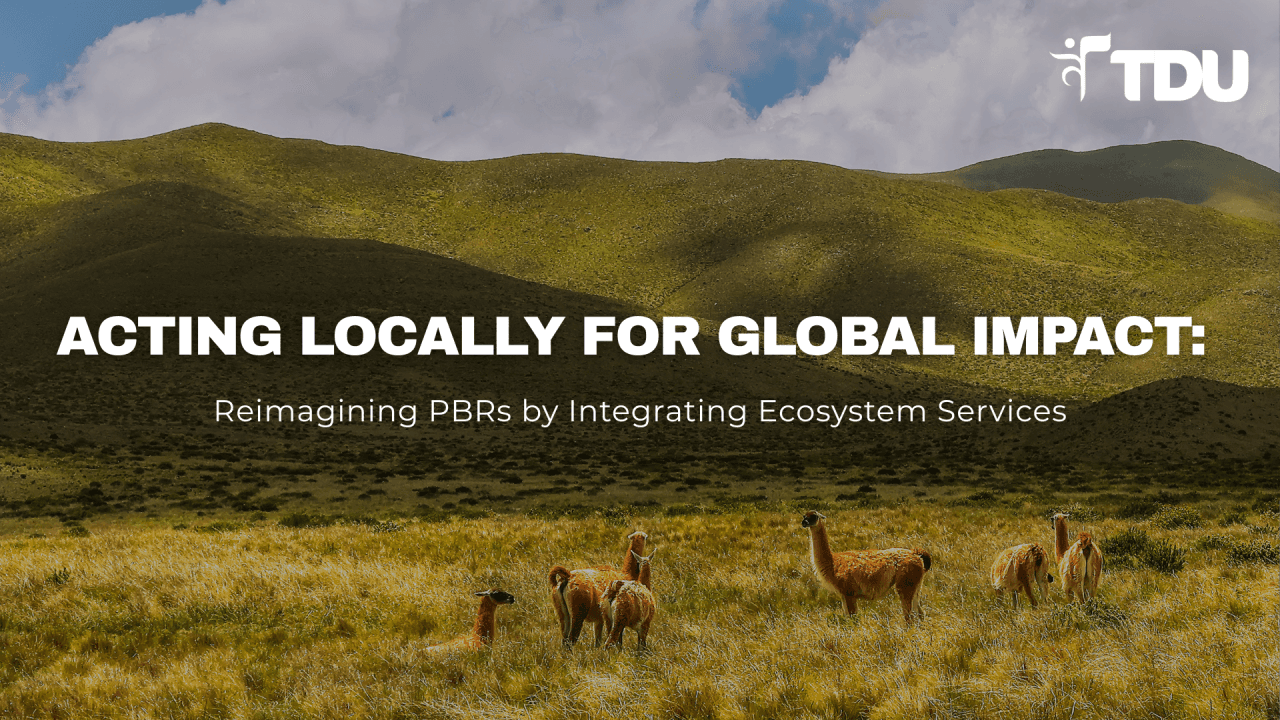
Acting Locally for Global Impact: Reimagining PBRs by Integrating Ecosystem Services
The theme of the International Day for Biological Diversity 2026—“Acting locally for global impact”—is a powerful reminder that global ecological security relies fundamentally on local ecosystems.
Read more
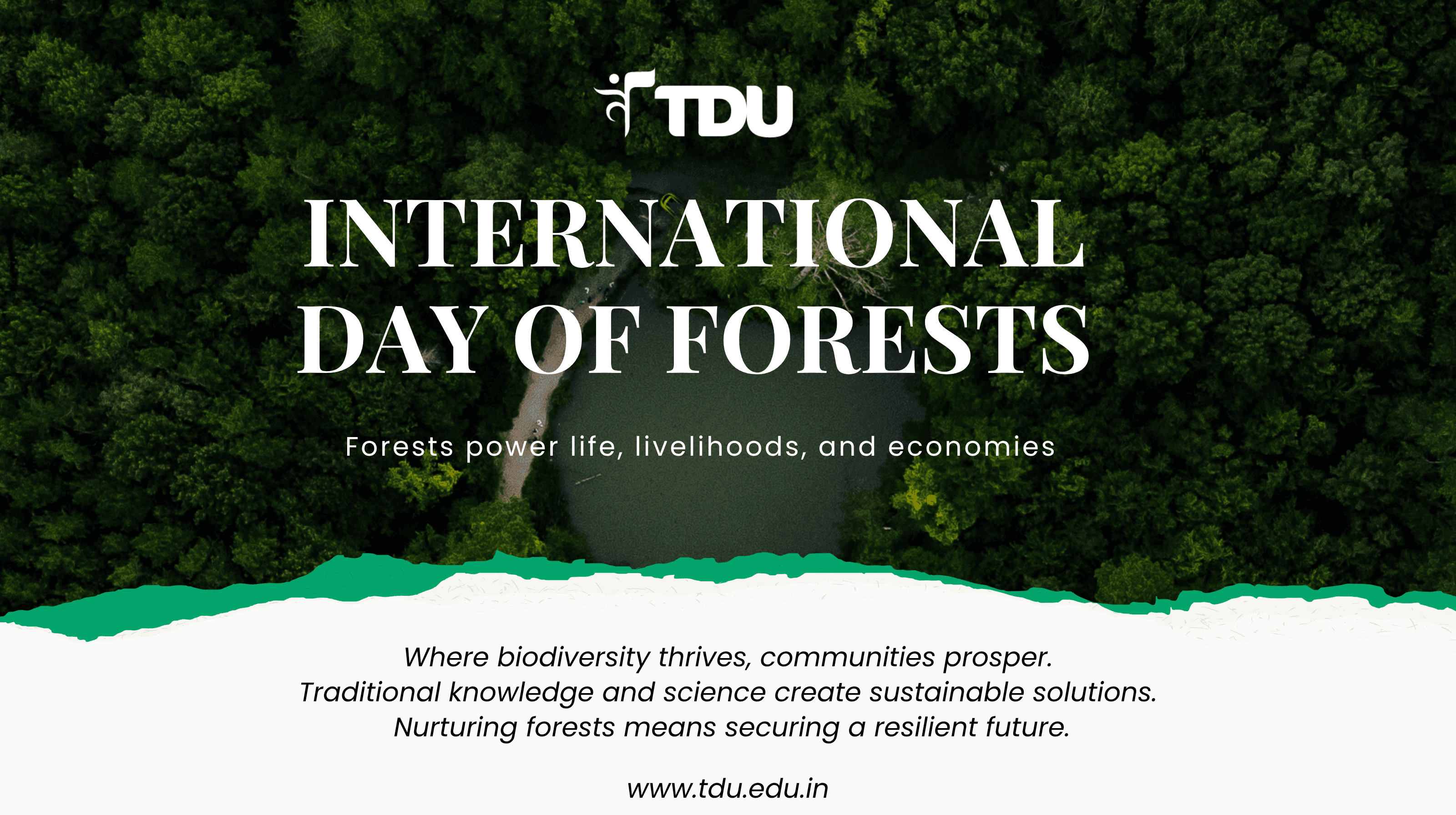
International Day of Forests 2026
Forests are not just natural assets - they are economic lifelines and knowledge systems. Nurturing them is essential for a sustainable and prosperous future for people and planet
Read more
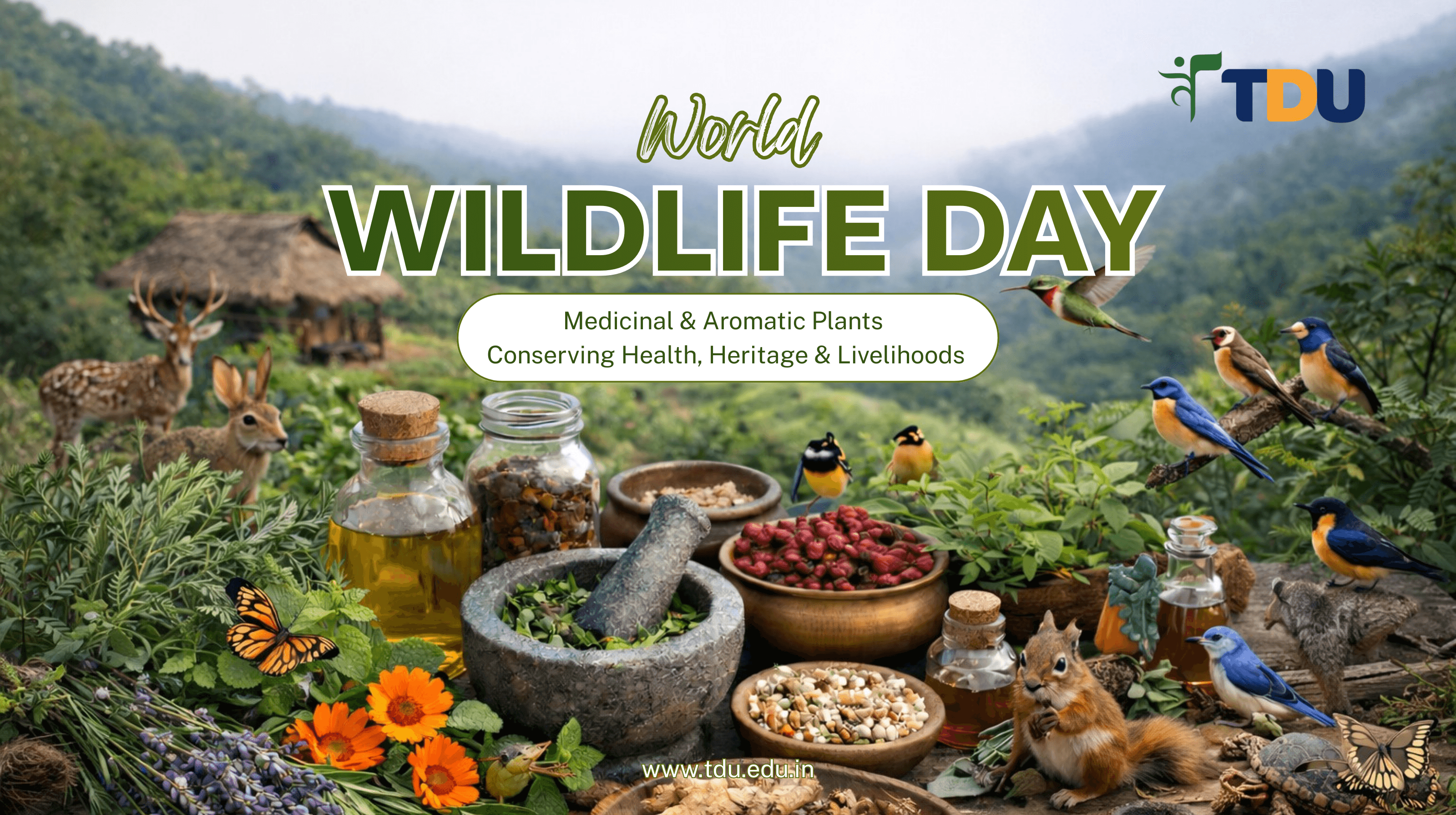
World Wildlife Day 2026
The University of Transdisciplinary Health Sciences and Technology (TDU) Calls for Action to Conserve Medicinal and Aromatic Plants for Health, Heritage and Livelihoods
Read more
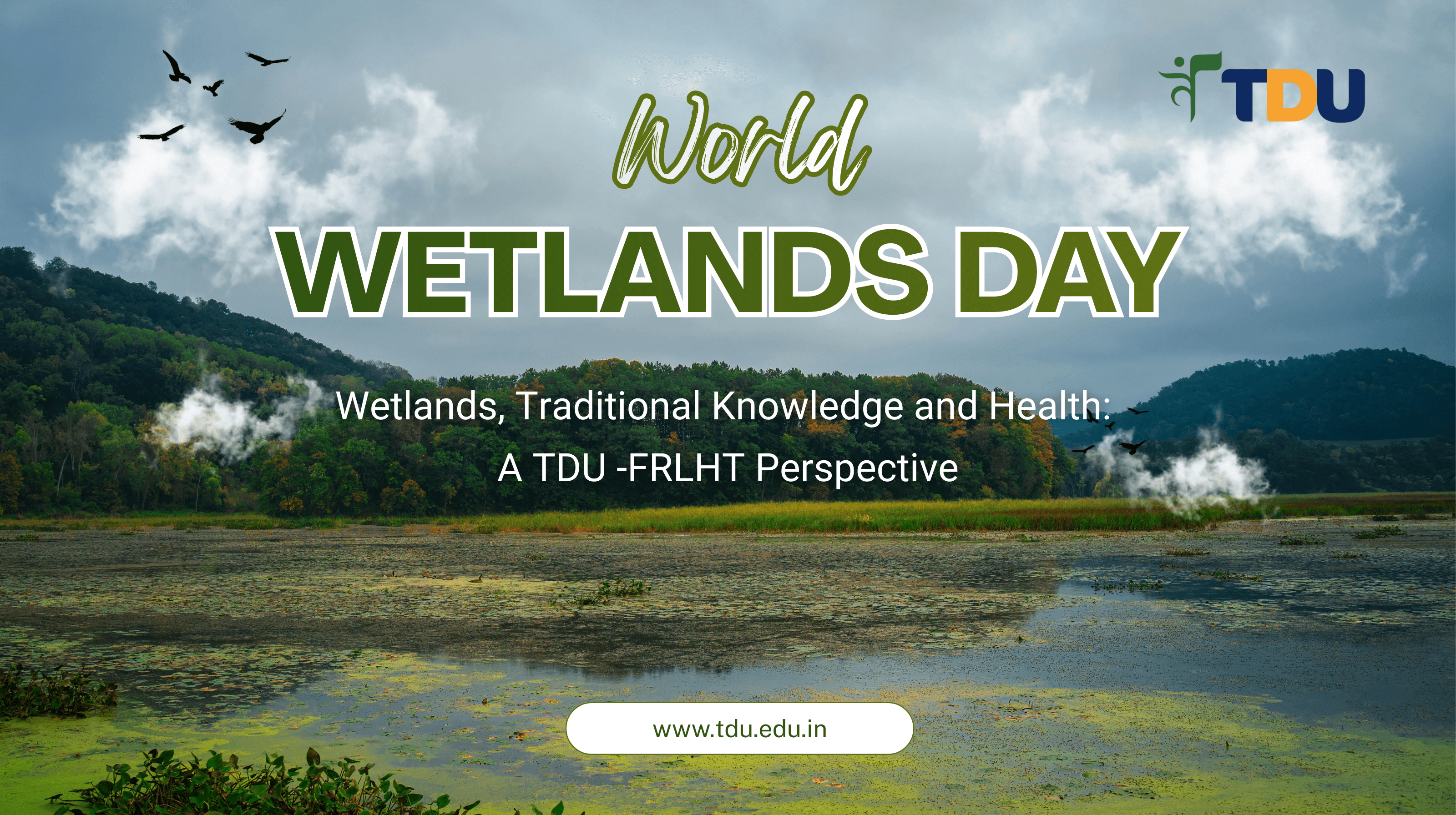
Wetlands, Traditional Knowledge and Health : A TDU - FRLHT Perspective
Wetlands are dynamic ecosystems where water meets land, creating rich habitats that support biodiversity, water security, climate resilience and cultural heritage. Observed annually on 2 February, World Wetlands Day commemorates the adoption of the Ramsar Convention (1971) and underscores the essential role wetlands play for both nature and people worldwide.
Read more

International Environmental Education Day (January 26)
On International Environmental Education Day (January 26), we are reminded of a powerful truth: The future of our planet depends on what and how we teach today.
Read more

TDU VC Darshan Shankar pays tribute to Prof. Madhav Gadgil
Read more
