

Wetlands, Traditional Knowledge and Health : A TDU - FRLHT Perspective
Wetlands are dynamic ecosystems where water meets land, creating rich habitats that support biodiversity, water security, climate resilience and cultural heritage. Observed annually on 2 February, World Wetlands Day commemorates the adoption of the Ramsar Convention (1971) and underscores the essential role wetlands play for both nature and people worldwide.
The 2026 theme - Wetlands and Traditional Knowledge: Celebrating Cultural Heritage - highlights the critical role of Indigenous and local knowledge in nurturing and sustaining wetland ecosystems through place-based wisdom, stewardship practices and cultural traditions refined over generations.
Beyond their well-known functions in water purification, flood regulation and carbon sequestration, wetlands are often described as “biological supermarkets” due to their high productivity and support for diverse life forms. Several medicinal plants central to traditional healthcare systems thrive in wetland and semi-wetland habitats, contributing simultaneously to ecological stability and local livelihoods. Illustrative examples include:
Brahmi (Bacopa monnieri):
A creeping perennial of marshy areas and mudflats, Brahmi aids soil binding and water purification. Traditionally used to enhance memory, alleviate anxiety and improve cognitive function, it enjoys high demand in the herbal industry and serves as a reliable cash crop for collectors and small-scale farmers in waterlogged regions.
Vacha / Sweet Flag (Acorus calamus):
An emergent aquatic plant with aromatic rhizomes, Sweet Flag is known for its capacity to absorb heavy metals and other pollutants from water. Traditionally employed in the management of speech disorders, digestive ailments and as a sedative, it also possesses antimicrobial and insect-repellent properties. Dried rhizomes are traded for use in traditional medicine as well as in the perfume and brewing industries.
Indian Pennywort (Centella asiatica):
Found in damp and swampy habitats, Indian Pennywort functions as a natural ground cover, reducing soil erosion along pond and river banks. It is widely used for skin disorders, wound healing and as a vitality-enhancing tonic. The species provides steady income, particularly to women-led self-help groups, both as a leafy vegetable and a medicinal herb.
Indian Lotus (Nelumbo nucifera):
Widespread in lakes and marshes across India, the lotus provides shade for aquatic fauna and helps regulate nutrient levels in water bodies. Almost all parts of the plant are medicinally valued: flowers for cardiac health, seeds (makhana) for nutrition and digestive health, and stems (kamal kakdi) as food. The species supports diverse income streams through religious, culinary and high-value health markets.
Kuth (Saussurea costus):
Occurring in moist, high-altitude wetlands of the Himalayan region, Kuth contributes to slope stabilization near water bodies. Its rhizomes are used in the treatment of asthma, bronchitis and dermatological conditions. A high-value export species, it remains an important livelihood resource for several Himalayan tribal communities.
Vetiver / Khus (Chrysopogon zizanioides):
A well-recognized bio-engineering species, Vetiver’s deep fibrous roots prevent bank erosion and filter agrochemical runoff. In Ayurveda, it is valued for its cooling, detoxifying and calming properties, with applications ranging from traditional remedies to essential oils and handicrafts.
Together, these species demonstrate the inseparable link between wetland conservation, medicinal plant diversity and traditional knowledge systems. Conserving and restoring wetlands sustains not only plant populations but also the cultural practices and healthcare traditions associated with them.
At The University of Transdisciplinary Health Sciences and Technology (TDU), Bengaluru, and its founding institution, the Foundation for Revitalisation of Local Health Traditions (FRLHT), this interconnection forms the core of a long-standing societal mission. For over three decades, TDU-FRLHT has worked at the interface of ecology, traditional knowledge and health sciences, translating the wisdom of systems such as Ayurveda - grounded in principles including Pancha Mahabhuta, Prakriti and Rasayana - through contemporary scientific approaches for public benefit. The conservation of wetland ecosystems is therefore integral to safeguarding living repositories of medicinal plant diversity, biocultural heritage and community-based health practices.
In alignment with the 2026 World Wetlands Day theme, TDU-FRLHT emphasizes that traditional knowledge systems - spanning ethnobotany, Ayurveda and community-led stewardship - are indispensable for wetland conservation and medicinal plant sustainability, while also supporting human and animal health, livelihoods, nutrition security, ecological restoration and climate resilience.
On this World Wetlands Day, TDU - FRLHT reaffirms its commitment to transdisciplinary conservation, calling for collective action to protect wetlands as foundations of resilient ecosystems, living knowledge systems and sustainable futures for people, society and the planet.
Dr. Atul Kumar Gupta, IFS (Retd.)
Professor, NRM, WL, BD
TDU, Bengaluru
International Day of Forests 2026
Forests are not just natural assets - they are economic lifelines and knowledge systems. Nurturing them is essential for a sustainable and prosperous future for people and planet
Read more
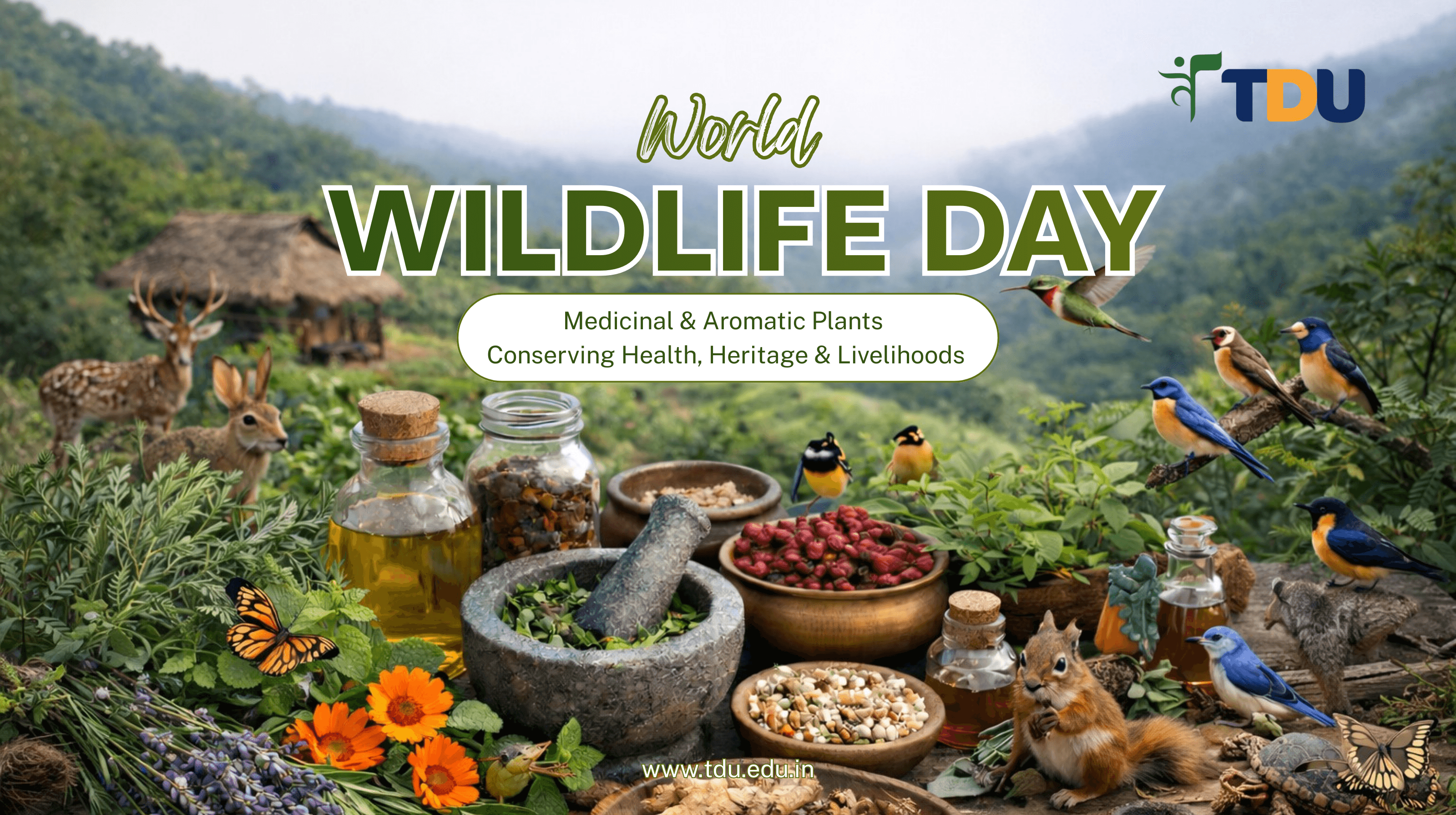
World Wildlife Day 2026
The University of Transdisciplinary Health Sciences and Technology (TDU) Calls for Action to Conserve Medicinal and Aromatic Plants for Health, Heritage and Livelihoods
Read more
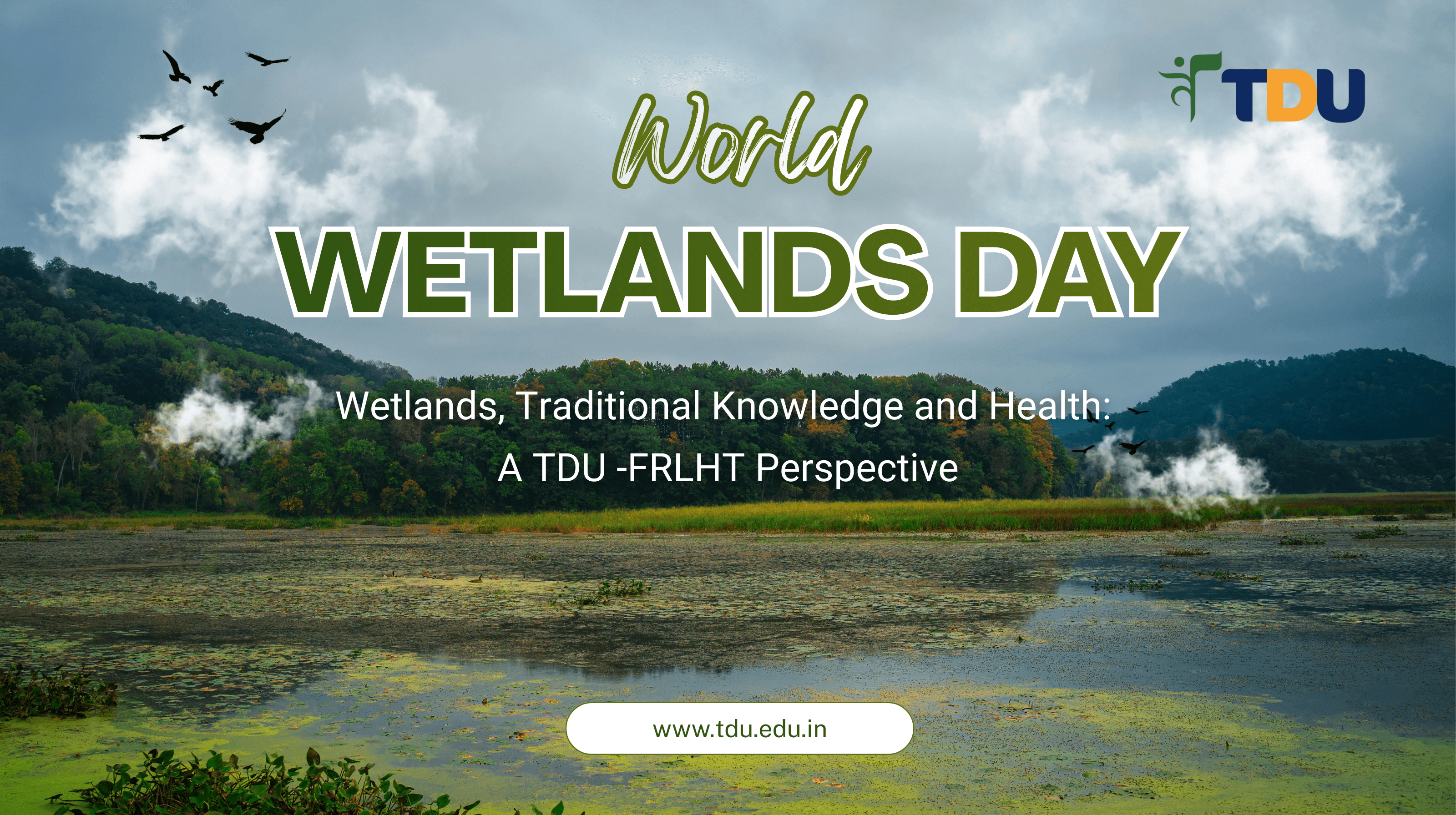
Wetlands, Traditional Knowledge and Health : A TDU - FRLHT Perspective
Wetlands are dynamic ecosystems where water meets land, creating rich habitats that support biodiversity, water security, climate resilience and cultural heritage. Observed annually on 2 February, World Wetlands Day commemorates the adoption of the Ramsar Convention (1971) and underscores the essential role wetlands play for both nature and people worldwide.
Read more
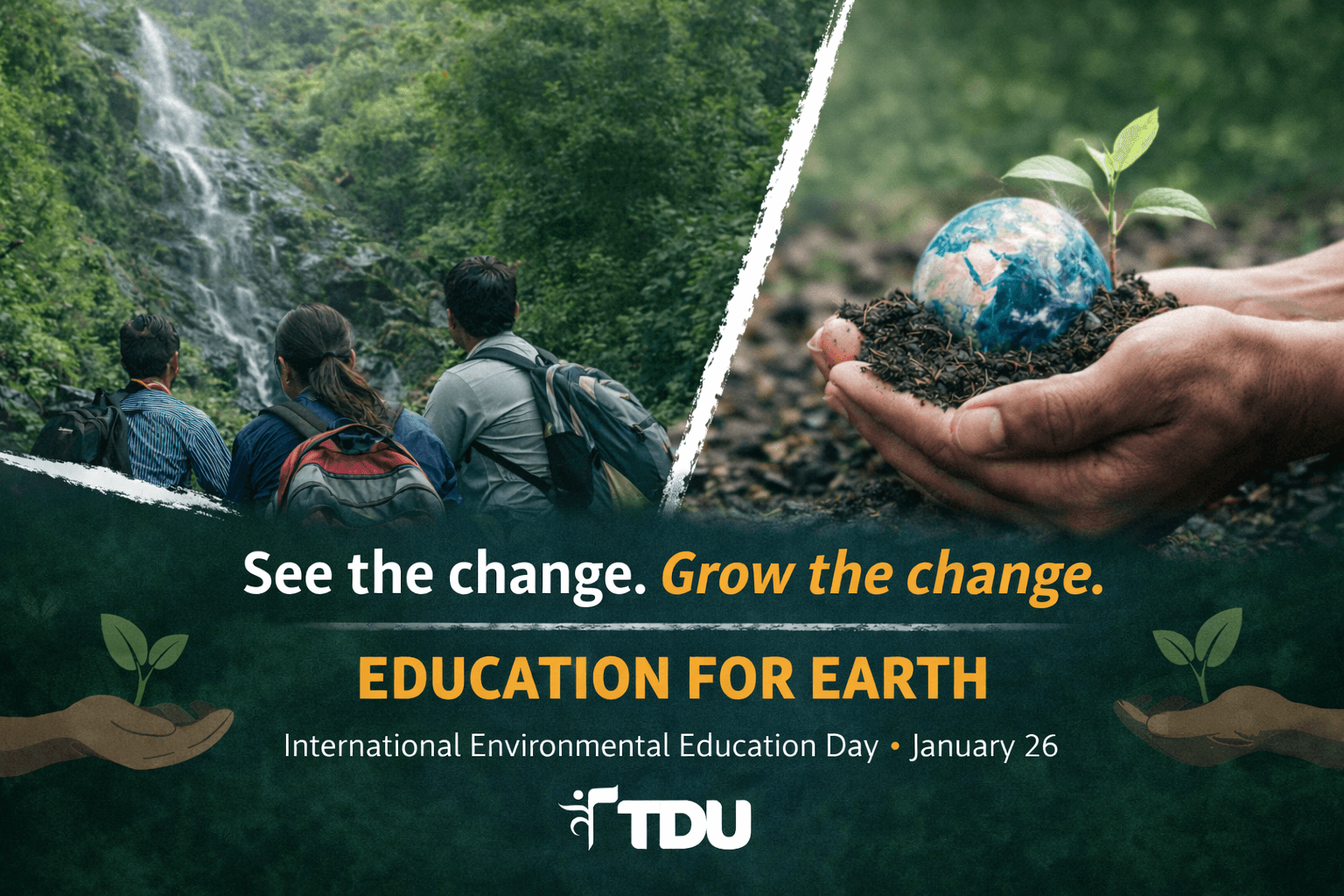
International Environmental Education Day (January 26)
On International Environmental Education Day (January 26), we are reminded of a powerful truth: The future of our planet depends on what and how we teach today.
Read more
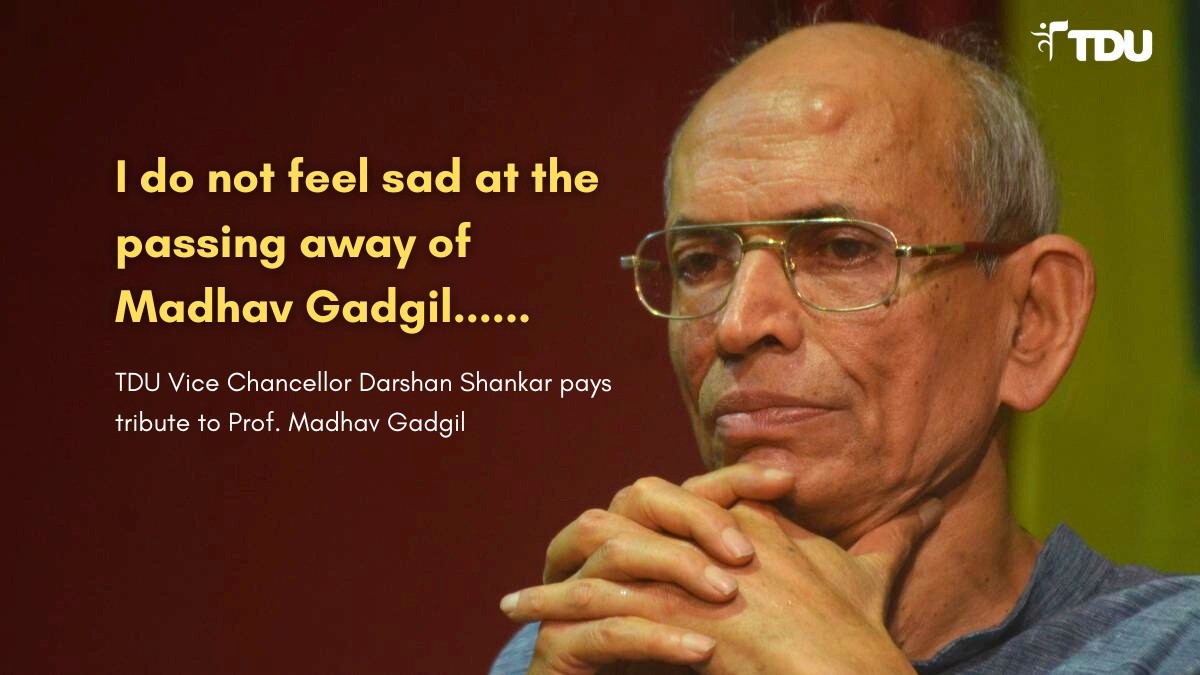
TDU VC Darshan Shankar pays tribute to Prof. Madhav Gadgil
Read more

Rethinking Periods: When Did Rest Become Restriction ?
Menstruation is one of the most natural processes of the female human body, yet it remains one of the most misunderstood. Across cultures-especially in India-it has been surrounded by silence, shame, and countless restrictions.
Read more
