

The Japan Training Summer Program by Varsha KP (MSc LS AB Student)
There, we held a ceremony for our entire summer program's inauguration and orientation. After that, we traveled to UNU-IAS OUIK in the afternoon.
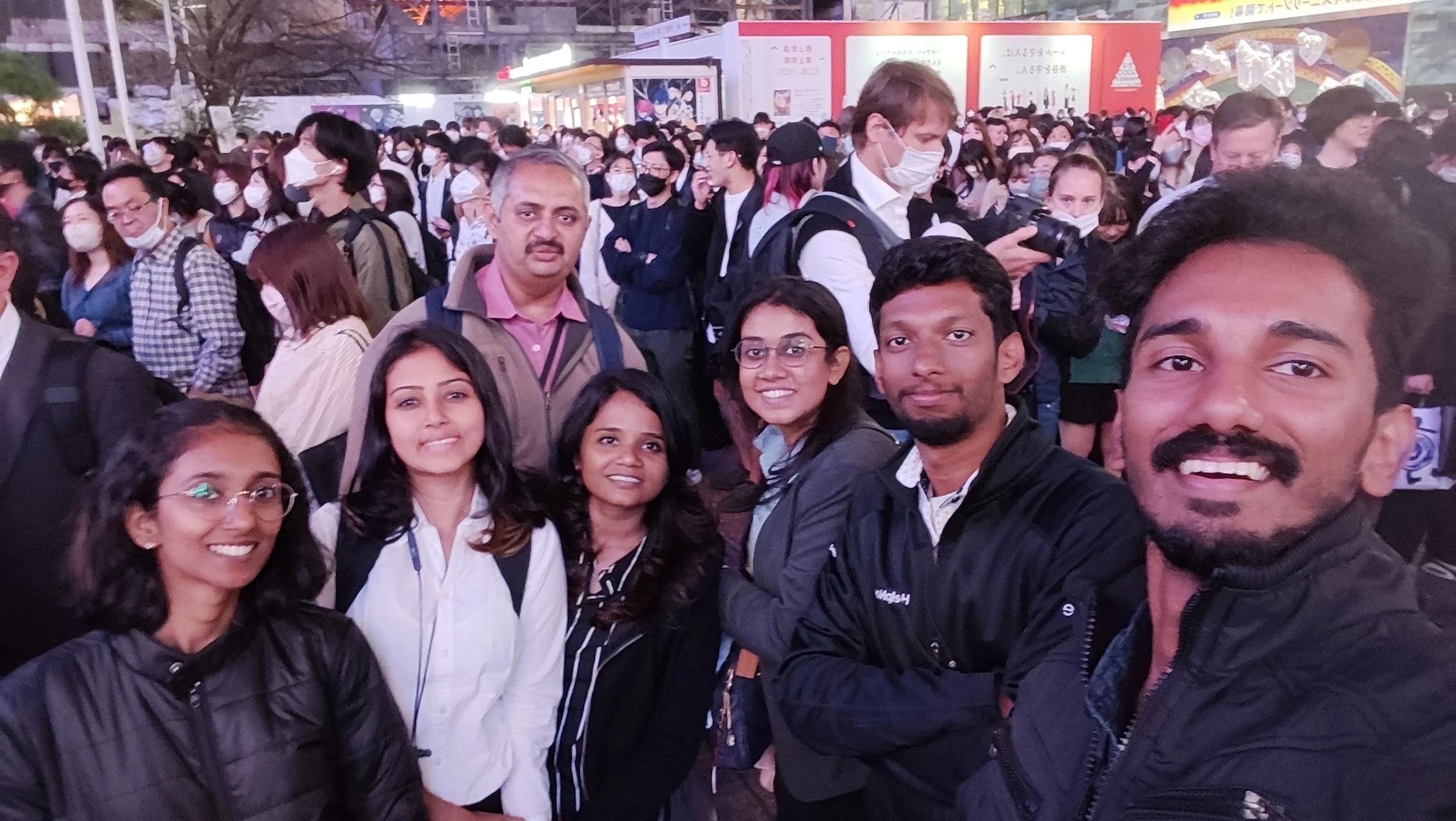
The following morning at 8:50, we left the hotel and headed to Shiramine village, one of the most stunning spots we visited in Japan. All around Japan, especially in this town, manners like politeness and respect were strongly ingrained. It had around 800 residents and was a really lovely community. At Shiramine, we started with an orientation session taught by the Boss about the culture, biodiversity, and other amenities.
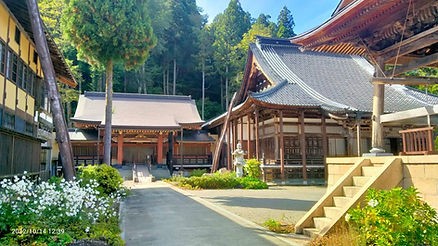
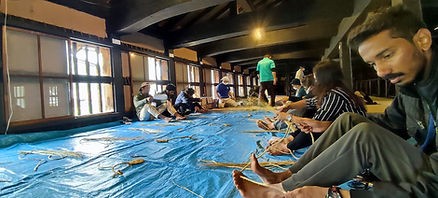
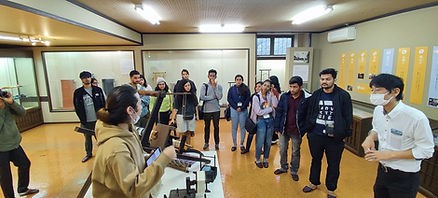
After that, we learned more about Hakusan National Park, and then we visited a scientific museum. We visited the Ishikawa Prefectural Hakusan Roku Folklore Museum after lunch and received training for producing straw goods there. We developed skills outside of the classroom thanks to those activities.
On October 15th, we went climbing on Mount Hakusan. The peak has so many magnificent sights that it is really worth it. Mt. Hakusan has a long religious history, being the pilgrimage destination for monks since the early 700s. Nowadays, it is a popular hiking destination for people of all ages, from school children and families, to elderly hikers. After lunch we went to do an exotic plant plucking activity. Japan has so many alien species, so they gave lectures regarding the native and alien plant species.
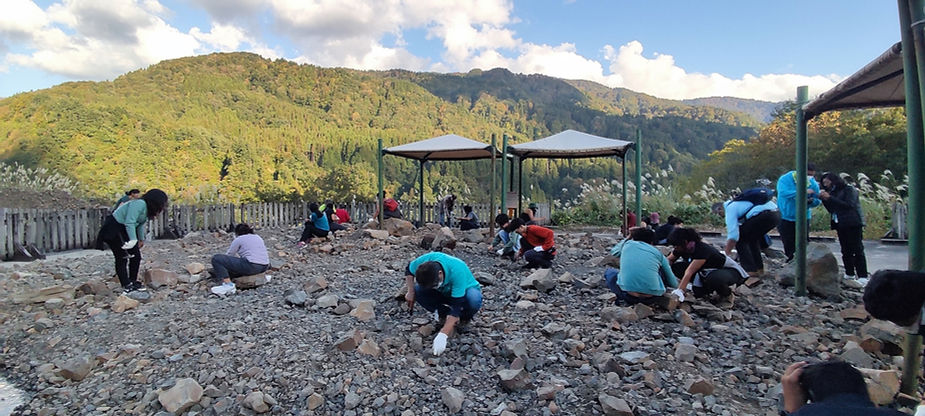
On the next day, we had a lecture regarding the traditional medicine of Japan called kampo medicine. Similarities and differences between Ayurveda and Kampo medicine were observed. Then we went to harvest finger millet from a field. Our last stop for the day was the Hakusan dinosaur park where we saw fossils and other archeological remnants, and excavated some fossils.
We then went to the backyard of the Hakusan alpine botanical garden, and to the Textile Museum where we were trained to make stuff with silk. On the next day, we traveled back to Kanazawa university and we had a class from Prof. Sasaki following which we were awarded with our internship certificates. Lastly, we visited the Museum of Materia Medica, Institute of Natural Medicine at Toyama University, where they explained the relevance of the origin of kampo from Ayurveda.
We explored Tokyo during our last two days, and saw Shibuya crossing. During its busiest times, an estimated 1,000 to 2,500 people forge their way across this intersection every two minutes, enough to quickly fill up a football stadium.
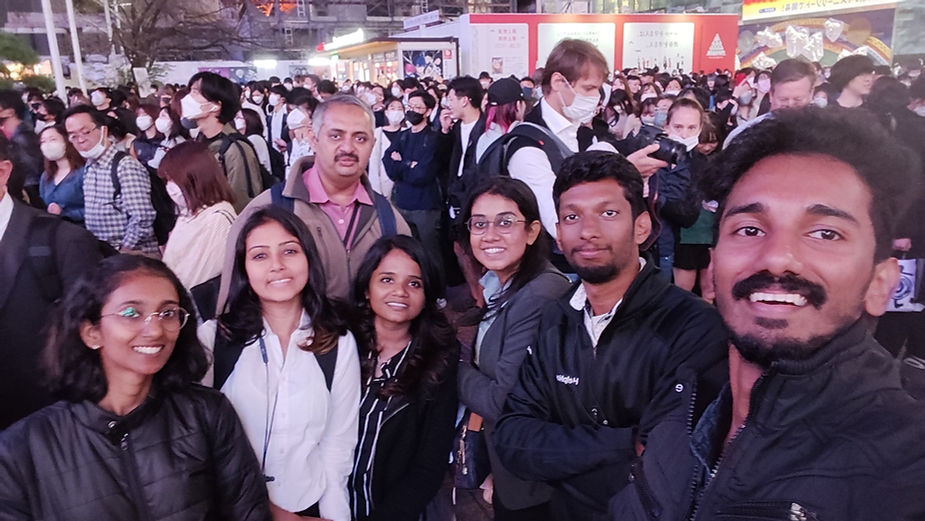
The experience I gained from this journey is priceless all around. We are grateful to Vishnu sir and TDU for giving us all this wonderful experience. Thank you so much.
Acting Locally for Global Impact: Reimagining PBRs by Integrating Ecosystem Services
The theme of the International Day for Biological Diversity 2026—“Acting locally for global impact”—is a powerful reminder that global ecological security relies fundamentally on local ecosystems.
Read more
International Day of Forests 2026
Forests are not just natural assets - they are economic lifelines and knowledge systems. Nurturing them is essential for a sustainable and prosperous future for people and planet
Read more
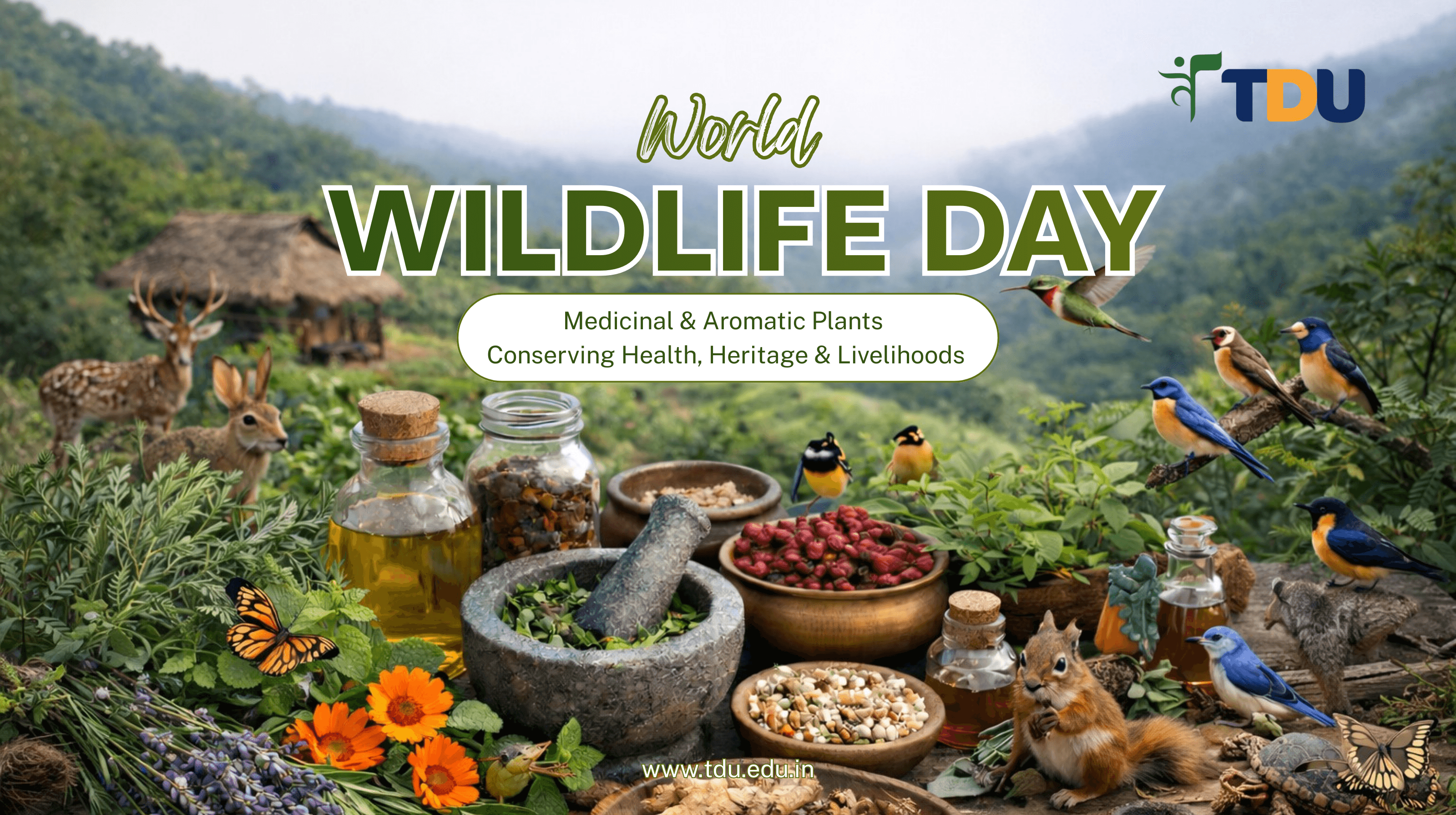
World Wildlife Day 2026
The University of Transdisciplinary Health Sciences and Technology (TDU) Calls for Action to Conserve Medicinal and Aromatic Plants for Health, Heritage and Livelihoods
Read more
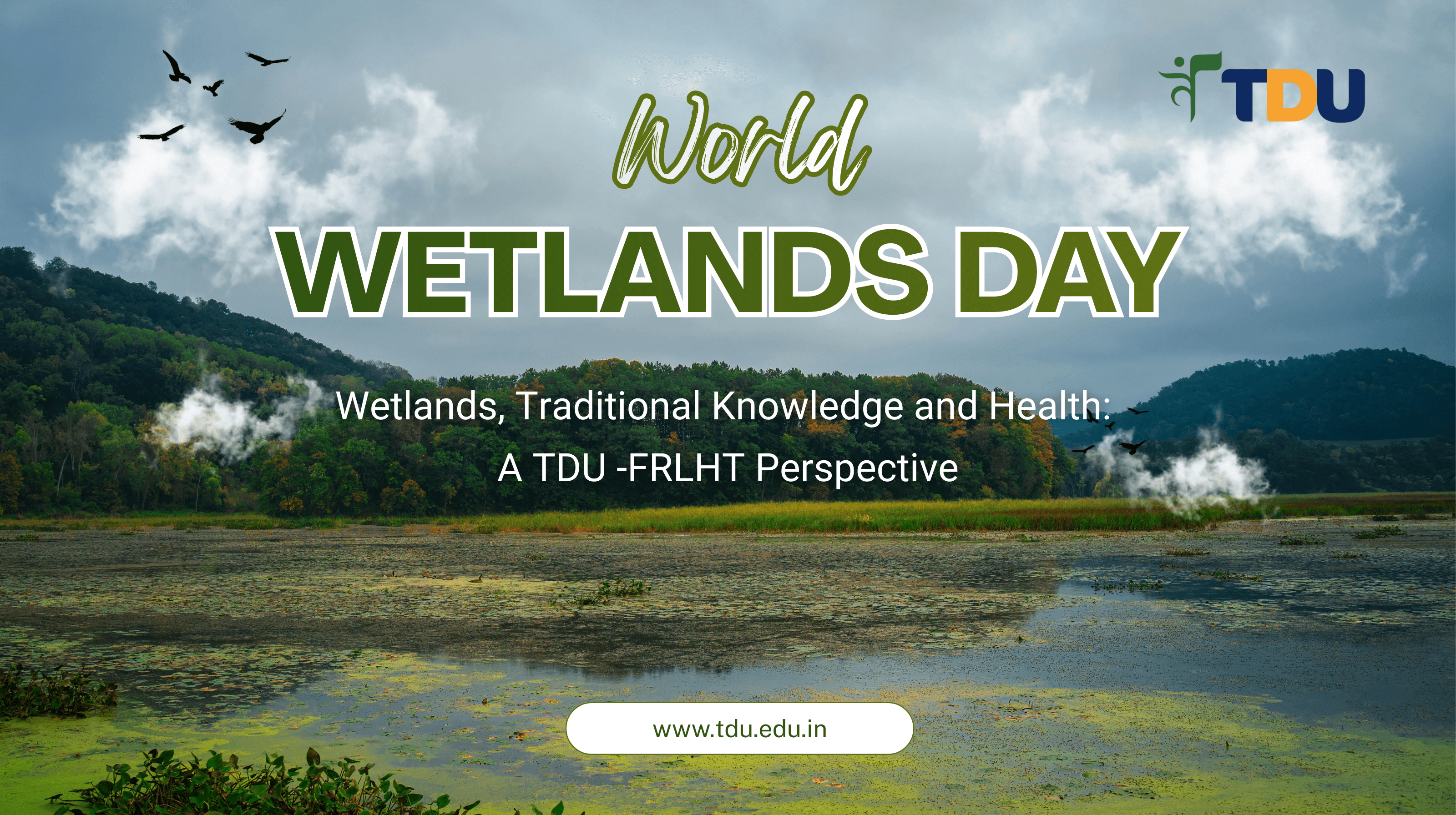
Wetlands, Traditional Knowledge and Health : A TDU - FRLHT Perspective
Wetlands are dynamic ecosystems where water meets land, creating rich habitats that support biodiversity, water security, climate resilience and cultural heritage. Observed annually on 2 February, World Wetlands Day commemorates the adoption of the Ramsar Convention (1971) and underscores the essential role wetlands play for both nature and people worldwide.
Read more

International Environmental Education Day (January 26)
On International Environmental Education Day (January 26), we are reminded of a powerful truth: The future of our planet depends on what and how we teach today.
Read more
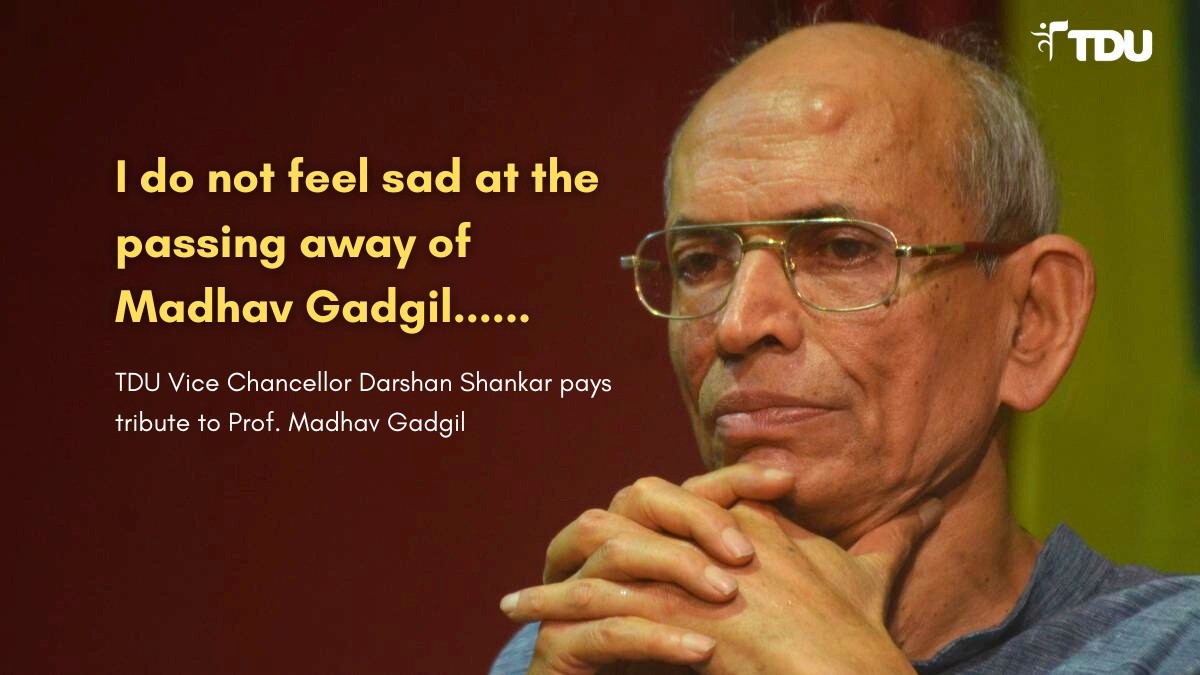
TDU VC Darshan Shankar pays tribute to Prof. Madhav Gadgil
Read more
