

Panchakarma and the role of Diet
Panchakarma literally means “five actions” or “five procedures”: Vamana (therapeutic emesis), Virechana (purgation), Basti (medicated enema), Nasya (nasal cleansing), and Raktamokshana (bloodletting). These therapies are designed to cleanse the body of accumulated toxins and restore balance to the doshas (vata, pitta, kapha).
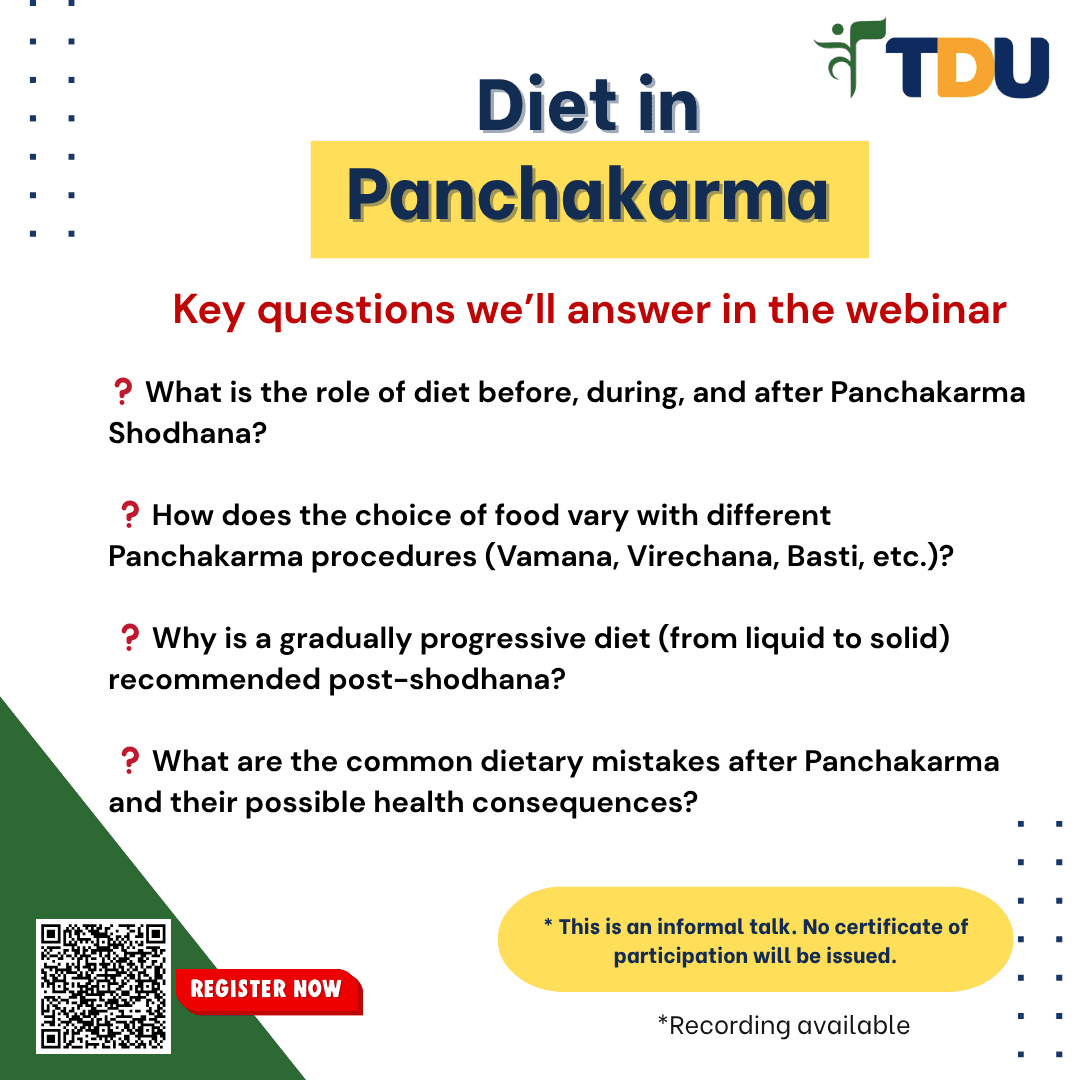
When we think of Panchakarma, most of us imagine the therapies themselves. But there is another side to this treatment that often gets overlooked: the food you eat before, during, and after the procedure.
In Ayurveda, diet is never an afterthought. It is as important as the therapy itself. The right foods prepare the body, support the cleansing process, and restore strength once the treatment is complete.
Why does diet matter?
Before Panchakarma: Eating light, simple meals improves digestion and loosens toxins, making them easier to remove.
During Panchakarma: Gentle foods keep the digestive system stable while the body undergoes cleansing.
After Panchakarma: Patients are guided through Samsarjana Krama: a step-by-step diet where you begin with thin gruels (peya), then move to semi-solid foods (vilepi), soups (yusha), and finally regular meals. This gradual shift helps the body regain balance without stress.
Mistakes people often make
One common mistake is returning too quickly to heavy, oily, or processed foods. This can undo the benefits of Panchakarma and sometimes lead to digestive discomfort or relapse of symptoms.

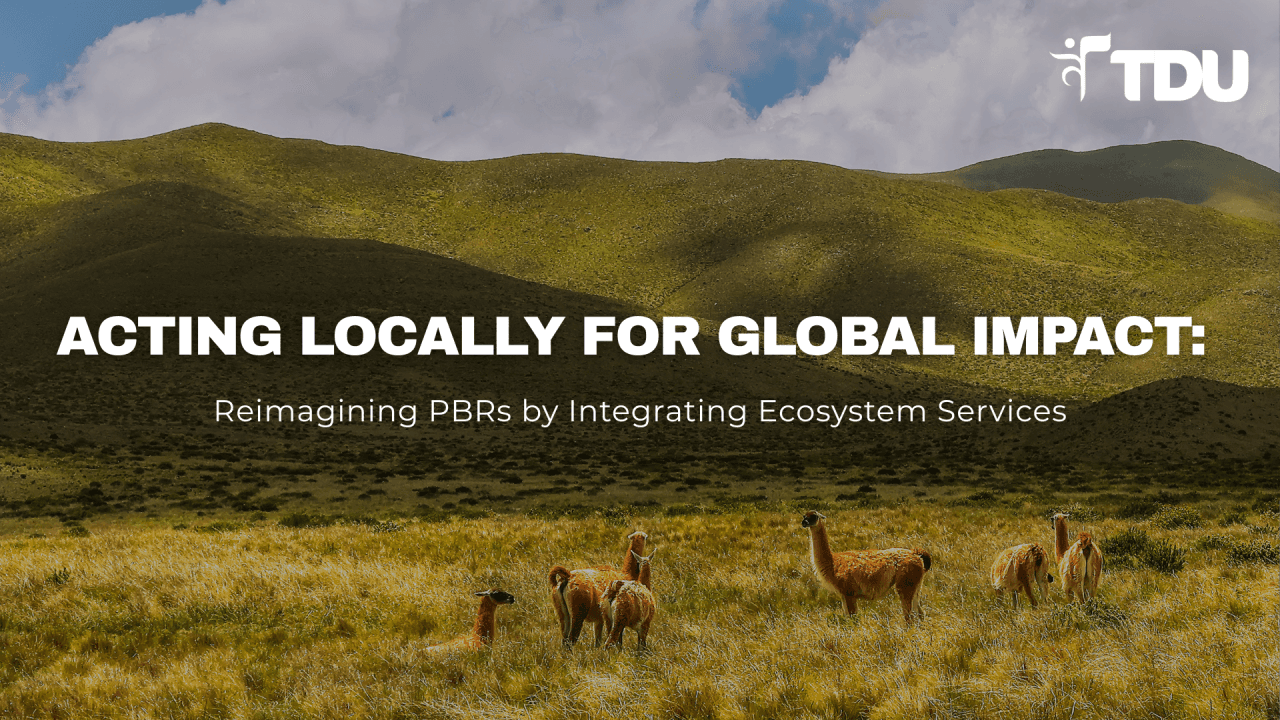
Acting Locally for Global Impact: Reimagining PBRs by Integrating Ecosystem Services
The theme of the International Day for Biological Diversity 2026—“Acting locally for global impact”—is a powerful reminder that global ecological security relies fundamentally on local ecosystems.
Read more
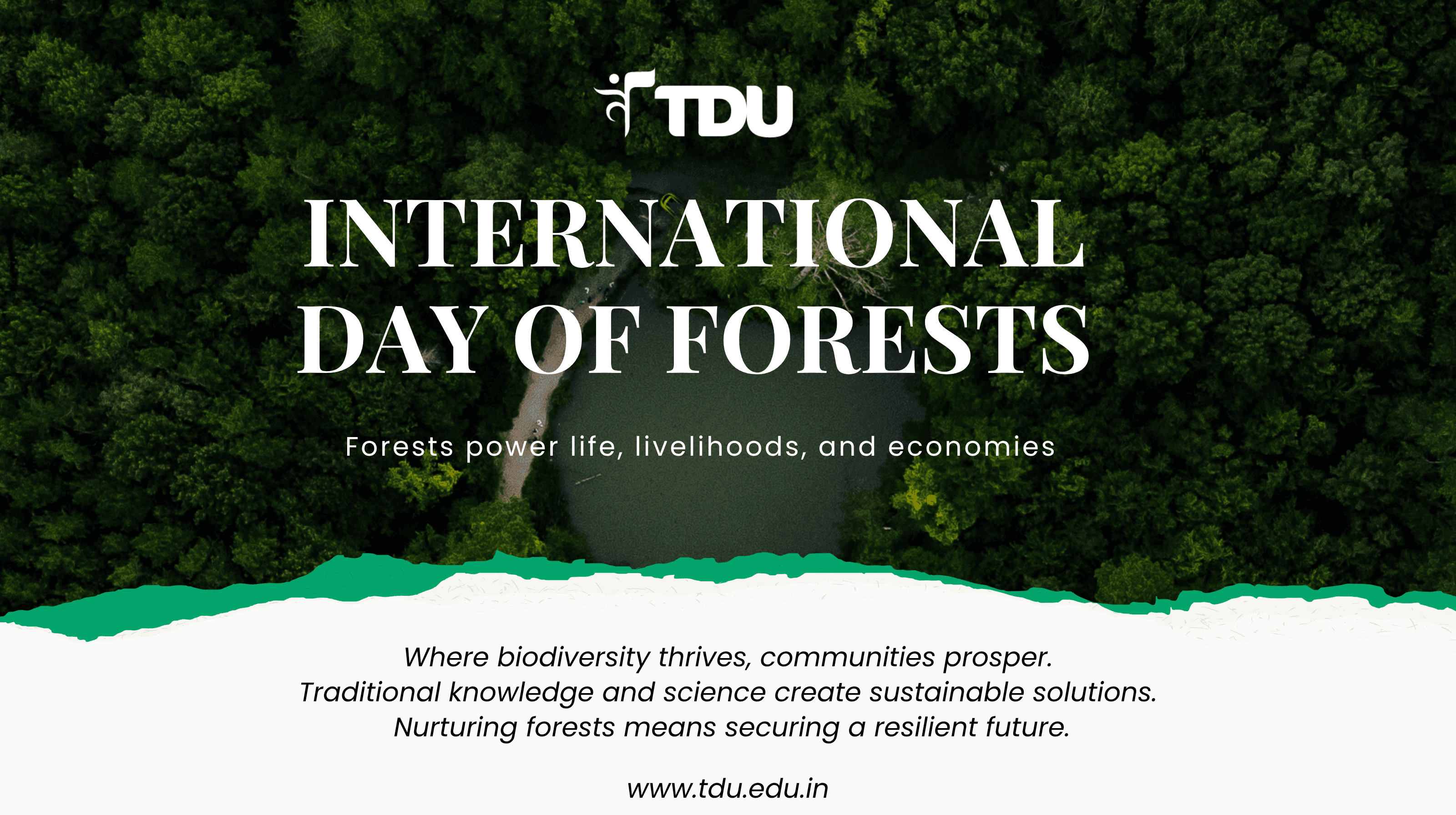
International Day of Forests 2026
Forests are not just natural assets - they are economic lifelines and knowledge systems. Nurturing them is essential for a sustainable and prosperous future for people and planet
Read more
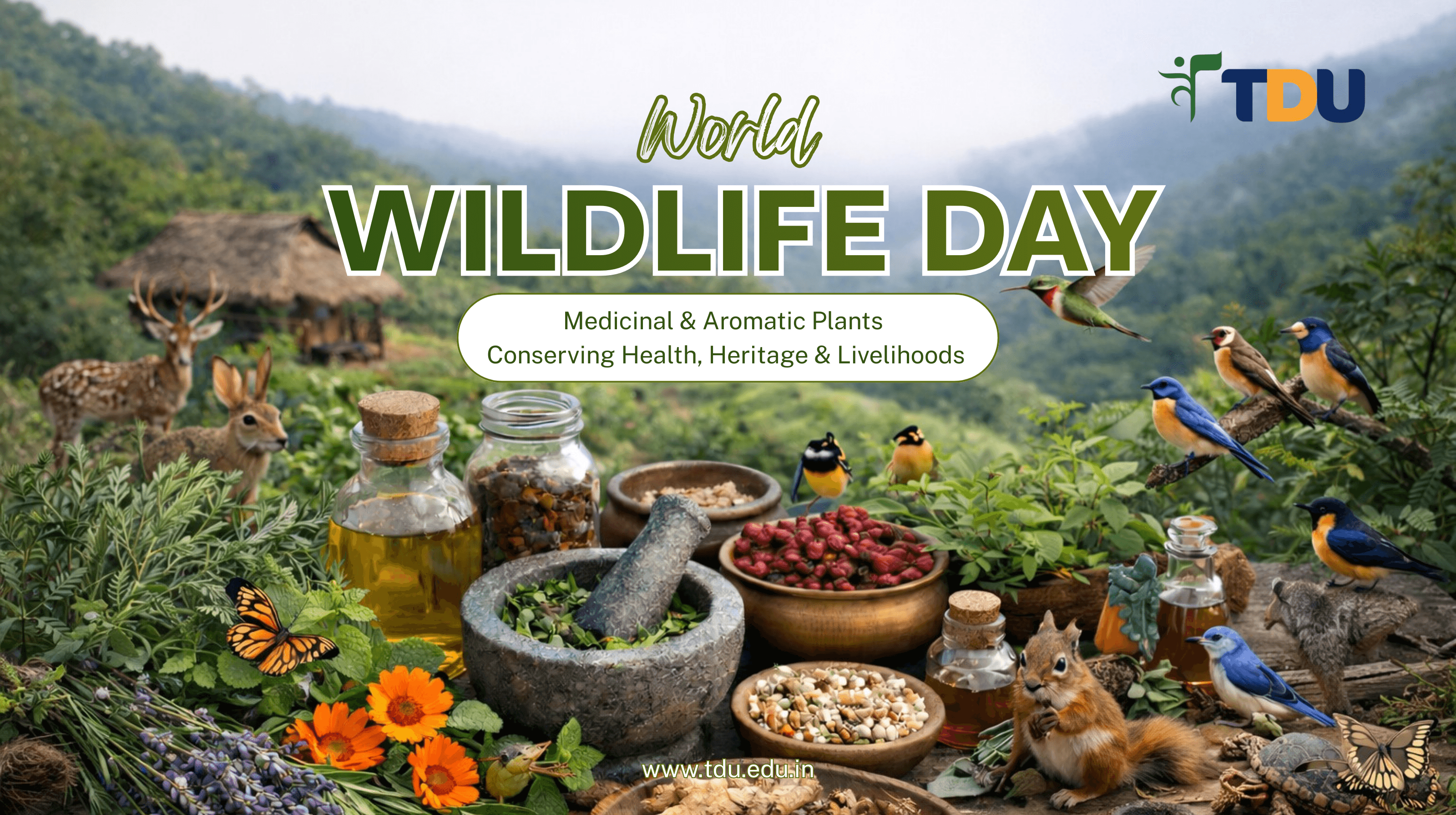
World Wildlife Day 2026
The University of Transdisciplinary Health Sciences and Technology (TDU) Calls for Action to Conserve Medicinal and Aromatic Plants for Health, Heritage and Livelihoods
Read more
Wetlands, Traditional Knowledge and Health : A TDU - FRLHT Perspective
Wetlands are dynamic ecosystems where water meets land, creating rich habitats that support biodiversity, water security, climate resilience and cultural heritage. Observed annually on 2 February, World Wetlands Day commemorates the adoption of the Ramsar Convention (1971) and underscores the essential role wetlands play for both nature and people worldwide.
Read more
International Environmental Education Day (January 26)
On International Environmental Education Day (January 26), we are reminded of a powerful truth: The future of our planet depends on what and how we teach today.
Read more
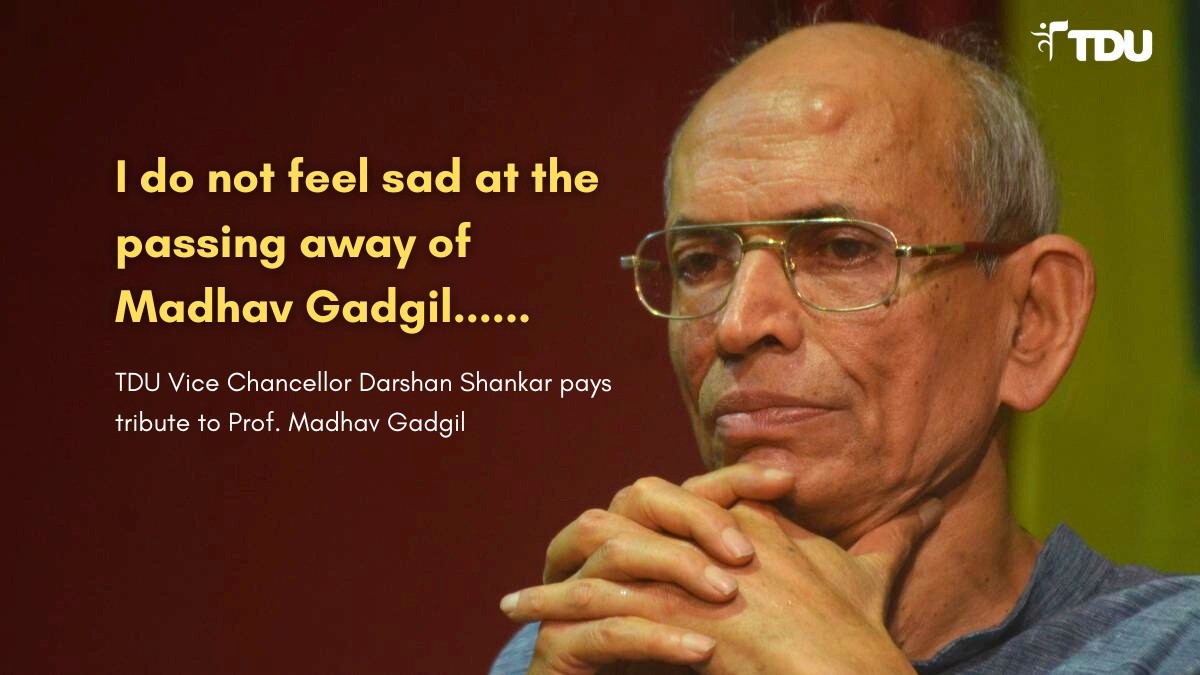
TDU VC Darshan Shankar pays tribute to Prof. Madhav Gadgil
Read more
