

Meat in Ayurveda
Ayurveda, the ancient Indian system of medicine, gives importance to āhāra (food), vihāra (lifestyle), and vicāra (mental state) to maintain health. Among these, Ahara includes a wide range of foods, both vegetarian and non-vegetarian. Ayurveda is often glorified as ‘Satvik’ emphasizing vegetarianism. Meat-eating has been a part of Indian culture since time immemorial, and Ayurveda is no exception. Addressing the concept of meat eating in Ayurveda ensures that we give due regard to authentic texts and not view it with a lens of prejudice
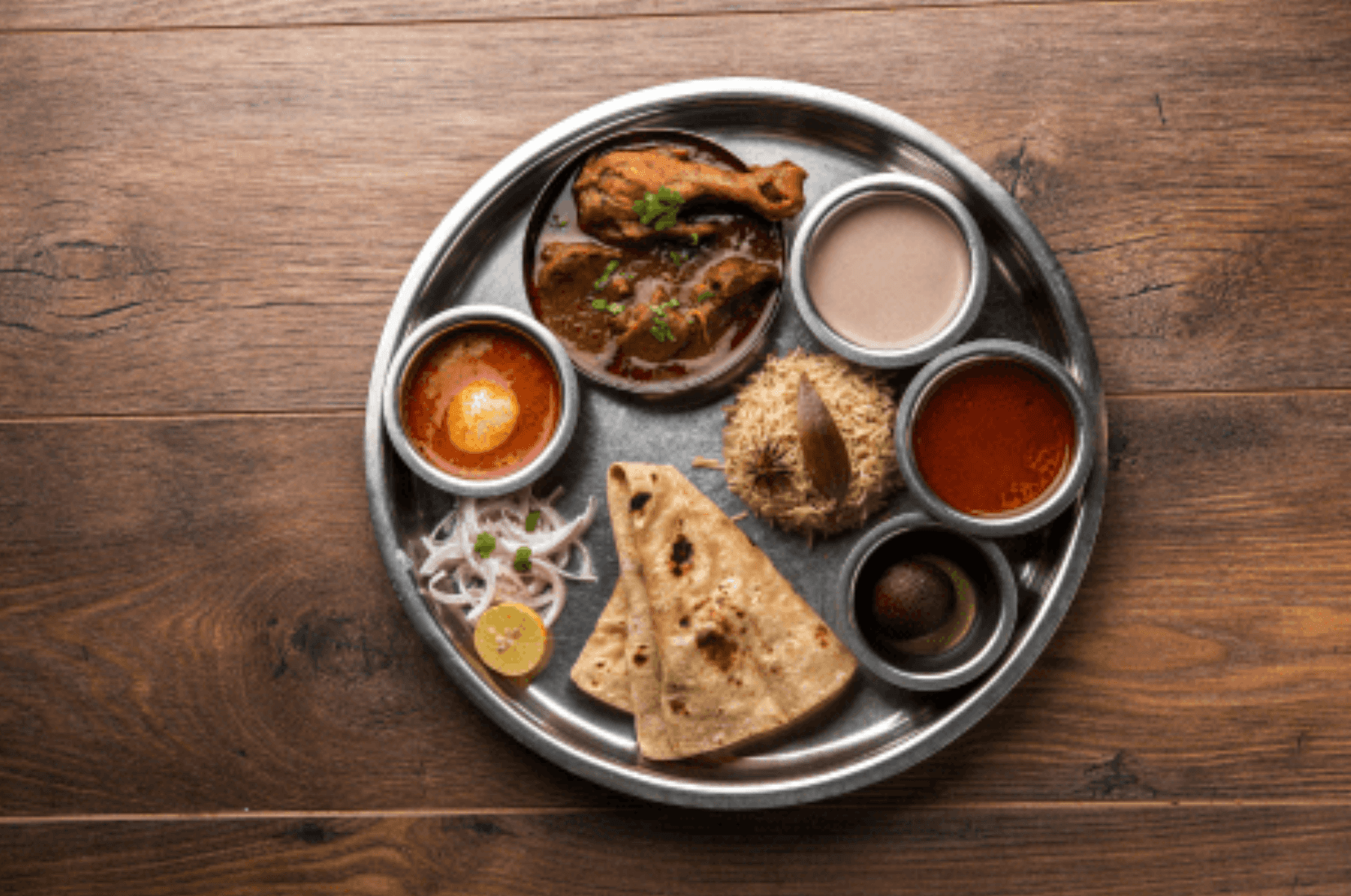
In Ayurveda, meat has always been on the menu
Classification of Meat in Ayurveda
Ayurveda classifies meat into eight main categories: tearers, burrowers, wetland animals, aquatic, amphibious, forest dwellers, gallinaceous, and peckers. Meats of each group are believed to have distinct effects on the body depending on the species, habitat, and the eater’s constitution (prakṛti). In general, meat is described as balya (strength-promoting), bṛṃhaṇa (nourishing), and vṛṣya (aphrodisiac).
Meat of carnivores like camel and horse suit strong digestion; burrowers like porcupine and mongoose alleviate debilitating illnesses; marshy like buffalo build strength; aquatic like fish and crab are aphrodisiac, and meat of those in the arid region are light for digestion.
Nitya Sevaniya Mamsa
In Ayurveda, certain foods are classified as nitya sevanīya dravyas —those fit for daily consumption. The meat of jaṅgala desha (arid zone animals) is considered light,wholesome and is advised to be included in the diet more frequently.
Best and Worst Meats
Chicken is considered the best among all varieties of meat. It provides strength and alleviates emaciation. Among fish, rohita (Labeo rohita) is considered the best. In contrast, the meat of beef and the buffaloare not recommended for daily consumption or during illness as they are heavy, undergo digestion very slowly and aggravate digestive disorders. Of all meat preparations, māṃsa rasa (meat soup) is praised as the most beneficial form.
Indications and Contraindications
Ayurveda does not impose strict restrictions on meat consumption. It emphasizes individual suitability based on prakṛti (constitution) and agni (digestive capacity). For example, a Kapha-dominant person is not advised heavy meats like pork, while a Vata-dominant individual should avoid dry meats unless prepared with oils and spices. Fish, being hot in potency, is contraindicated in conditions like piles and gastritis. Such nuanced guidelines highlight the personalized nature of Ayurveda’s dietary approach.
Ayurveda also cautions against certain cooking practices. For instance, cooking meat without water is contraindicated. Moist cooking retains nutritional value and aids digestion. Modern practices like high-temperature barbequing without water can generate Advanced Glycation End Products (AGEs), which contribute to oxidative stress, premature aging, and cancer risk.
Common Misconceptions about Meat in Ayurveda
A frequent misconception is that meat is inherently tāmasika (that which induces lethargy). In reality, improper cooking (karaṇa) or overconsumption cause digestive issues. When cooked aptly and consumed in moderation, meat promotes vitality. Another misconception is that Ayurveda prescribes the same diet to everyone. Diet is individualized tailored to one’s prakṛti and digestive capability.
It is also wrongly assumed that meat inevitably causes obesity. Ayurveda clarifies that the portion size, cooking method, and individual metabolism determine outcomes and not meat alone. Finally, the modern idea that meat is the only reliable source of protein is misleading. While protein content of plants matches the amount present in animals, the latter is more bioavailable. A diverse diet, however, can easily ensure adequate protein intake.
Nutritional Value of Meat
Meat contains all three macronutrients—carbohydrates, protein, and fat. It provides fat-soluble vitamins (A, D, E, K), heme iron (better absorbed than plant iron), folic acid, and minerals like zinc and phosphorus. One hundred grams of meat yields ~194 kcal, with 20% protein and 3–5% fat. These attributes make it valuable for muscle growth, tissue repair, and overall vitality when consumed mindfully.
Conclusion
Addressing the role of meat in Ayurveda is crucial to dispel the misconception that Ayurveda is vegetarian. Ayurveda describes meat in detail, highlighting karana (cooking practices) and upayokta (the consumer). When seen through both Ayurvedic wisdom and modern nutrition, meat emerges as a nourishing food option, to be included in the diet as a choice. Ayurveda thus does not advocate ideological extremes- it neither promotes nor discourages meat consumption, but promotes moderation and individualization in diet for holistic wellbeing.
Author :
Samhitha Bhaskara
Acting Locally for Global Impact: Reimagining PBRs by Integrating Ecosystem Services
The theme of the International Day for Biological Diversity 2026—“Acting locally for global impact”—is a powerful reminder that global ecological security relies fundamentally on local ecosystems.
Read more
International Day of Forests 2026
Forests are not just natural assets - they are economic lifelines and knowledge systems. Nurturing them is essential for a sustainable and prosperous future for people and planet
Read more
World Wildlife Day 2026
The University of Transdisciplinary Health Sciences and Technology (TDU) Calls for Action to Conserve Medicinal and Aromatic Plants for Health, Heritage and Livelihoods
Read more
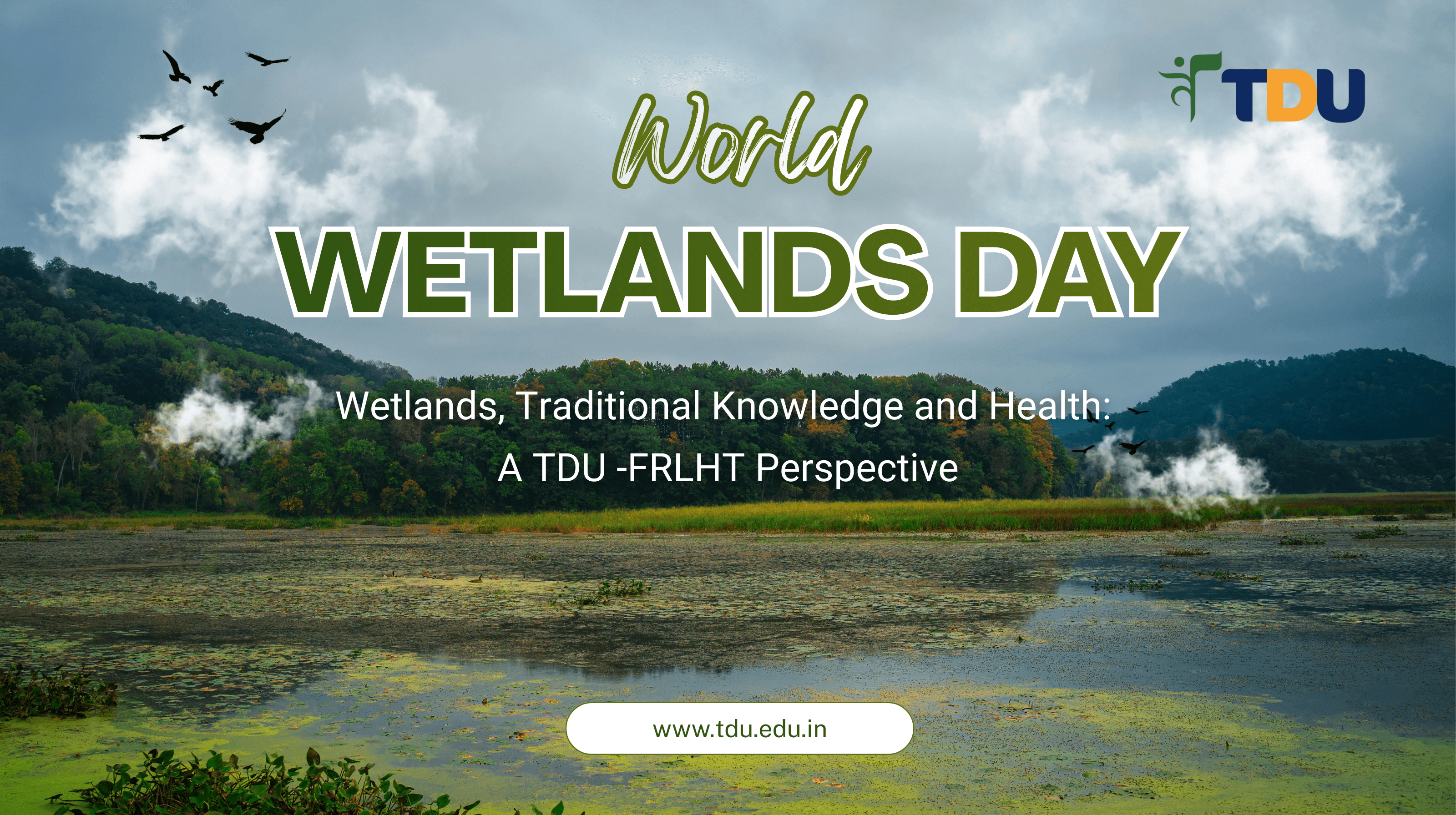
Wetlands, Traditional Knowledge and Health : A TDU - FRLHT Perspective
Wetlands are dynamic ecosystems where water meets land, creating rich habitats that support biodiversity, water security, climate resilience and cultural heritage. Observed annually on 2 February, World Wetlands Day commemorates the adoption of the Ramsar Convention (1971) and underscores the essential role wetlands play for both nature and people worldwide.
Read more

International Environmental Education Day (January 26)
On International Environmental Education Day (January 26), we are reminded of a powerful truth: The future of our planet depends on what and how we teach today.
Read more
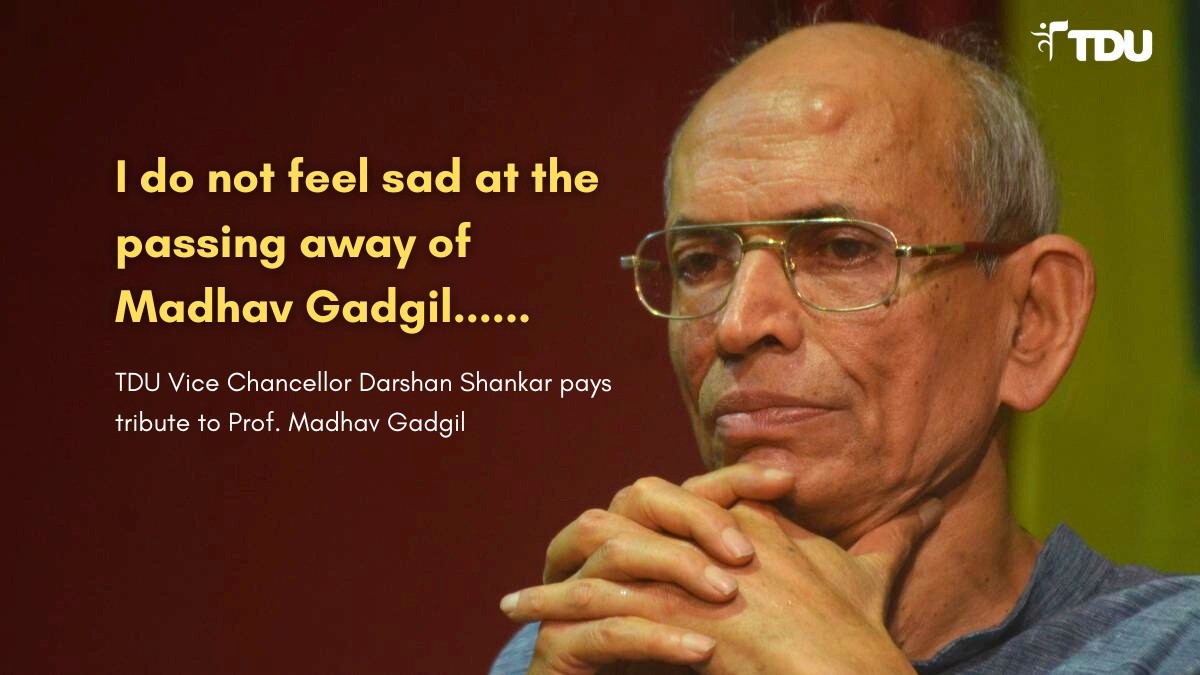
TDU VC Darshan Shankar pays tribute to Prof. Madhav Gadgil
Read more
