

Exploring the Treasures of Thai Traditional Medicine: A Journey of Discovery
Author: Renuka
MSc Life Sciences (Ayurveda Biology), 4th Semester
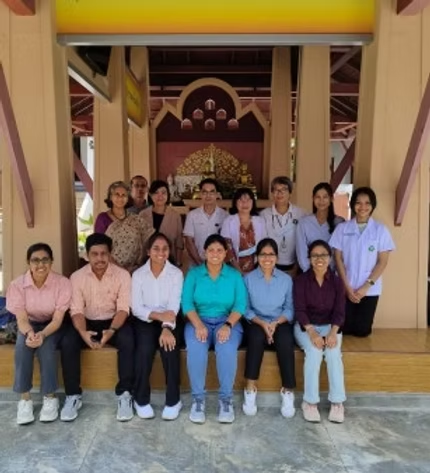
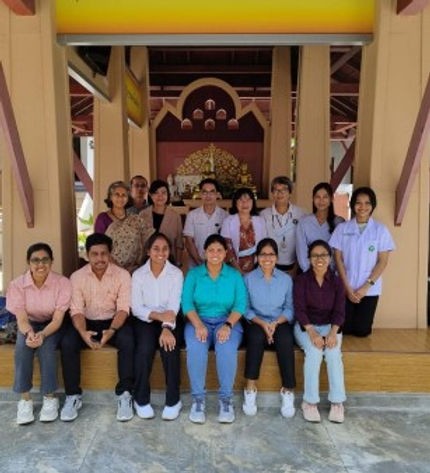
My very first international study trip led me to Thailand, opening doors to a new world of knowledge and culture. The trip was centered around Thai traditional medicine, a field deeply intertwined with Ayurveda, the ancient Indian system of healing.
As Buddhism spread from India to Thailand, it carried with it the principles and treatments of Ayurveda. These principles merged with Thailand's local healing traditions, giving rise to Thai traditional medicine. This fusion highlighted the universal applicability of Ayurveda and deepened my appreciation for its practices, which have the potential to benefit a global audience.
One of the fascinating aspects of our trip was gaining insights into how history, notably the epic Ramayana, is interpreted differently in Thailand compared to the Indian perspective. This revelation expanded my understanding of cultural diversity and the multiple ways in which stories and traditions are handed down through generations.
Our exploration extended beyond traditional medicine to public health policies. Thailand is the world's largest Ministry of Public Health, and remarkably, over 90% of its population enjoys the benefits of universal health coverage. This success story shed light on the need for accessible and inclusive public health systems to address the healthcare needs of a nation.
The warm hospitality of the Thai people made the trip exceptional. Their inclusiveness and respect for all systems of medicine left a lasting impression on me. It was a journey of discovery, not just into the world of traditional medicine but also into the hearts and minds of the Thai people, and for that, I am truly thankful.
Above all, this study trip reaffirmed the importance of exchange programs and study trips in broadening our horizons. They provide invaluable exposure to the world and encourage us to think more openly about global healthcare needs. I'm immensely grateful to TDU and the organizers for making this journey possible.
Acting Locally for Global Impact: Reimagining PBRs by Integrating Ecosystem Services
The theme of the International Day for Biological Diversity 2026—“Acting locally for global impact”—is a powerful reminder that global ecological security relies fundamentally on local ecosystems.
Read more
International Day of Forests 2026
Forests are not just natural assets - they are economic lifelines and knowledge systems. Nurturing them is essential for a sustainable and prosperous future for people and planet
Read more
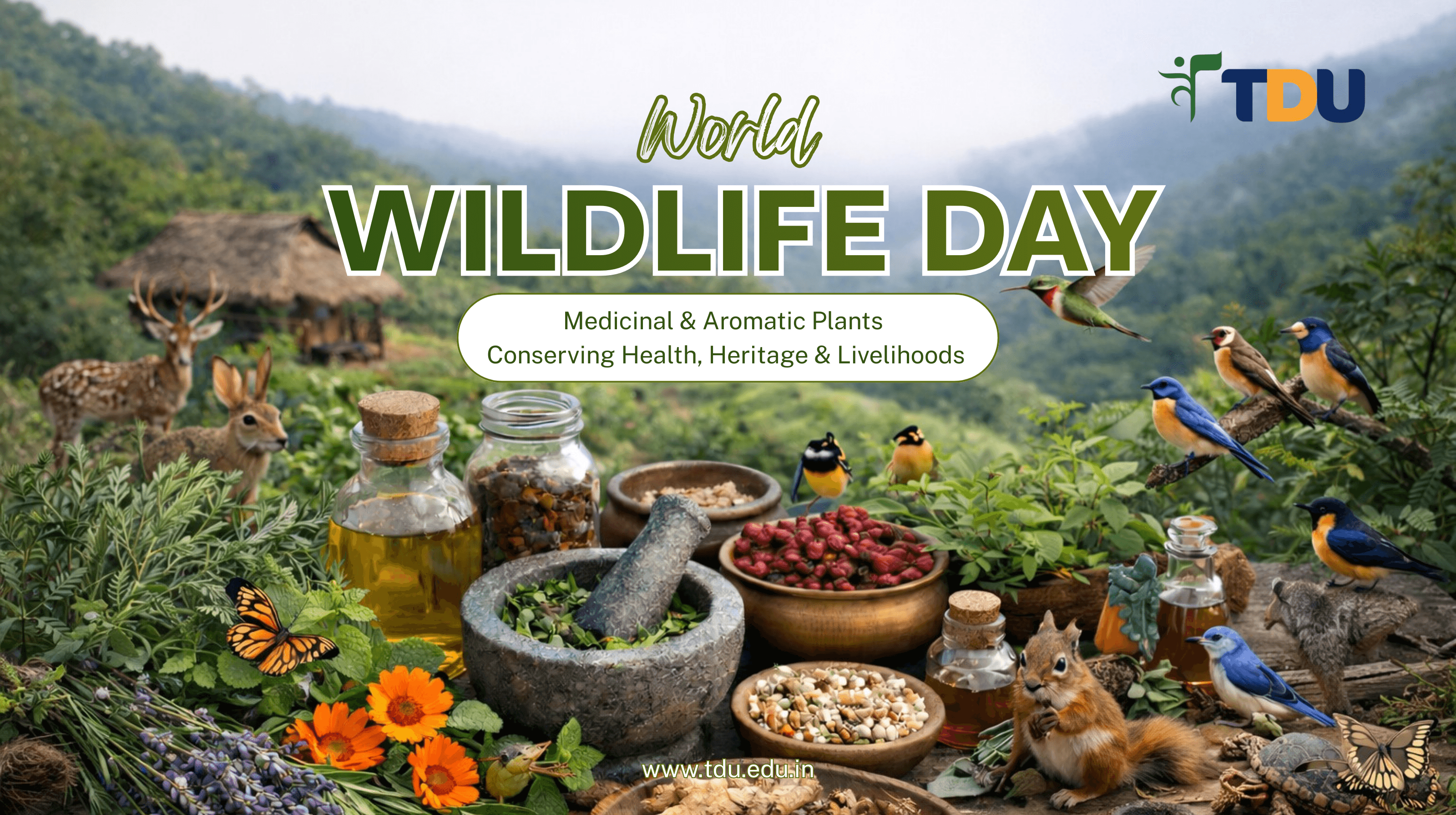
World Wildlife Day 2026
The University of Transdisciplinary Health Sciences and Technology (TDU) Calls for Action to Conserve Medicinal and Aromatic Plants for Health, Heritage and Livelihoods
Read more
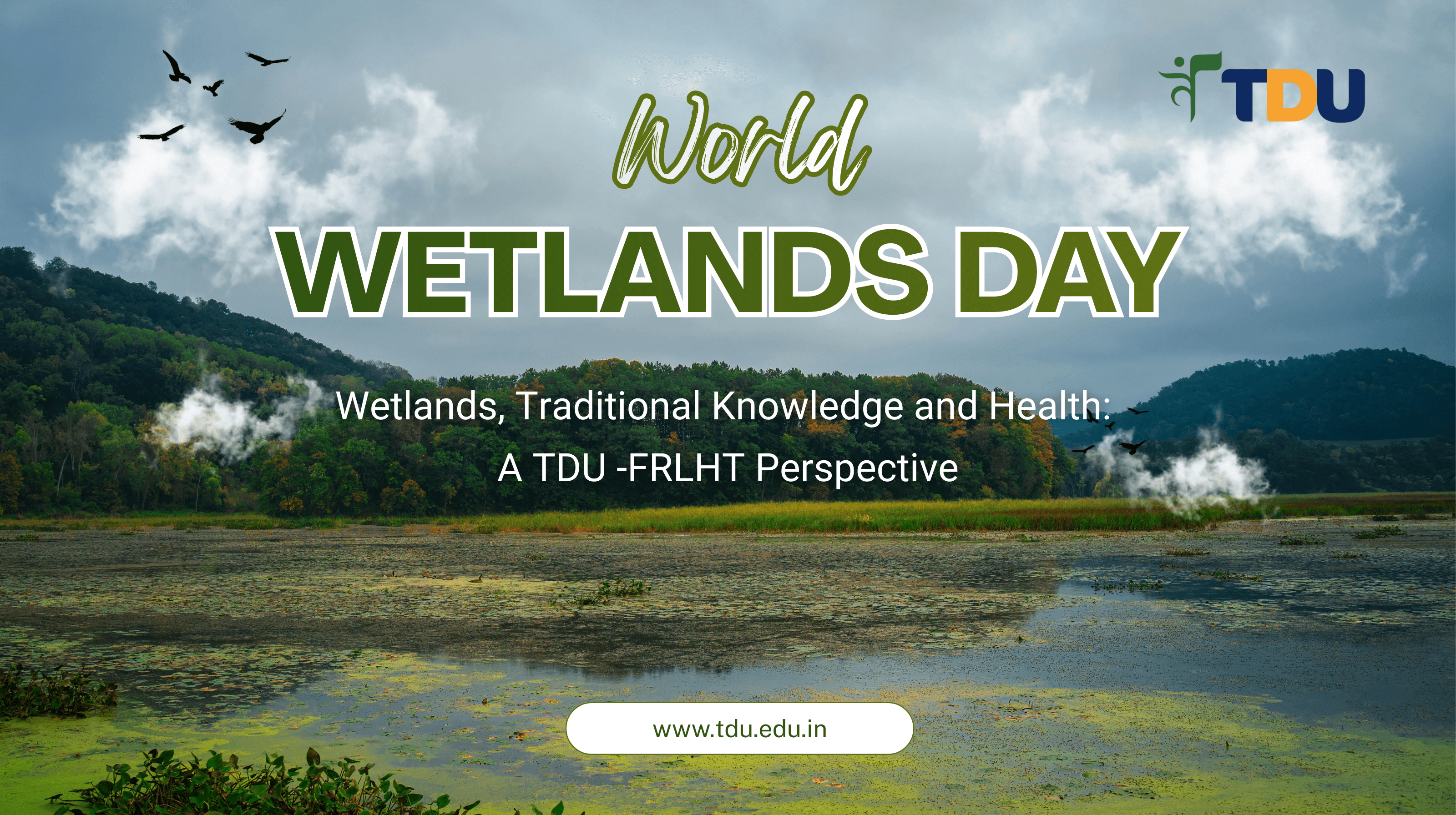
Wetlands, Traditional Knowledge and Health : A TDU - FRLHT Perspective
Wetlands are dynamic ecosystems where water meets land, creating rich habitats that support biodiversity, water security, climate resilience and cultural heritage. Observed annually on 2 February, World Wetlands Day commemorates the adoption of the Ramsar Convention (1971) and underscores the essential role wetlands play for both nature and people worldwide.
Read more
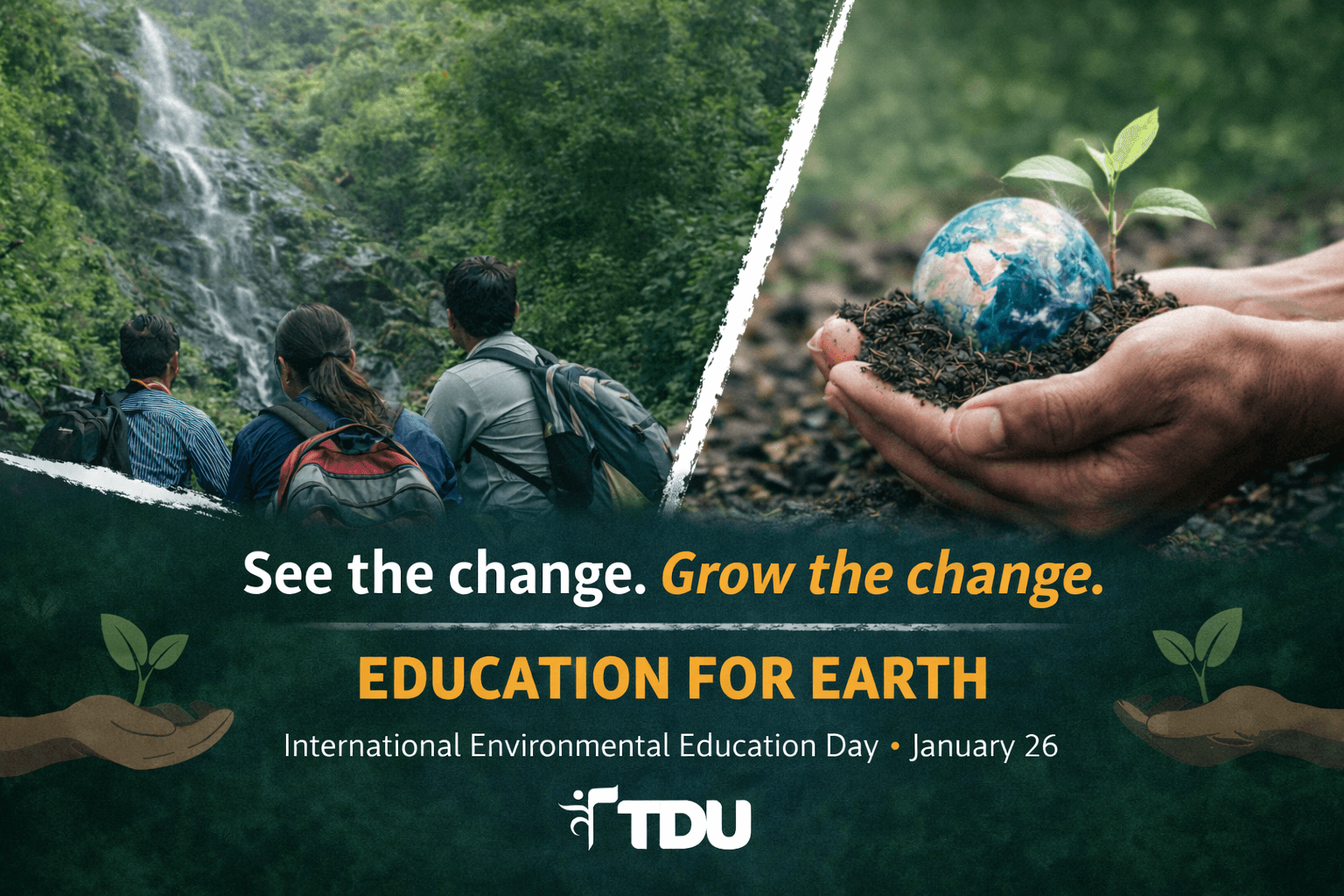
International Environmental Education Day (January 26)
On International Environmental Education Day (January 26), we are reminded of a powerful truth: The future of our planet depends on what and how we teach today.
Read more
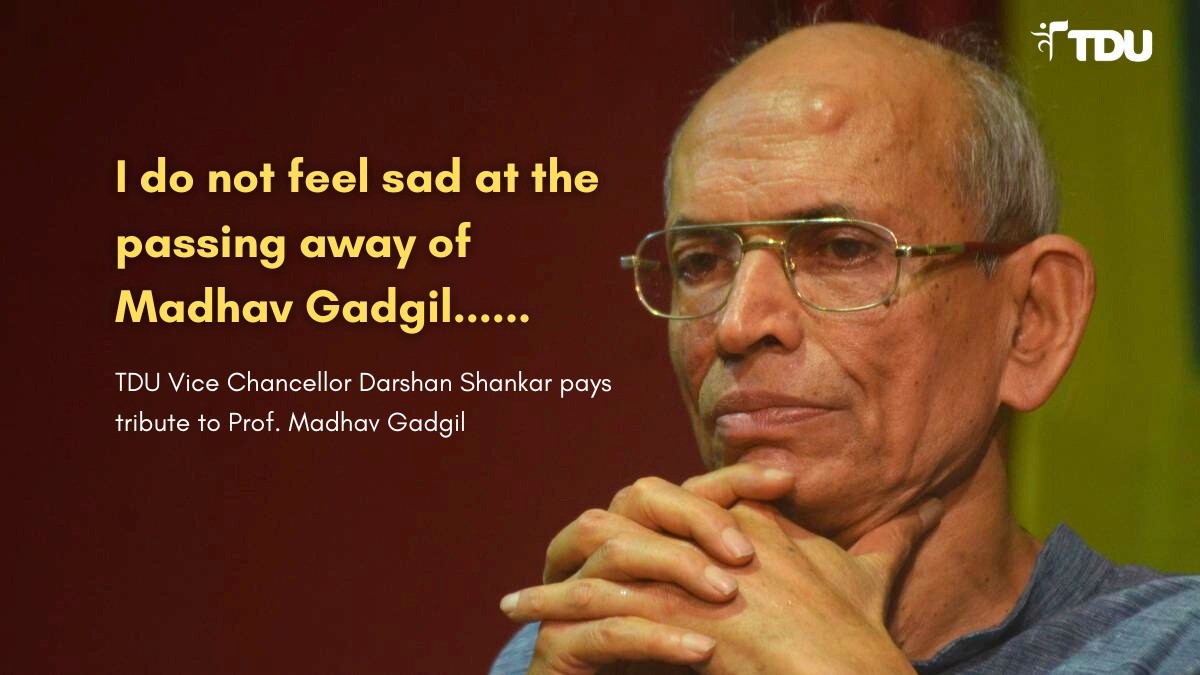
TDU VC Darshan Shankar pays tribute to Prof. Madhav Gadgil
Read more
