

Every packet has a story – the label tells the truth
When you go shopping for snacks, juices, noodles, or chocolates, the first thing that usually catches your eye is the colorful packet, the bold brand name, or maybe a tempting picture of the food. But behind all that marketing lies the real truth – and that truth is written in the food label

Most people ignore food labels, thinking they are too complicated or unnecessary. But food labels are actually one of the simplest tools we have to protect our health.
They act like the ID card of food – telling us what’s inside, how nutritious it is, and whether it is safe to eat
What Exactly is a Food Label?
A food label is the printed information found on packaged foods. In India, the Food Safety and Standards Authority of India (FSSAI) makes it mandatory for food companies to provide this information clearly. This is not just a formality – it helps every consumer make safe and informed choices.
What Do Food Labels Contain?
1. Ingredients List
- This shows every ingredient used in the product, listed in order of quantity.
- Example: If sugar is listed first in a juice, it means there’s more sugar than fruit juice.
2. Nutrition Facts
- A table that tells us the calories, protein, fat, sugar, and salt content.
- This helps compare two snacks and choose the healthier option.
3. Allergen Information
- Some people are allergic to milk, peanuts, soy, or gluten. Labels must clearly mention if these are present.
4. Expiry Date or Best Before Date
- Essential for knowing how long a food is safe to eat. Eating expired food can cause food poisoning.
5. FSSAI Logo and License Number
- Proof that the food has been checked and approved for safety.
Why Should We Care?
- To avoid hidden sugars and fats: Many “healthy” drinks or biscuits may actually be loaded with sugar or oil. The label exposes the truth.
- For people with health conditions: Diabetics can check sugar content, while those with high blood pressure can watch sodium (salt) levels.
- For parents: They can pick snacks with less fat and salt for their children.
- For allergy safety: A small allergen warning can prevent a life-threatening reaction.
Smart Tips for Reading Labels
- Don’t believe marketing words like “natural,” “low-fat,” or “organic” without checking the nutrition facts.
- Compare similar products and choose the one with less sugar, less salt, and more fiber.
- Always check the expiry date before buying.
Real-Life Example
Imagine two packets of juice. One says “100% Natural” and another looks plain. But when you read the labels, the “natural” one has sugar listed as the first ingredient, while the plain one actually has real fruit juice and less sugar. Without reading the label, you’d never know which is better for your health.
Final Thought
Food labels may look boring, but they are powerful. They protect us from hidden dangers in our food and guide us toward healthier choices. Next time you pick up a packet of chips, biscuits, or juice, take a moment to flip it over and read the label.
Because at the end of the day, every packet has a story – and the label tells the truth
Author :
Haribabu Kothakota
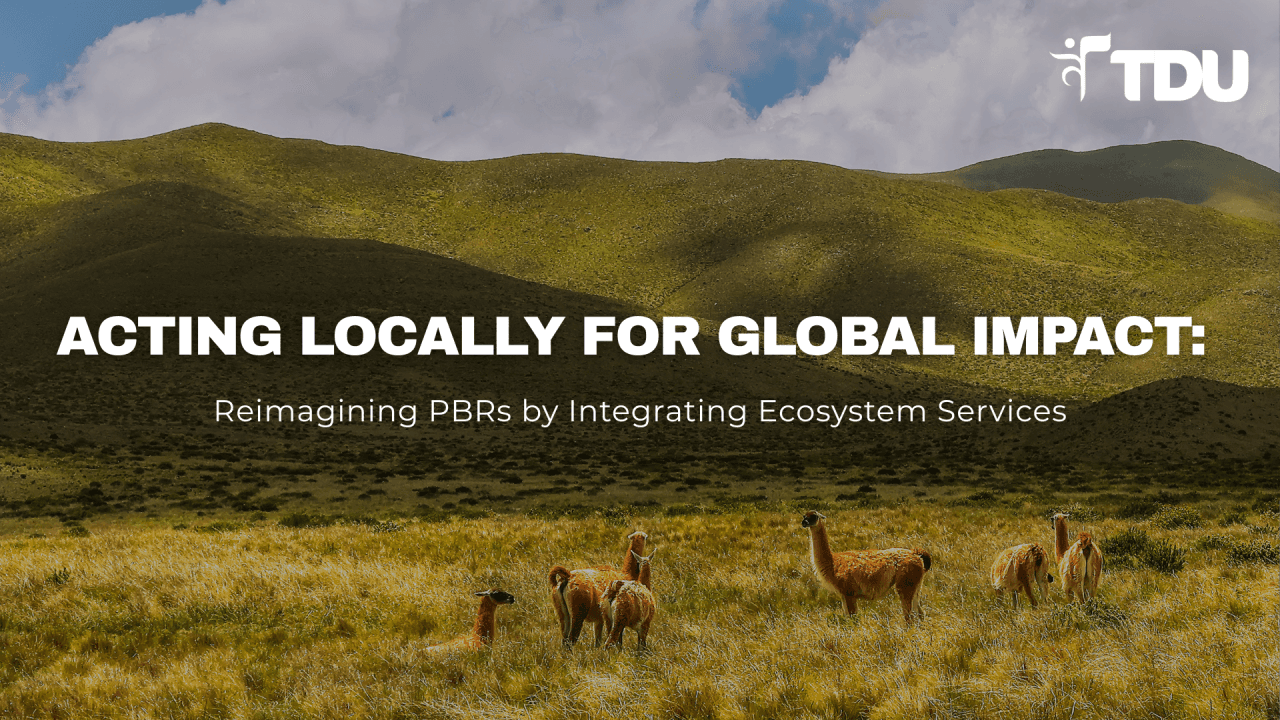
Acting Locally for Global Impact: Reimagining PBRs by Integrating Ecosystem Services
The theme of the International Day for Biological Diversity 2026—“Acting locally for global impact”—is a powerful reminder that global ecological security relies fundamentally on local ecosystems.
Read more
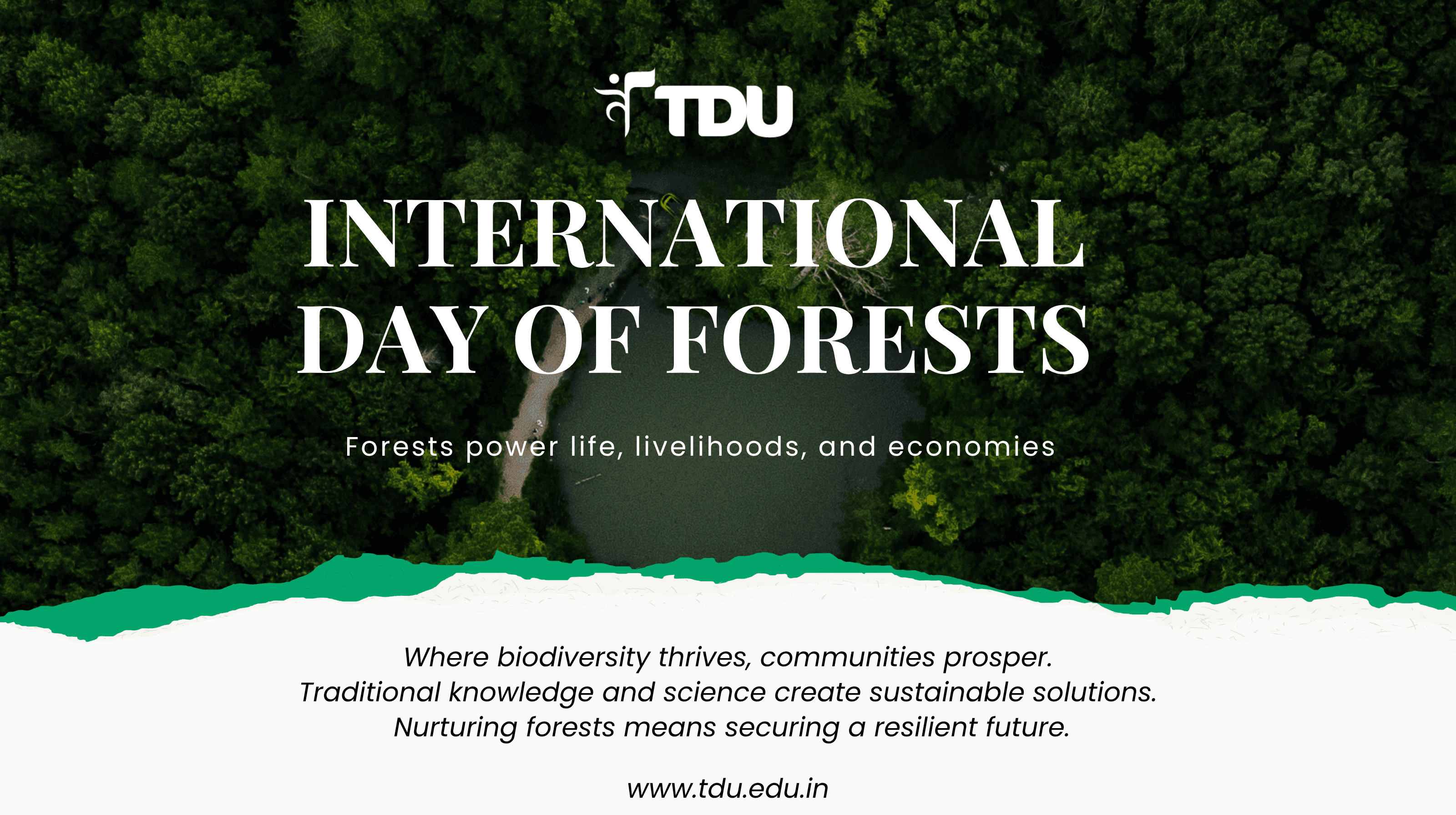
International Day of Forests 2026
Forests are not just natural assets - they are economic lifelines and knowledge systems. Nurturing them is essential for a sustainable and prosperous future for people and planet
Read more

World Wildlife Day 2026
The University of Transdisciplinary Health Sciences and Technology (TDU) Calls for Action to Conserve Medicinal and Aromatic Plants for Health, Heritage and Livelihoods
Read more
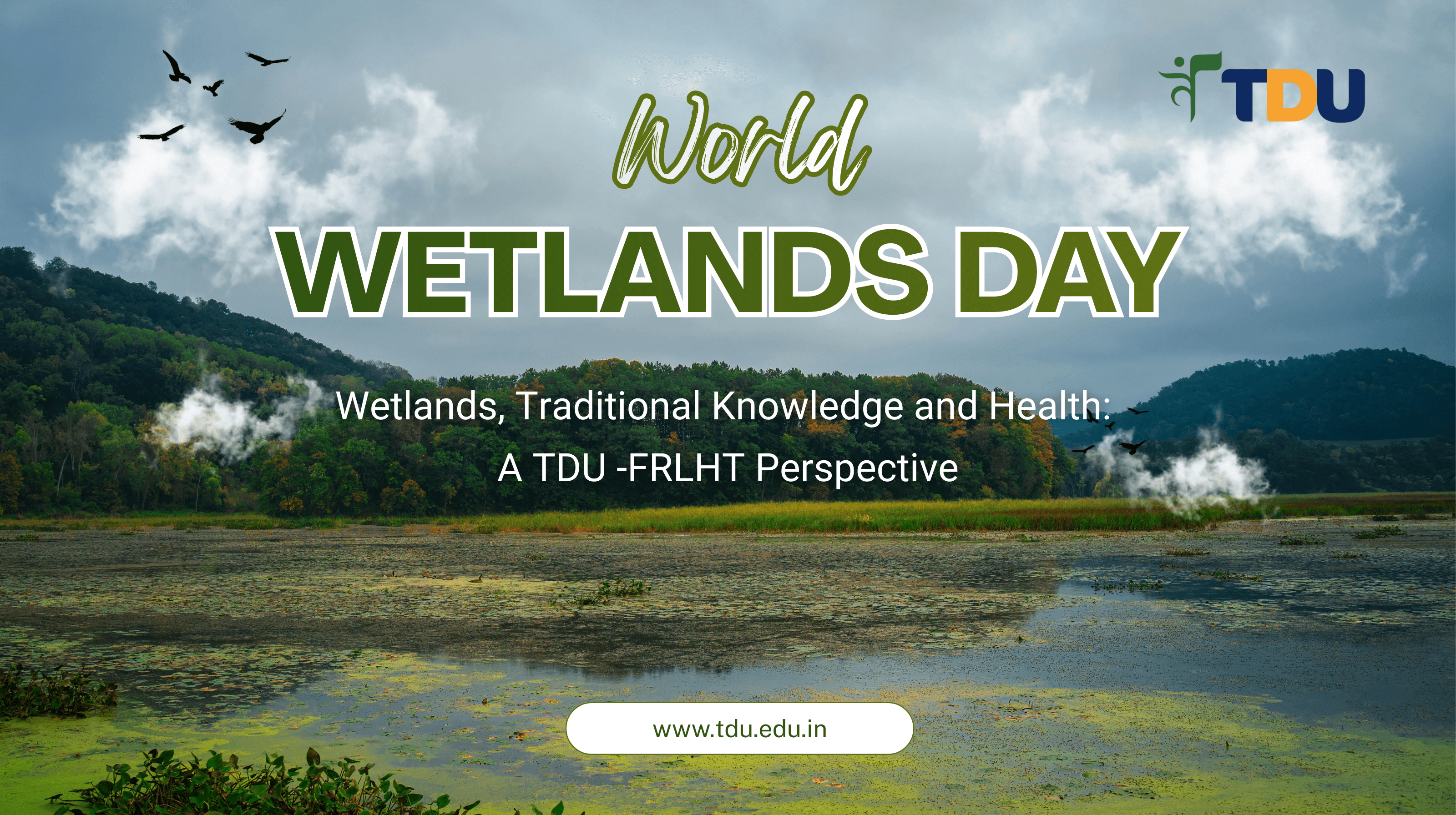
Wetlands, Traditional Knowledge and Health : A TDU - FRLHT Perspective
Wetlands are dynamic ecosystems where water meets land, creating rich habitats that support biodiversity, water security, climate resilience and cultural heritage. Observed annually on 2 February, World Wetlands Day commemorates the adoption of the Ramsar Convention (1971) and underscores the essential role wetlands play for both nature and people worldwide.
Read more

International Environmental Education Day (January 26)
On International Environmental Education Day (January 26), we are reminded of a powerful truth: The future of our planet depends on what and how we teach today.
Read more

TDU VC Darshan Shankar pays tribute to Prof. Madhav Gadgil
Read more
