

Ayurveda on Sleep Timing
Our Indian traditional system of medicine, Ayurveda teaches sleeping early and waking with nature keeps the body in balance. Modern science agrees that sleeping before 10 pm supports natural cycles for better metabolism and mind
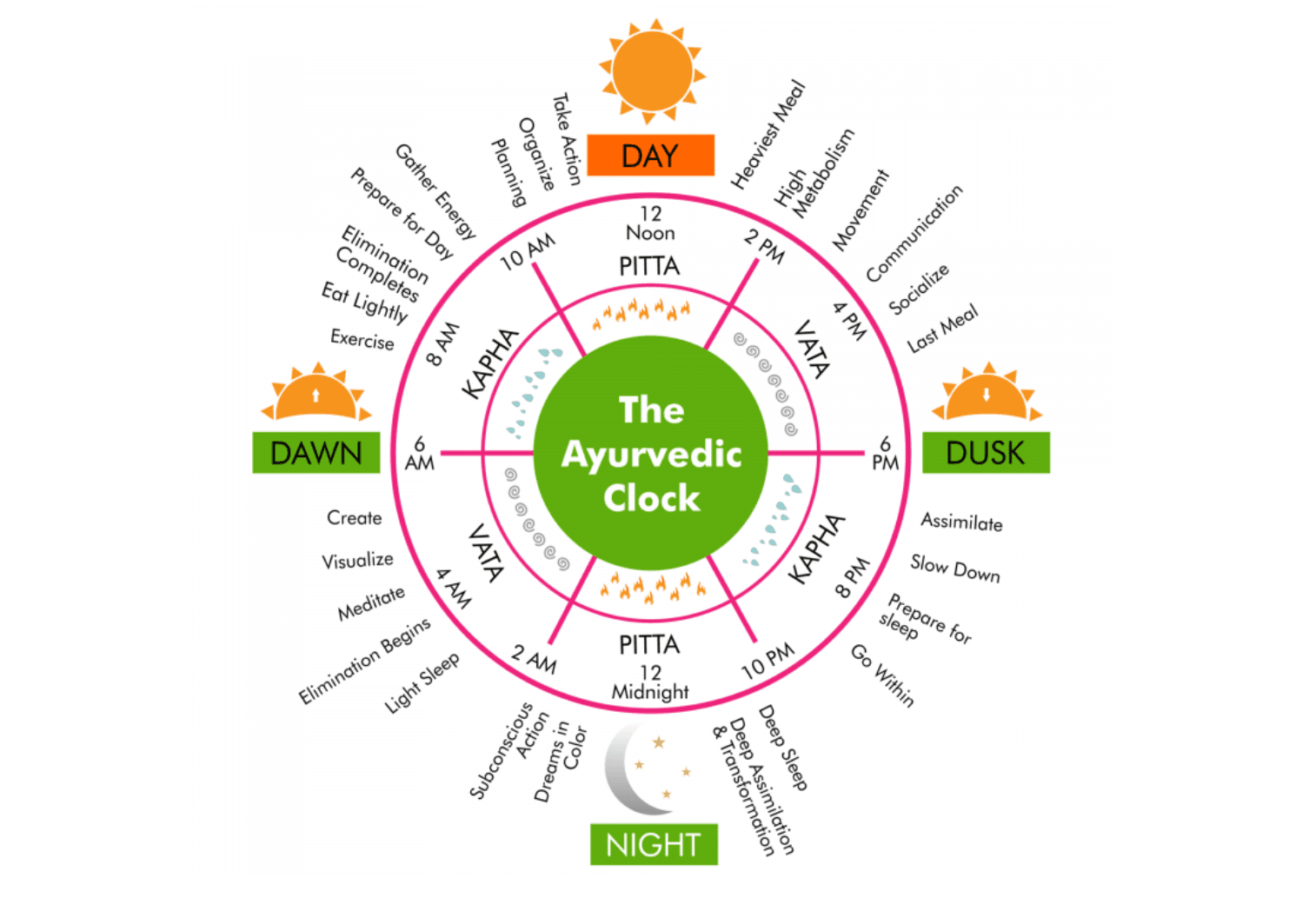
Ayurveda considers sleep as one of the three pillars of health, along with food (ahara) and a brahmacharya. The ideal time to sleep is before 10 PM, during the Kapha period of the night (6 PM – 10 PM), when the body and mind are naturally prepared for rest. This aligns closely with modern chronobiology, which shows that melatonin secretion, the “sleep hormone” , begins to rise and peaks at midnight. Going to bed early helps the body sync with this natural rise and leads to deeper sleep.
Again the nighttime is when the body resets and repairs itself. During deep sleep, growth hormone is released, which helps in tissue repair and muscle recovery. Melatonin not only regulates the sleep wake cycle but also acts as an antioxidant, reducing oxidative stress. Cortisol, the “stress hormone,” naturally drops during the night, giving the mind a chance to rest, clearing waste products (ama) from tissues and balancing doshas.
When sleep is delayed or disturbed, this repair process is incomplete, leading to hormonal imbalance. Studies have shown that late-night sleep disrupts insulin sensitivity, increasing the risk of weight gain, metabolic syndrome. Ayurveda explains this as accumulation of ama and disturbance of agni (digestive fire), resulting in slow metabolism and lower vitality.
Ayurveda advises healthy people to avoid sleeping during the day (divaswapna) because it makes the body feel heavy and slows down digestion. When you sleep in the daytime, your body’s natural rhythm gets disturbed. According to Ayurveda, this increases Kapha, the energy responsible for calmness and structure, but in excess, it causes laziness, mucus build-up, and slow metabolism. Modern science also agrees that long daytime naps can confuse your body clock and reduce how well your body uses sugar, which may lead to weight gain and lifestyle diseases like diabetes if it becomes a habit. Ayurveda makes exceptions for people who are sick, very tired or elderly. For most healthy people, staying awake and active in the day and sleeping early at night helps keep digestion strong, energy levels high, and the mind fresh.
The good news is that both Ayurveda and modern science offer simple solutions to restore a healthy sleep cycle. Ayurveda recommends practical routines such as having an early, light dinner and bright lights after sunset, and doing gentle activities like listening to calming music or practicing meditation.
A traditional tip is padabhyanga, a warm oil massage of the feet before bed which soothes the nervous system and promotes good sleep. Modern research supports these habits, showing that reducing evening light exposure increases natural melatonin production, and a consistent bedtime improves sleep quality.
For people who struggle with sleep timing, understanding their chronotype can help night owls to gradually shift bedtime earlier by 15–30 minutes each day, while early risers can ensure they get enough rest hours. Whether explained through doshas or circadian rhythms, the message is clear: good quality, timely sleep is essential for hormonal balance, mental clarity, and a healthy metabolism.
Conclusion
Aligning sleep patterns with nature’s rhythm nourishes both body and mind. Ayurveda and modern science together emphasize early sleep, calm evenings, and regular routines for hormonal harmony. Consistency is key, sleeping and waking at fixed times fosters stability in doshas, strengthens immunity, and enhances overall vitality for lifelong wellness.
Thank you for reading
Author :
Dr Ameen Nalakath

Acting Locally for Global Impact: Reimagining PBRs by Integrating Ecosystem Services
The theme of the International Day for Biological Diversity 2026—“Acting locally for global impact”—is a powerful reminder that global ecological security relies fundamentally on local ecosystems.
Read more
International Day of Forests 2026
Forests are not just natural assets - they are economic lifelines and knowledge systems. Nurturing them is essential for a sustainable and prosperous future for people and planet
Read more

World Wildlife Day 2026
The University of Transdisciplinary Health Sciences and Technology (TDU) Calls for Action to Conserve Medicinal and Aromatic Plants for Health, Heritage and Livelihoods
Read more

Wetlands, Traditional Knowledge and Health : A TDU - FRLHT Perspective
Wetlands are dynamic ecosystems where water meets land, creating rich habitats that support biodiversity, water security, climate resilience and cultural heritage. Observed annually on 2 February, World Wetlands Day commemorates the adoption of the Ramsar Convention (1971) and underscores the essential role wetlands play for both nature and people worldwide.
Read more

International Environmental Education Day (January 26)
On International Environmental Education Day (January 26), we are reminded of a powerful truth: The future of our planet depends on what and how we teach today.
Read more

TDU VC Darshan Shankar pays tribute to Prof. Madhav Gadgil
Read more
