

A Quick Glimpse into the Japan Training Program by Souravh Thakur (MSc LS AB Student)
Day 1 and Day 2: We started our travel from Mumbai to Japan with a transient stop in Singapore for 14 hours. Thanks to our friend Dr. Varsha, we were able to spend a nice time in Singapore and visited many places in Singapore with her little sister as a guide for us. We left Singapore at night and reached Narita International airport early in the morning. Thanks to Dr. Vishnu Prasad and Dr. Shrinivas, immigration at the Narita International airport became very easy as all the documents to be filled were told to us prior to our arrival, such as MY SOS which was very important to enter Japan.
After Reaching Japan, In the morning we took the bus to Tokyo station and from there we departed to Kanazawa city where our 1st day for the program would start.
Day 3: We went to Kanazawa University at Kanazawa which was conducting the program. There we met all the professors who were associated with this program, received our ID cards and were officially enrolled in the university for the next 10 days.
During the opening ceremony, we got a lecture from Dr. Aida Mammadova (Aida sansei) who briefed us about the program and told us about how this program is linked to SDGs goals.
Aida sansei also briefed us about Mount Hakusan, one of the 3 sacred mountains in the Japanese archipelago, and how Mount Hakusan biosphere reserve is divided into 3 zones: core zone, transition zone, and buffer zone.
Day 4: We left for Shiramine village from Kanazawa city. Reaching the village, we met one of the local residents from the Shiramine village (Boss san) who was our guide for the next 4 days in the village. For the next 4 days, he was our constant companion and took us to many places in the village and taught us about the traditions of Japanese culture and how the Japanese community helps in the conservation of natural resources in Mount Hakusan.
Day5-7: Exploring Traditional Japanese culture and learning about the SDGS:
For the next 4 days, Boss san exposed us to the traditional Japanese culture, Japanese food, their farming techniques and made us realize that how depopulation and movement of the population to the developed areas is leading to loss of traditional knowledge and culture.
Activities done during the stay in Shiramine:
Hiking in the foot hill of mount Hakusan
Taking bath in Hakusan hot spring SPA
Eating traditional Japanese food.
Visit to Hakusan museum
Fossil finding in dinosaur park
Learning about the alien species in the mount Hakusan.
Japanese Puppet show.
Introduction to Japanese traditional system (Kampo)
Day 8: We returned to Kanazawa City, attended the official closing ceremony and received the completion certificate from the program from the vice-president of the program. We also attended a lecture from Dr. Sasaki on the Kampo medicinal system.
Day 9: A visit to the Museum of Materia Medica at the University of Toyama was arranged, after which we left for Tokyo.
Day 10: We visited United Nation University. Several case studies toward the sustainable consumption and production were given, and the importance of the work done by RCE (Regional Centre for Expertise on Sustainable Development) was explained.
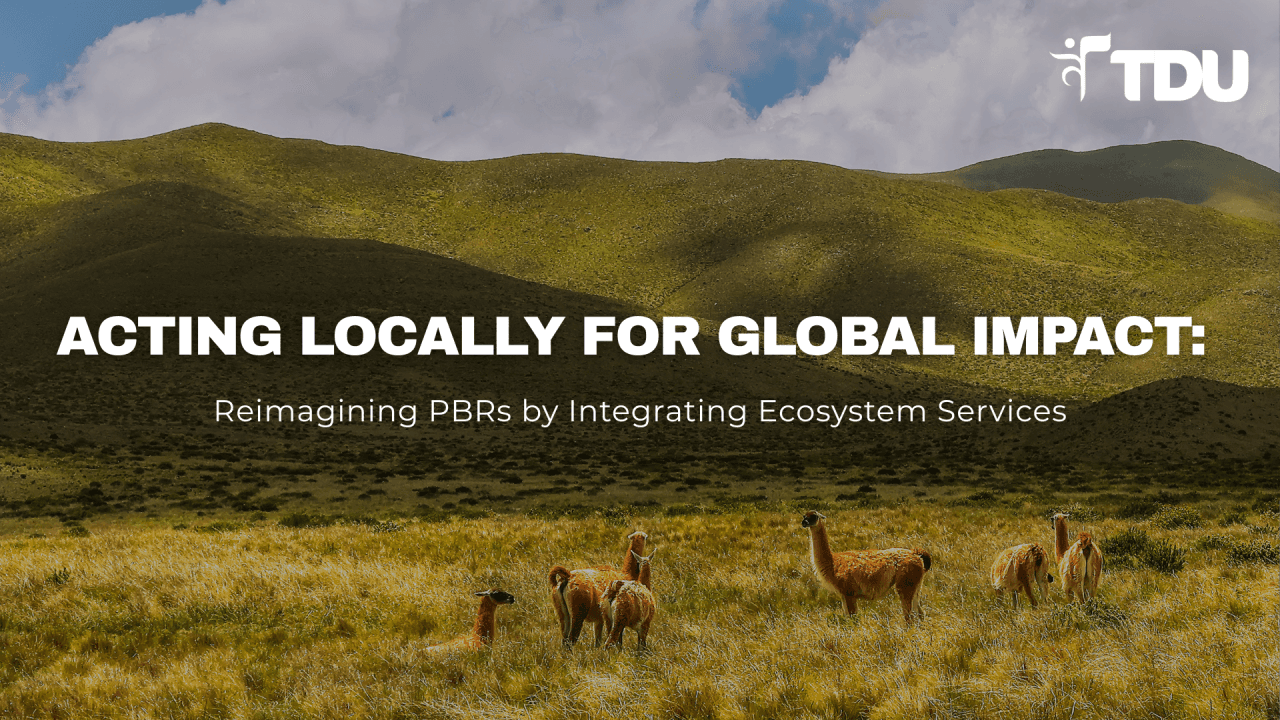
Acting Locally for Global Impact: Reimagining PBRs by Integrating Ecosystem Services
The theme of the International Day for Biological Diversity 2026—“Acting locally for global impact”—is a powerful reminder that global ecological security relies fundamentally on local ecosystems.
Read more
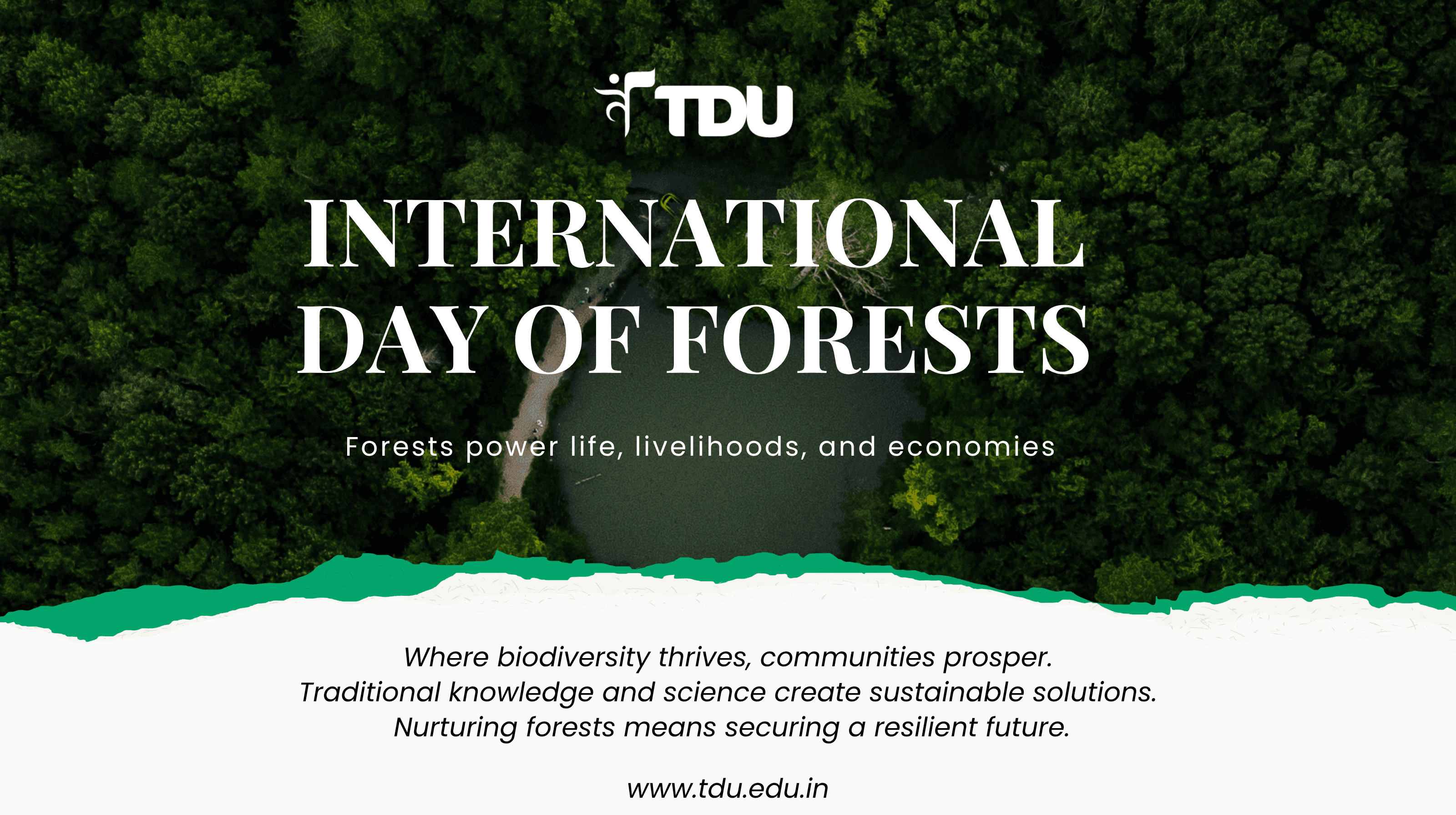
International Day of Forests 2026
Forests are not just natural assets - they are economic lifelines and knowledge systems. Nurturing them is essential for a sustainable and prosperous future for people and planet
Read more
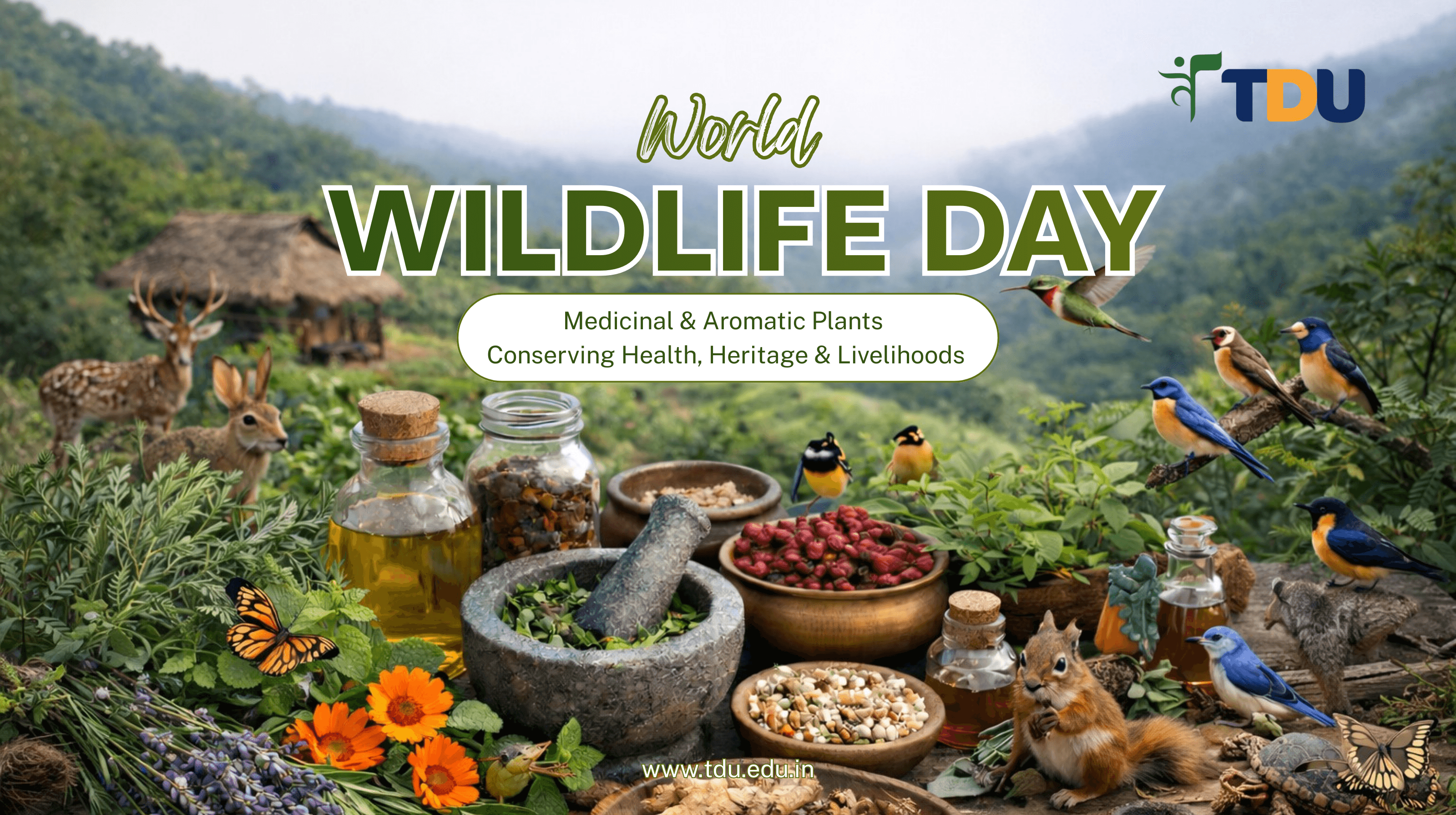
World Wildlife Day 2026
The University of Transdisciplinary Health Sciences and Technology (TDU) Calls for Action to Conserve Medicinal and Aromatic Plants for Health, Heritage and Livelihoods
Read more
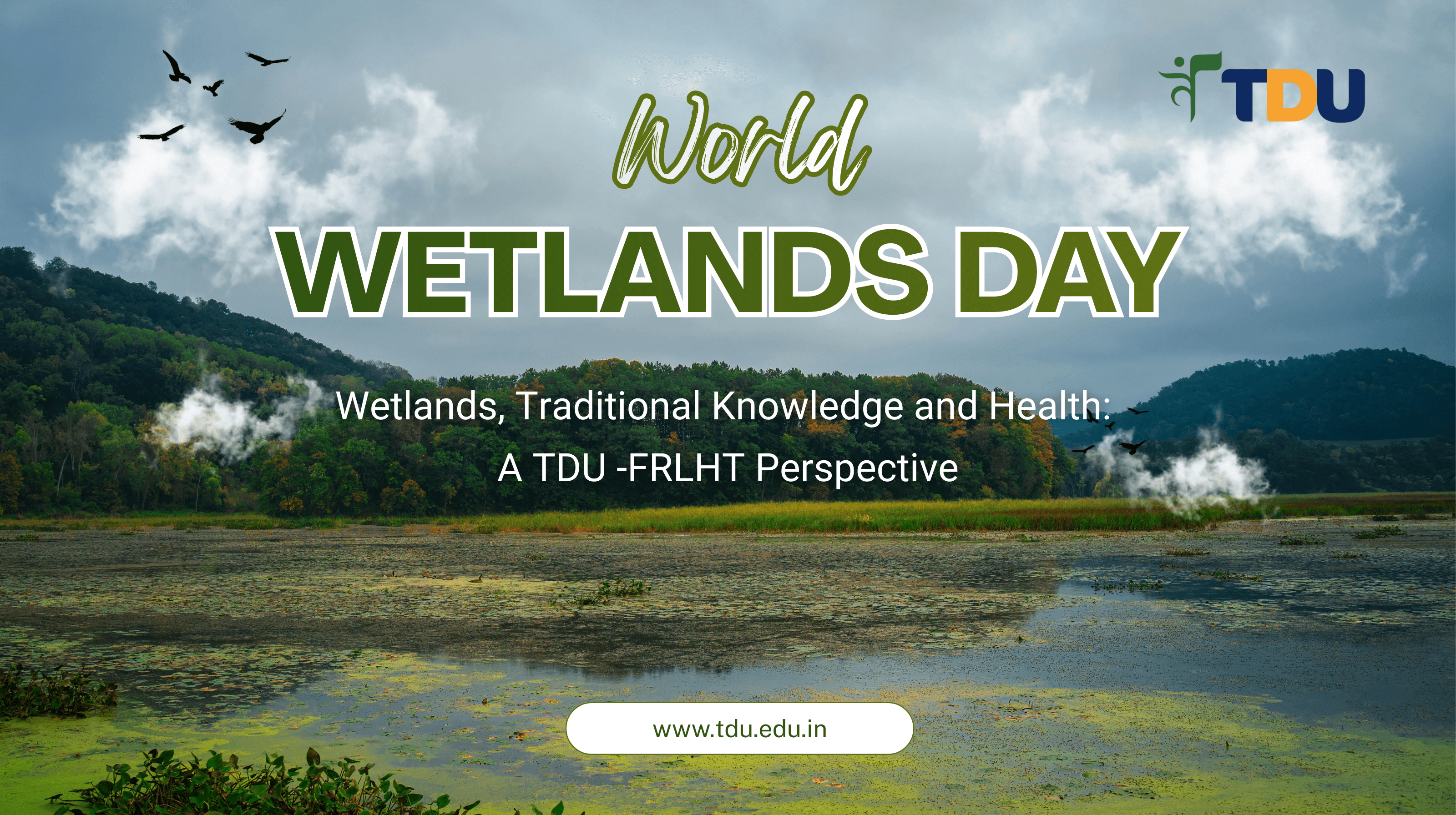
Wetlands, Traditional Knowledge and Health : A TDU - FRLHT Perspective
Wetlands are dynamic ecosystems where water meets land, creating rich habitats that support biodiversity, water security, climate resilience and cultural heritage. Observed annually on 2 February, World Wetlands Day commemorates the adoption of the Ramsar Convention (1971) and underscores the essential role wetlands play for both nature and people worldwide.
Read more

International Environmental Education Day (January 26)
On International Environmental Education Day (January 26), we are reminded of a powerful truth: The future of our planet depends on what and how we teach today.
Read more

TDU VC Darshan Shankar pays tribute to Prof. Madhav Gadgil
Read more
