

A Lookback at our visit to Japan by Asmita Dogra (M. Sc. LS AB student)
Japan has 10 biosphere reserves in total which follow three major principles i.e. preservation, sustainable development and research education network.

We left for Japan from Mumbai on 10th Oct, 2022, with a stopover in Singapore. We landed in Narita airport, Japan on 12 Oct, 2022. From Tokyo, we took the bullet train to Kanazawa City, a journey of around five hours.
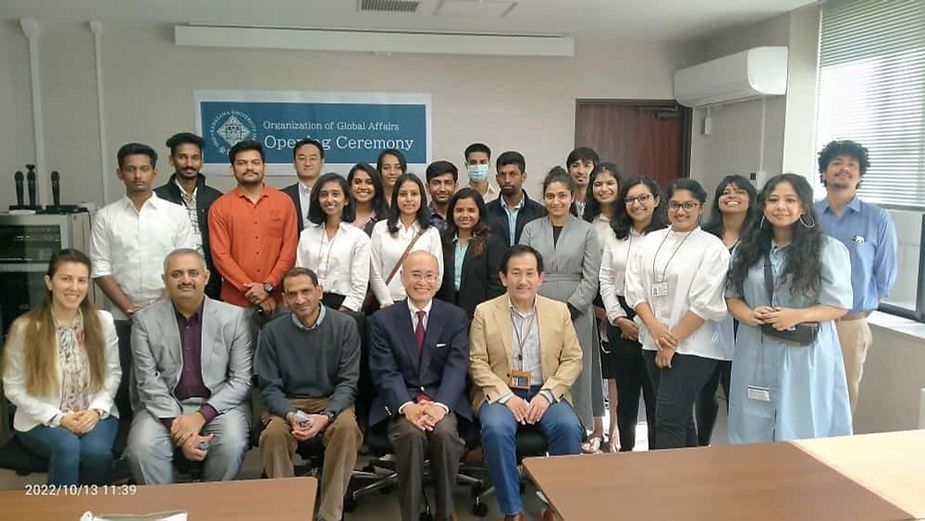
On 13 Oct, 2022, we went to Kanazawa University for our orientation program. We met Prof. Megumi Shimura, the Director of Organization of Global Affairs, and Prof. Akira Hota, the Vice Director of Organization of Global Affairs. Prof. Eida, an Associate Professor in Kanazawa University, gave us the basic idea of Japan’s Ishikawa prefecture and the places we would be visiting. Kanazawa University has departments related to conservation practice, cancer research and neuroscience research. Prof. Eida also told us that Kanazawa City is also known as the valley of gold as they develop the craft to design gold.
Japan has 10 biosphere reserves in total which follow three major principles i.e. preservation, sustainable development and research education network. They educated us about the issues faced by Japan’s biosphere reserves and then familiarized us with Mount Hakusan, one of the sacred mountains in Japan. Hakusan means White Mountain and is also considered as a woman goddess. Mount Hakusan Biosphere Reserve is one of the first biosphere reserves in Japan.
After that we left Kanazawa University and explored Kanazawa city. We saw a lot of pottery shops. We tried the local food named Kemphake in Kanazawa city in which they sprinkle gold and serve. We tried Japanese traditional vine known as Japanese Sake. It was an amazing experience.
We visited United Nation University’s institute in Kanazawa city. We got to know about the issues Japan is facing in case of conservation practices and to achieve sustainable developmental goals.
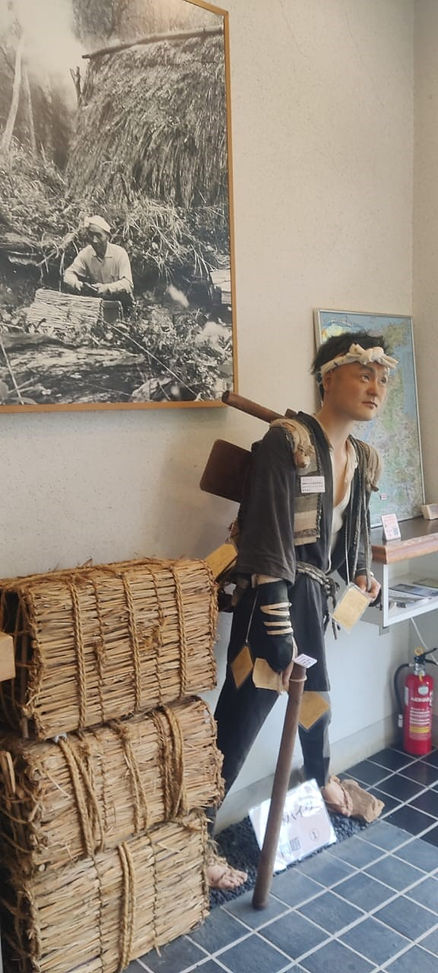
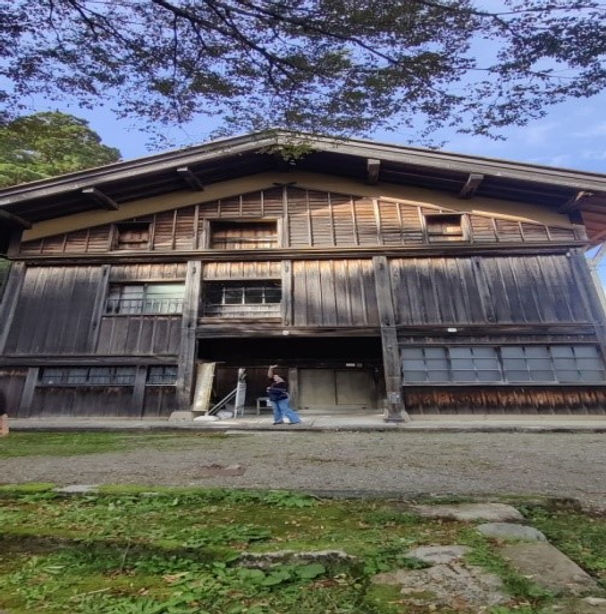
Next, we went to Shiramine village which was near to the Mount Hakusan Mountain. On our first day in Shiramine village we explored the culture of the Japanese people and the village. We saw samurai houses. We also had been to a museum of traditional Japanese culture which shows the history of Shiramine village and traditional houses in which people used to live previously. We also get to know Mr. Yutaro, the Mount Hakusan range officer who delivered a lecture about the history and the present state of Mount Hakusan.
On the second day of Shiramie village visit we saw some Ragi farms and also participated in ragi harvesting. The cultivation and the consumption of Ragi is totally different from India. Then we went to Oguchi village where we saw Japanese dolls and the puppets. They used to call them Deku Dolls which were used as an entertainment system in that village during old times. It was the culture of that village to host puppet shows but right now it hasdeclined. Then we went to Hakusan Dinosaur park Shiramine and we found some fossils there.
On the third day of Shiramine visit we explored one big rock which came through huge flood in Shiramine village. Then we went to a wasabi farm which was owned and run by a 92 year old man. Wasabi requires clean and fresh water to grow. And it is said that the water found in that farm is the best water found in Japan. Then we got to know about the alien spp. Found in Mount Hakusan and we joined a campaign of removing alien spp. We also get to know about the traditional medicine system of Japan i.e. Kampo medicine system. We met pharmacist Hirotake Naoda who uses Kampo medicine to treat their patients. So he told us about the history and origin of kampo medicine practice in Japan.

On the last day at Shiramine village, we saw some alpine plants found in Mount Hakusan and their conservation practices. We also got familiarized by the process of making Japanese clothes i.e. kimonos. Mostly the kimonos are made from the silk so we visited the silk factory and saw the whole process of making silk kimonos. We also got a chance to experience the weaving procedure and we made a small patch of cloth using the weaving machine.
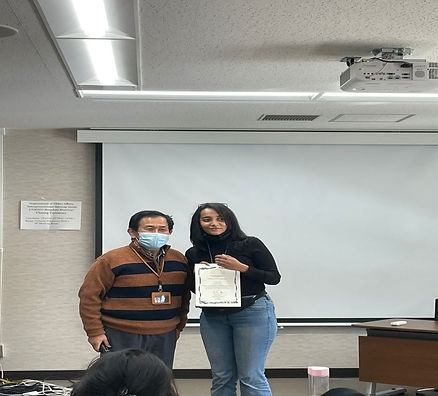
We headed back to Kanazawa University and we met Prof. Yohie Sasaki who is working on medicinal plants research. Kanazawa University has 39000 sq. metres of medicinal plant garden in which they have the medicinal plants used in kampo medicine system. This was the last day at Kanazawa University so we had a closing ceremony. We all got the certificates of completion of our courses.
After that, went to Toyama University- Institute of Natural Medicine. We saw the herbarium and the museum of material medica of raw drugs used in different countries. They have established two databases in which we can get all the knowledge about the medicinal plants and their uses. It includes all types of traditional medicine systems.
In Tokyo, we went to United Nations University. Their work is mostly on the sustainable management of landscapes and seascapes for biodiversity conservation and socio-economic development. In Japan they are doing a project named ‘SATOYAMA INITIATIVE’ which means to use old agricultural techniques in Japan so promote agriculture.
Every country has its good and bad aspects, but visiting Japan was really an amazing experience for us. It felt really good to meet the Japanese people, understand Japanese culture and also visit its universities.
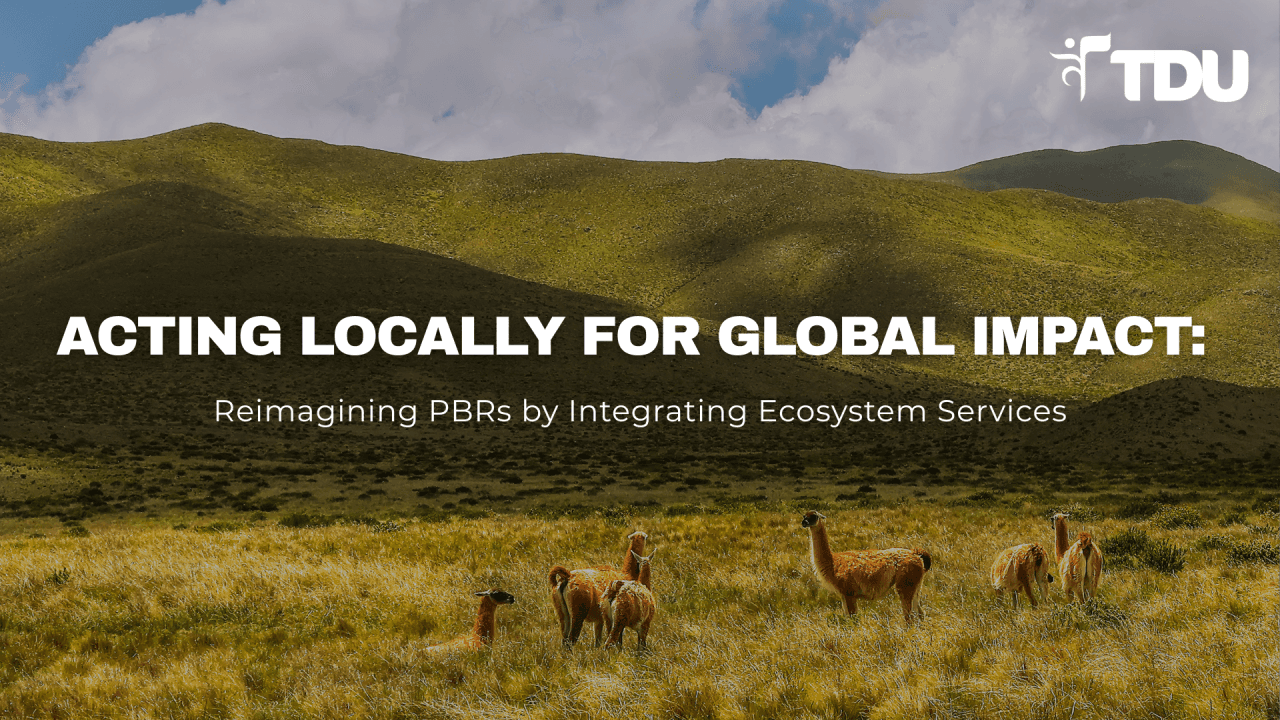
Acting Locally for Global Impact: Reimagining PBRs by Integrating Ecosystem Services
The theme of the International Day for Biological Diversity 2026—“Acting locally for global impact”—is a powerful reminder that global ecological security relies fundamentally on local ecosystems.
Read more
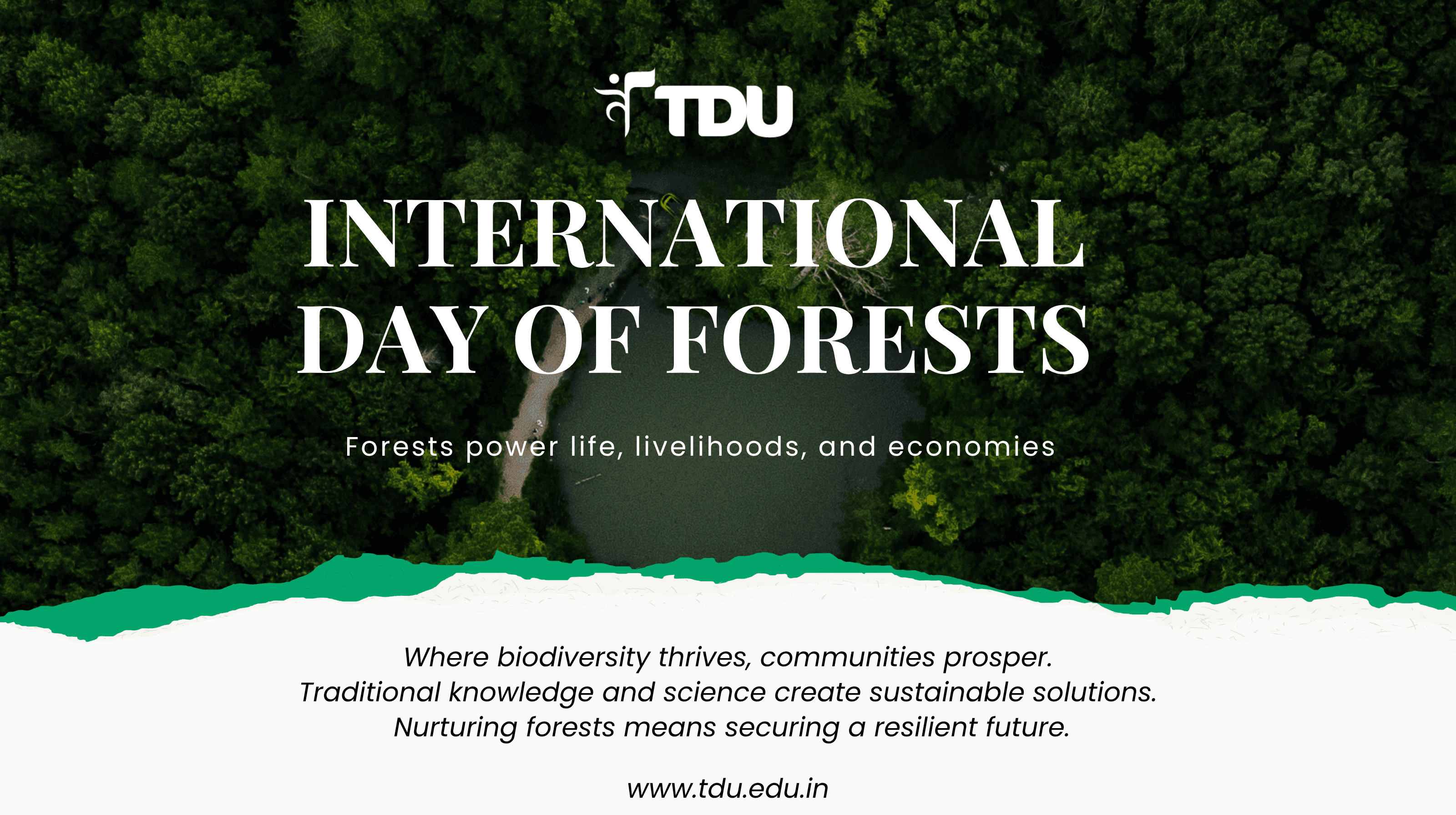
International Day of Forests 2026
Forests are not just natural assets - they are economic lifelines and knowledge systems. Nurturing them is essential for a sustainable and prosperous future for people and planet
Read more
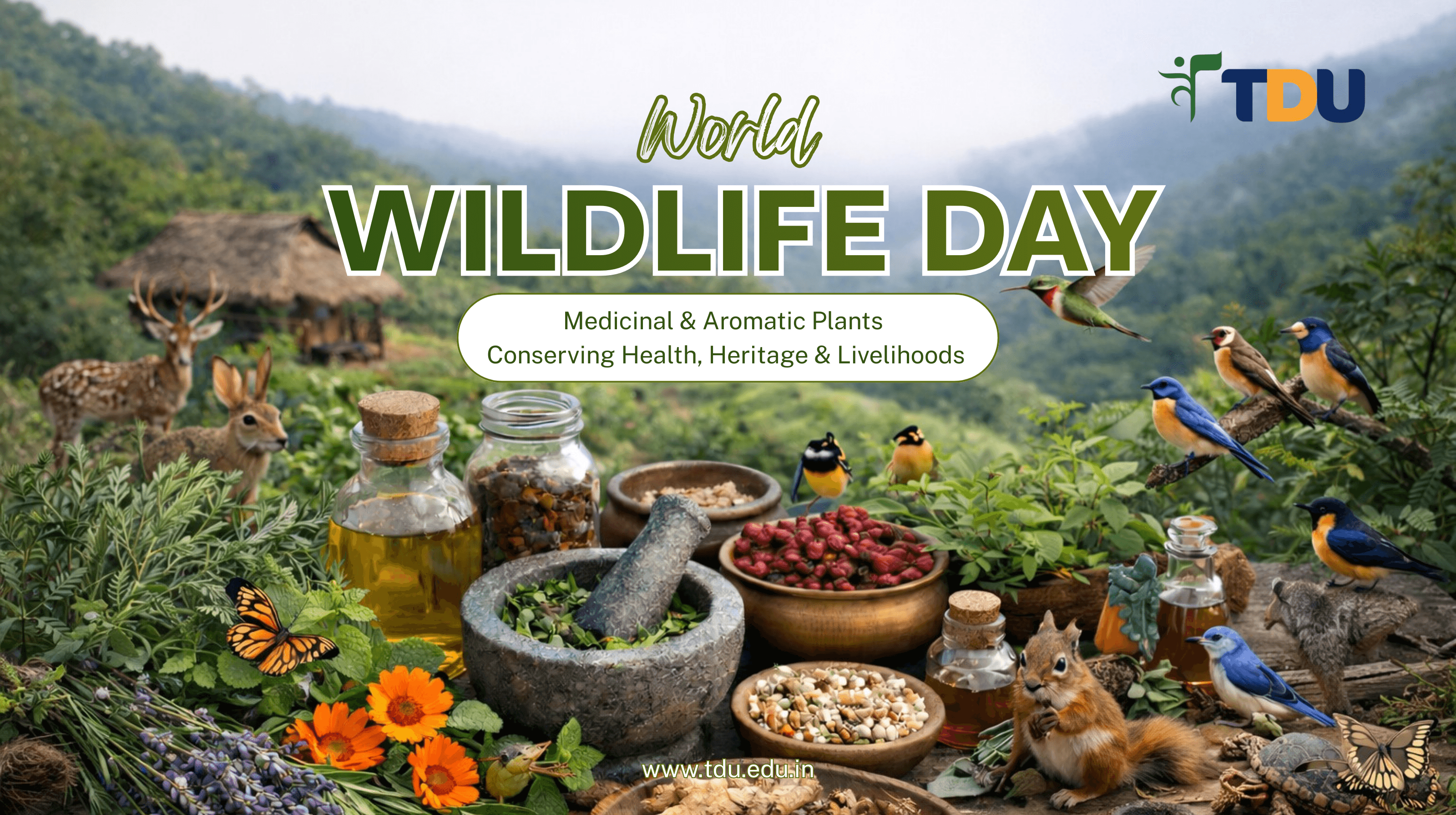
World Wildlife Day 2026
The University of Transdisciplinary Health Sciences and Technology (TDU) Calls for Action to Conserve Medicinal and Aromatic Plants for Health, Heritage and Livelihoods
Read more
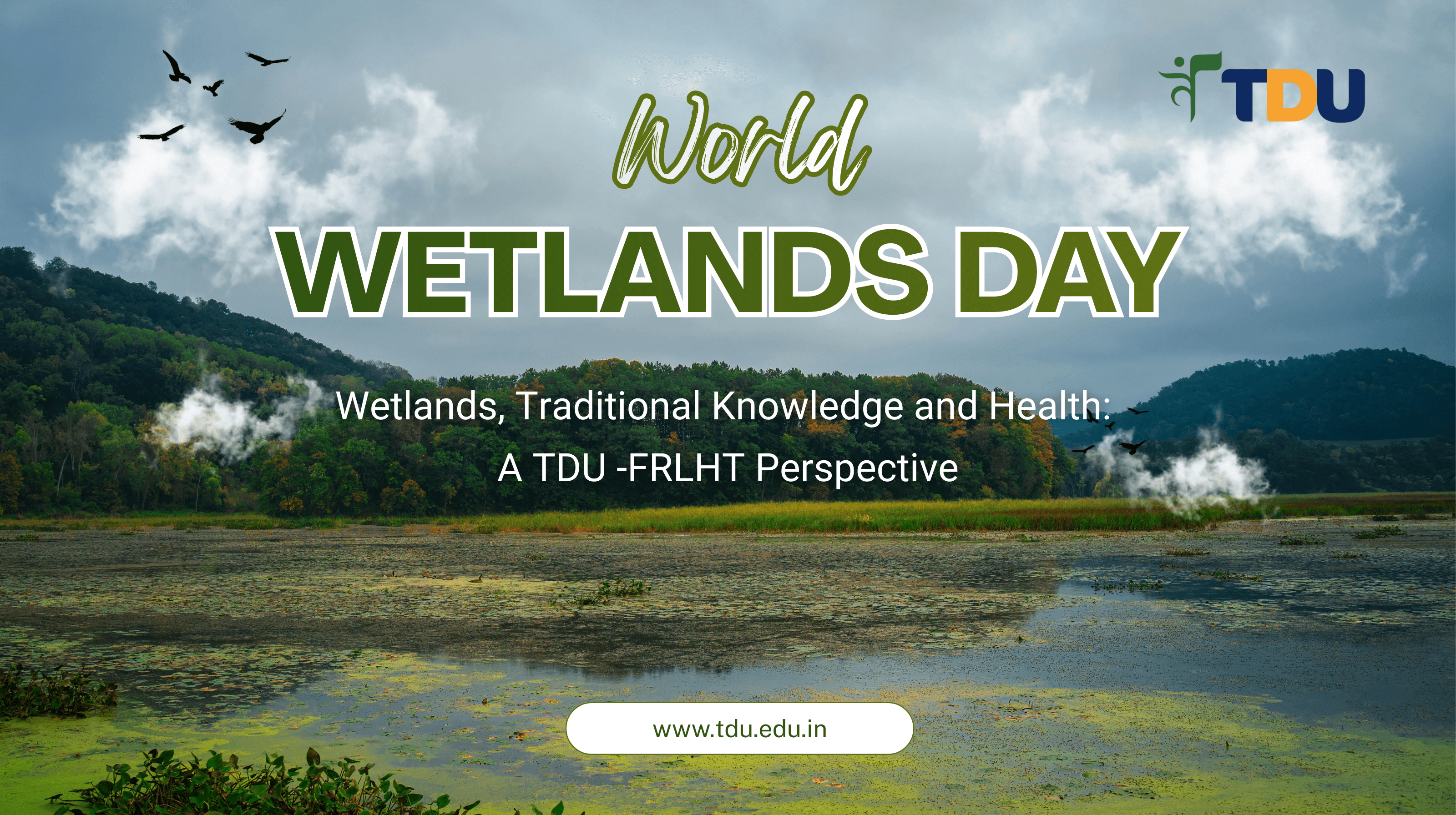
Wetlands, Traditional Knowledge and Health : A TDU - FRLHT Perspective
Wetlands are dynamic ecosystems where water meets land, creating rich habitats that support biodiversity, water security, climate resilience and cultural heritage. Observed annually on 2 February, World Wetlands Day commemorates the adoption of the Ramsar Convention (1971) and underscores the essential role wetlands play for both nature and people worldwide.
Read more

International Environmental Education Day (January 26)
On International Environmental Education Day (January 26), we are reminded of a powerful truth: The future of our planet depends on what and how we teach today.
Read more

TDU VC Darshan Shankar pays tribute to Prof. Madhav Gadgil
Read more
