

MoU signed with IKP Knowledge Park
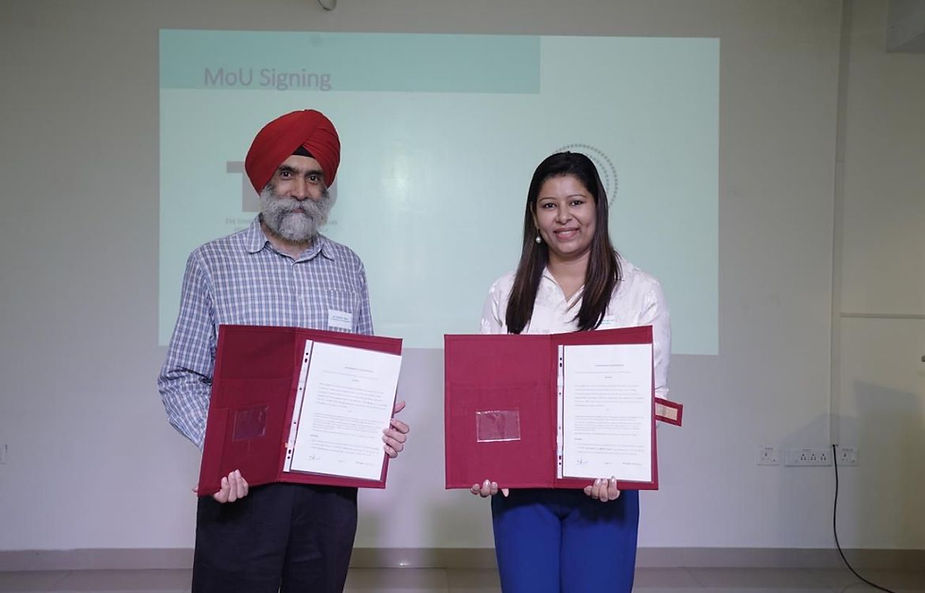
TDU and IKP Knowledge Park has signed an MoU that will enable to collaborate and build the Protein Futures together, to integrate diverse knowledge systems and foster holistic approaches to sustainability.
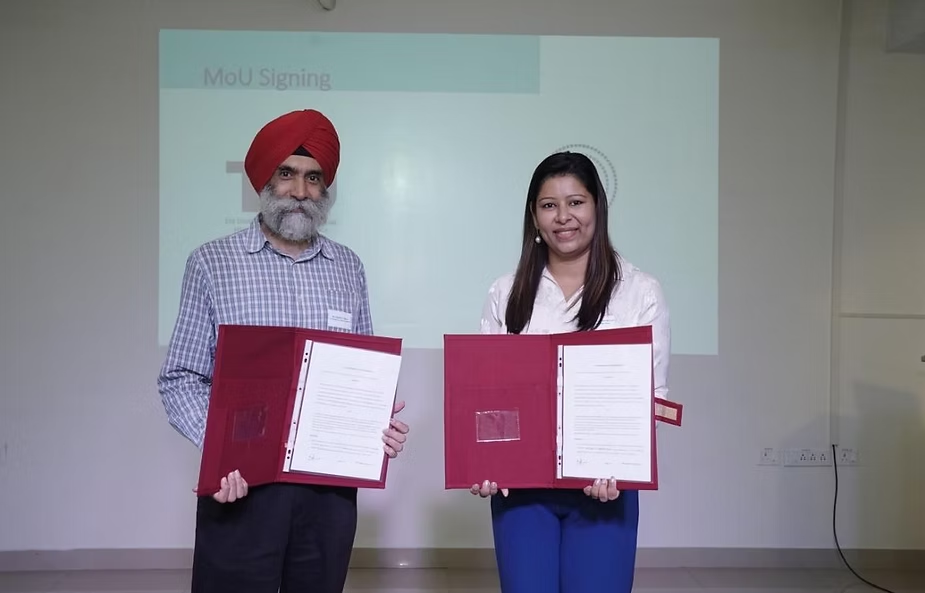
TDU and IKP Knowledge Park has signed an MoU that will enable both to collaborate and build the Protein Futures together, to integrate diverse knowledge systems and foster holistic approaches to sustainability.
Read more about the Smart Protein Innovation Centre in this article in The Hindu, one of India's leading English newspapers.
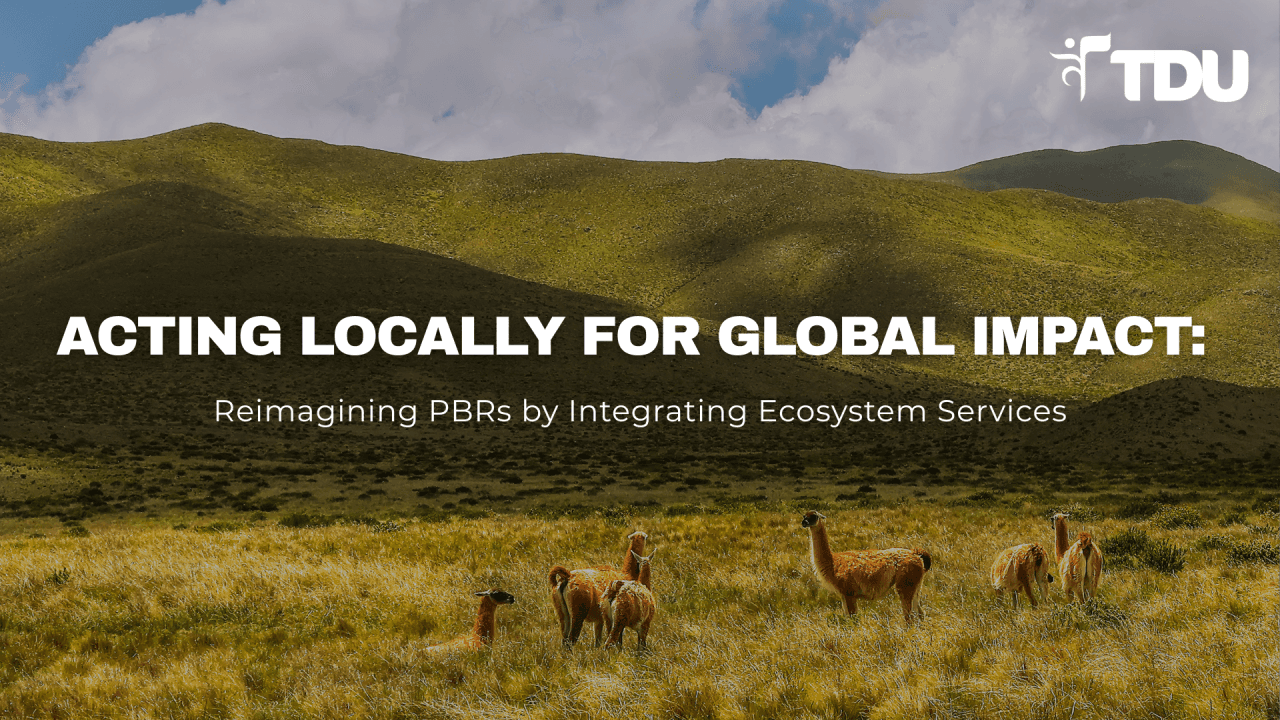
Acting Locally for Global Impact: Reimagining PBRs by Integrating Ecosystem Services
The theme of the International Day for Biological Diversity 2026—“Acting locally for global impact”—is a powerful reminder that global ecological security relies fundamentally on local ecosystems.
Read more
International Day of Forests 2026
Forests are not just natural assets - they are economic lifelines and knowledge systems. Nurturing them is essential for a sustainable and prosperous future for people and planet
Read more
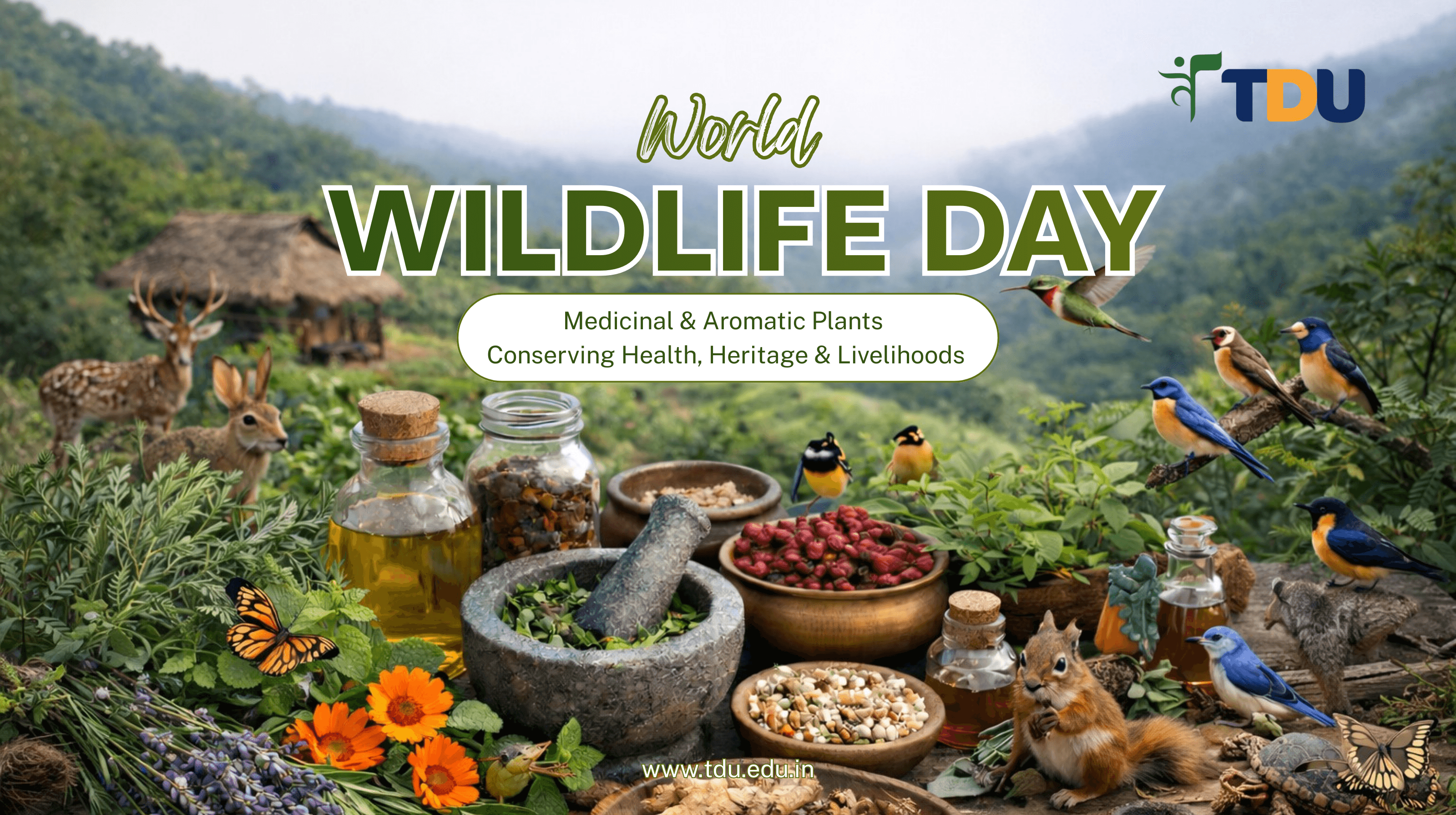
World Wildlife Day 2026
The University of Transdisciplinary Health Sciences and Technology (TDU) Calls for Action to Conserve Medicinal and Aromatic Plants for Health, Heritage and Livelihoods
Read more
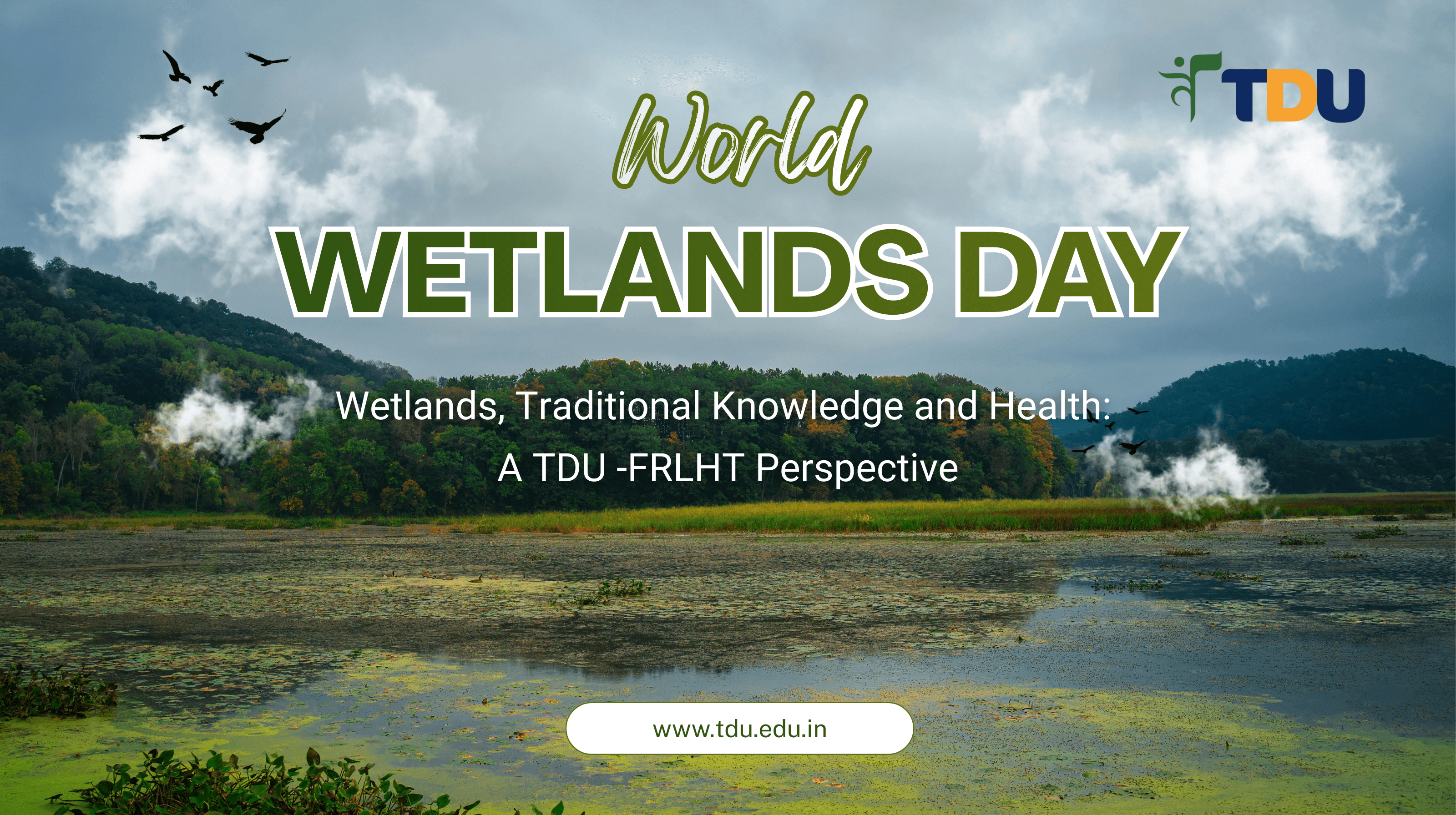
Wetlands, Traditional Knowledge and Health : A TDU - FRLHT Perspective
Wetlands are dynamic ecosystems where water meets land, creating rich habitats that support biodiversity, water security, climate resilience and cultural heritage. Observed annually on 2 February, World Wetlands Day commemorates the adoption of the Ramsar Convention (1971) and underscores the essential role wetlands play for both nature and people worldwide.
Read more
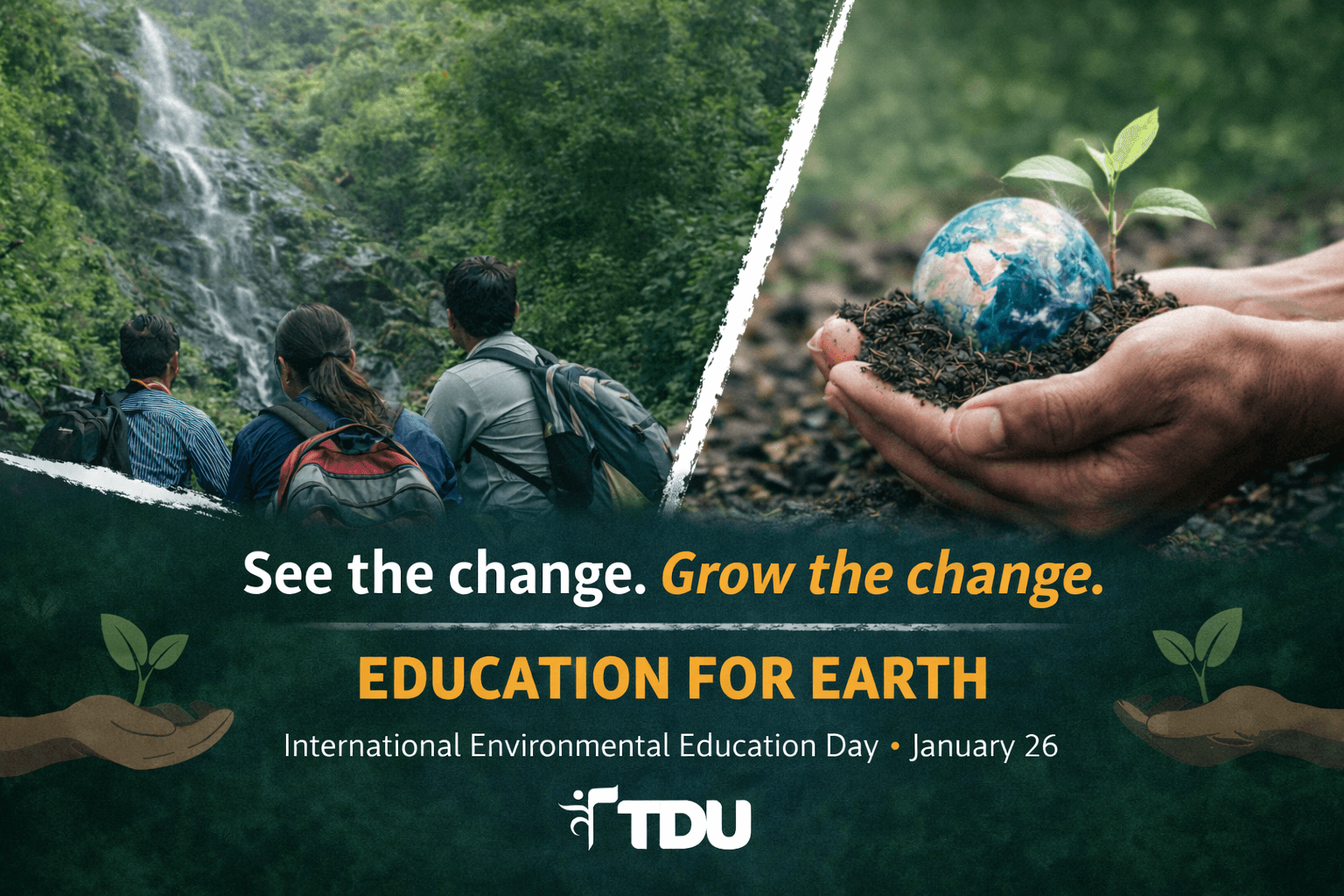
International Environmental Education Day (January 26)
On International Environmental Education Day (January 26), we are reminded of a powerful truth: The future of our planet depends on what and how we teach today.
Read more
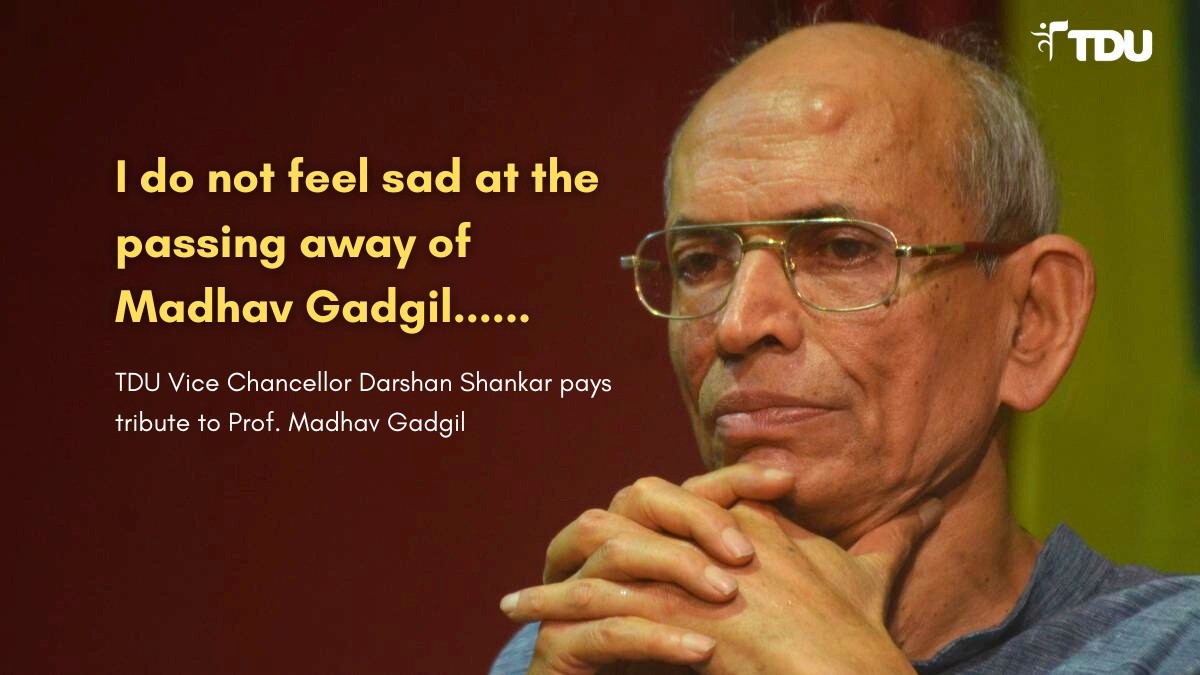
TDU VC Darshan Shankar pays tribute to Prof. Madhav Gadgil
Read more
