

2 Years
M.Sc. Life Sciences (Multiple Specialisations)
At The University of Trans-disciplinary Health Sciences and Technology (TDU), we are redefining life science education by bridging the gap between traditional knowledge and modern science. Our flagship program, the M.Sc. Life Sciences (Ayurveda Biology), equips you with the knowledge and skills to become a pioneer in healthcare. Other specialisations include Ethnobotany, Plant Systematics, Bioinformatics and Functional Genomics, and Ayurveda Pharmacognosy.
About the Program
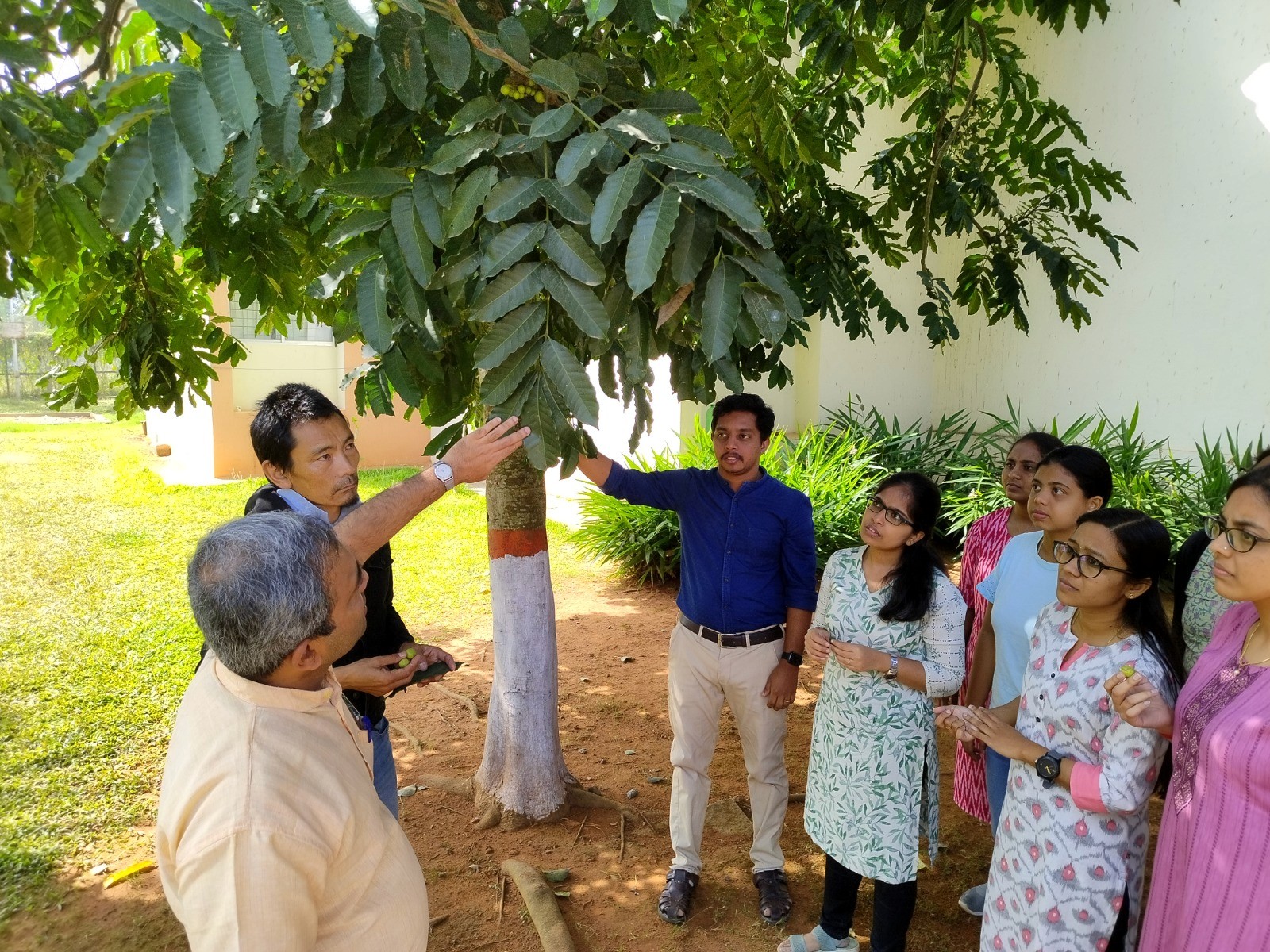
TDU offers both Masters and MSc by Research programs in the Life Sciences with various specialisations. All the programs are transdisciplinary and introduce students to Ayurveda and its principles with regard to health and wellbeing. Medicinal plants are the at the core of Ayurveda and students are introduced to them in multiple interesting ways. For instance, there are over 1300 species of medicinal plants growing on our campus. The TDU programs in Ethnobotany, Plant Systematics, Conservation, and Ayurveda Pharmacognosy introduce students to the wonderous world of plants and our dependence on them.
The list of specialisations include:
Integrated Pharmacology
Students can also select courses of their interest and create their own degrees! You can even choose courses from across Life Sciences and Food Futures. The individual pages of each of these programs have the prospectus available for download. Faculty coordinators will help you with this. You will receive either a Masters in Life Sciences or a Masters in Food Futures depending on your choice.
Masters by Research typically has fewer enrolment and is largely meant for students specialising in research. Given that we are a research university there is a very strong research component in both programs. The difference is that in the MSc R program students begin to think about and prepare for their research projects already in Semester 1. In the MSc program, the first two semesters are devoted to course work and research work begins largely in Semester 3.
All the programs will help you break traditional academic silos. Whether you dream of delving deeper into clinical specializations, tackling public health challenges, becoming an entrepreneur, or venturing into research, M.Sc. Life Sciences will provide both theory and practical experience to become a leader in the evolving world of healthcare.
Course Eligibility
Age or experience no bar. The minimum qualification required to apply for M.Sc. Life Sciences.
- B.Sc., any combination of natural sciences.
- Medical graduates (MBBS, BAMS, BSMS, BUMS, BSRMS), particularly for Ayurveda Biology and Ayurveda Pharmacognosy.
- B.Pharm, B.V.Sc., B.Tech / B.E. (Biotechnology)
Those who are still completing their internship or degree course are welcome to apply.
Admission Process
Register to
✅ Receive more details about the program of your interest and the admission form
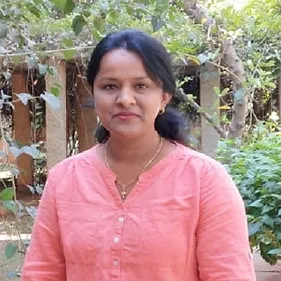
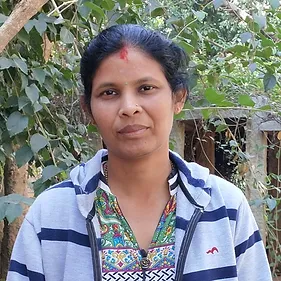
✅ Talk to a faculty member/ coordinator
✅ Make an appointment to visit the TDU campus
Course Fee Details
Please refer to the respective program page for complete fee information.


For more information

Official Contact

Contact Info


Phd Programs
Through workshops, seminars, and experiential learning opportunities, students are enabled with essential life skills and knowledge that extend beyond traditional academic learning.
Undergraduate Programs
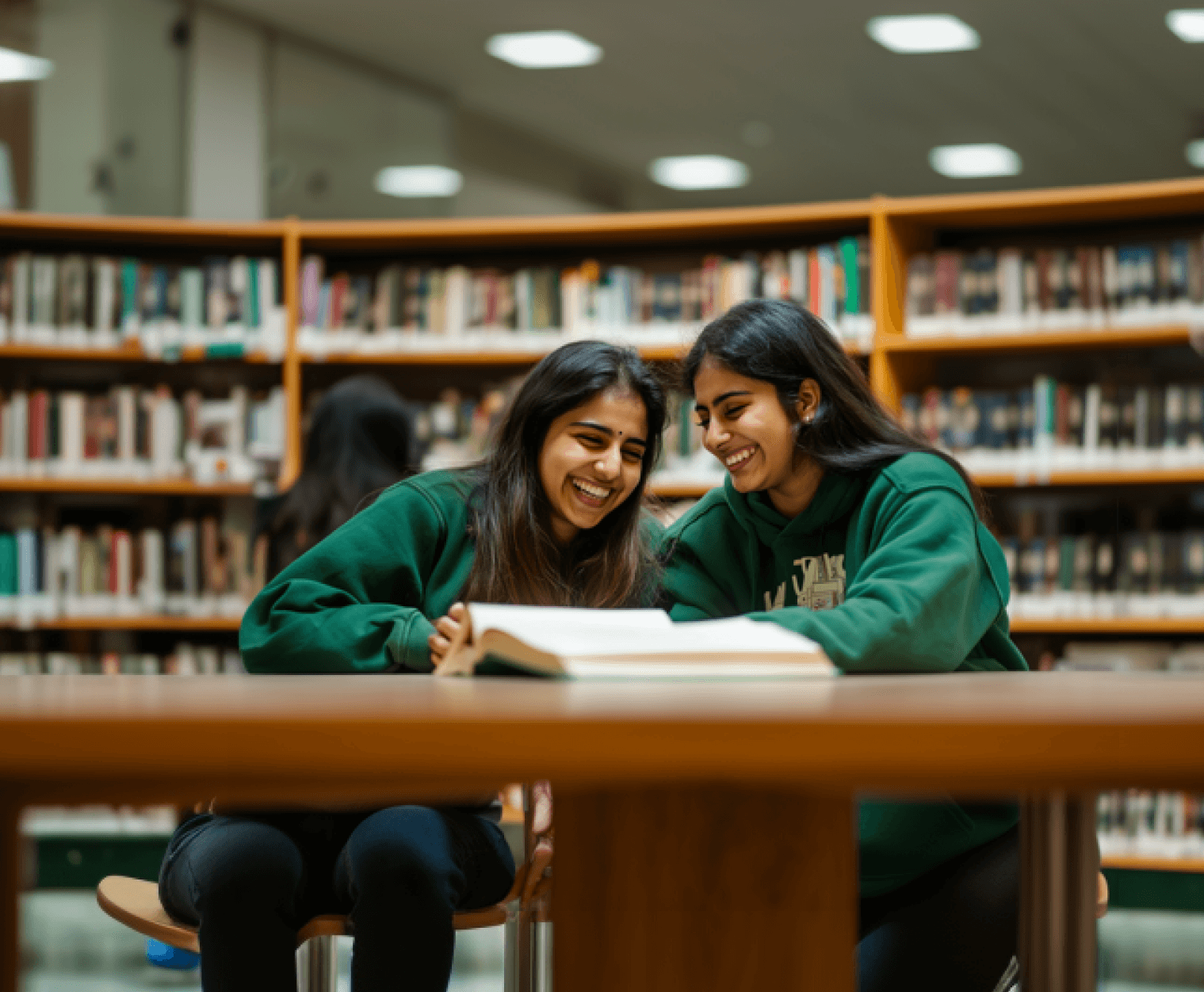
The undergraduate programs integrate traditional wisdom and modern practices, and offer students a comprehensive education that blends theoretical knowledge with practical experience.

Postgraduate Programs
The postrgraduate programs are designed to advance knowledge and expertise at the intersection of traditional and modern health sciences.
Diploma Programs
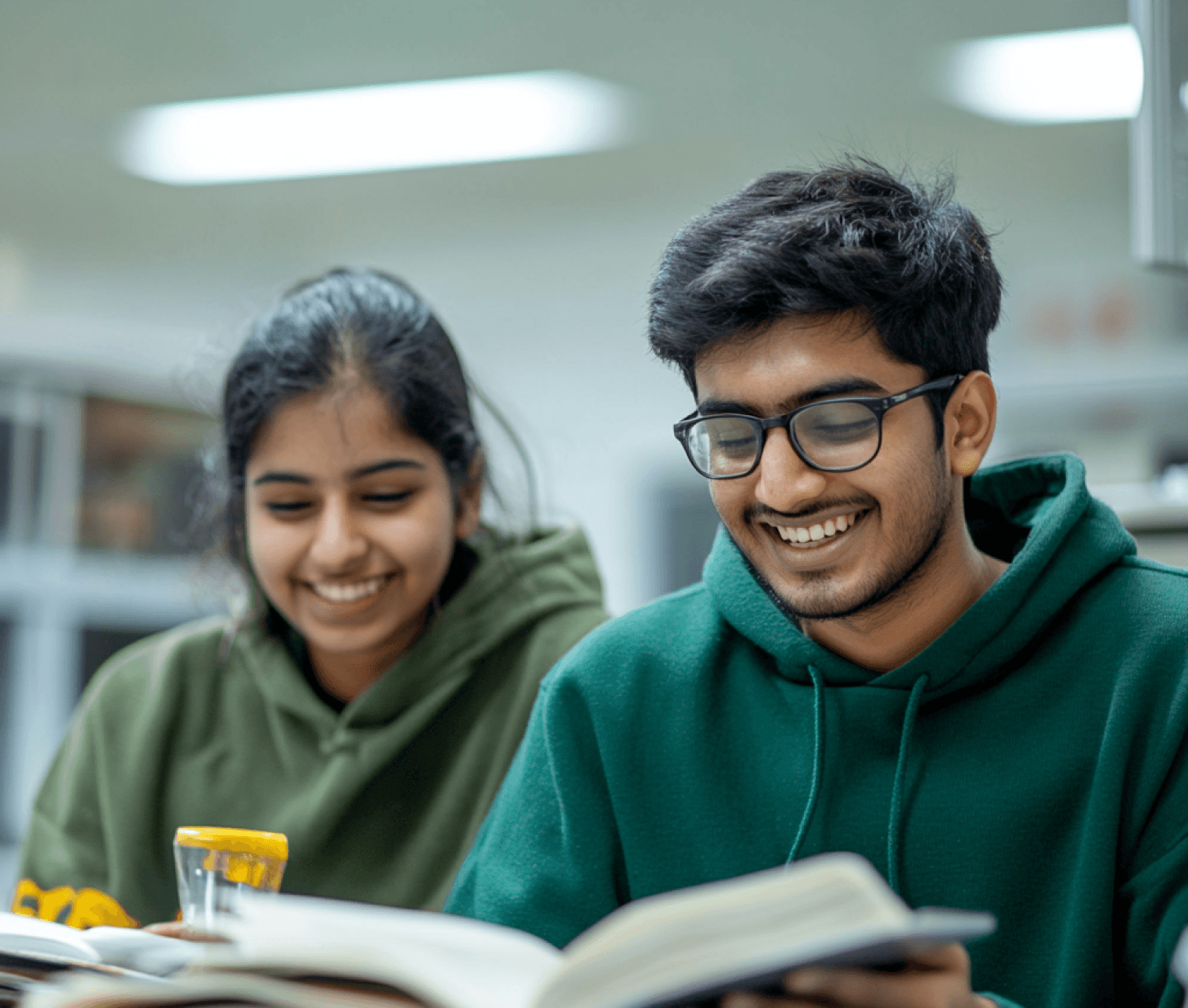
Through workshops, seminars, and experiential learning opportunities, students are enabled with essential life skills and knowledge that extend beyond traditional academic learning.

Certificate Courses
Through workshops, seminars, and experiential learning opportunities, students are enabled with essential life skills and knowledge that extend beyond traditional academic learning.
Learning for Life
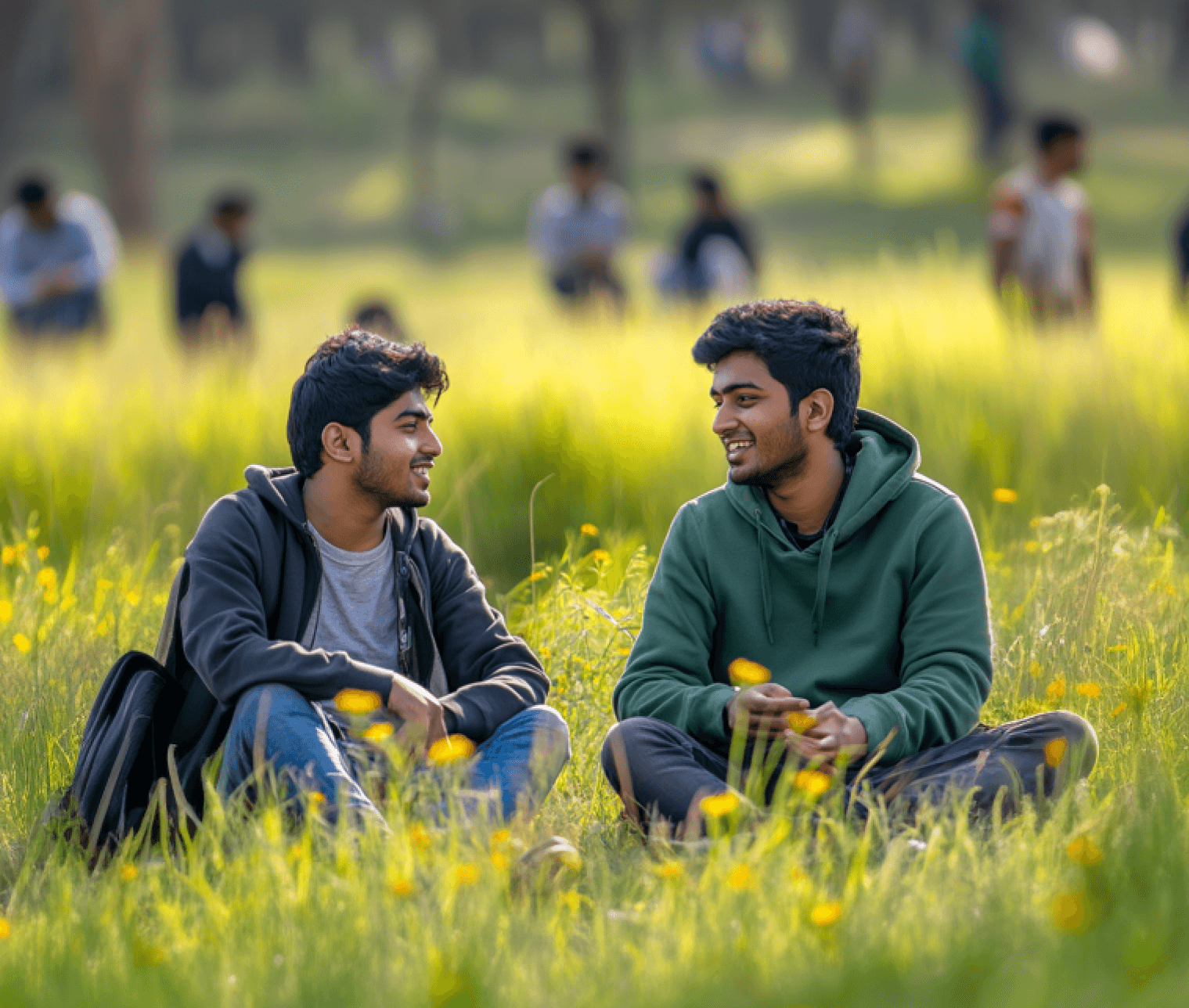
Through workshops, seminars, and experiential learning opportunities, students are enabled with essential life skills and knowledge that extend beyond traditional academic learning.
