

M.Sc. by Research (Ethnobotany)
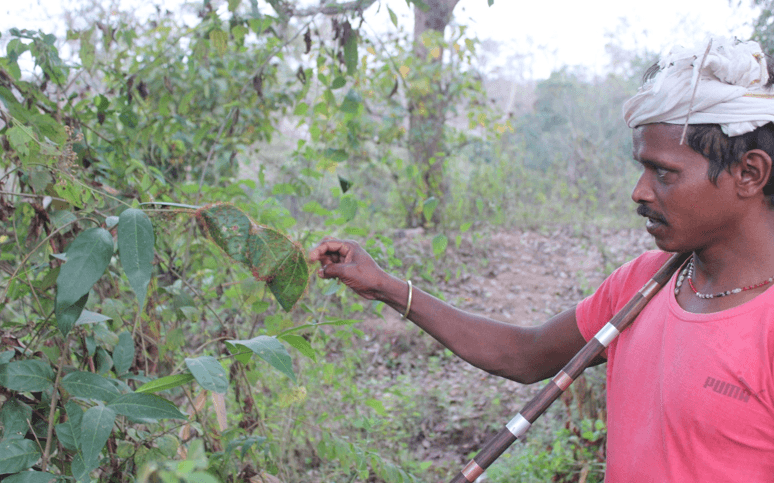
The M.Sc. Ethnobotany (by Research) is a postgraduate program that focuses on the dynamic relationships between human societies and plant diversity. The program is designed to provide students with a strong interdisciplinary foundation, integrating principles from ethnobotany, anthropology, plant taxonomy and ecology..
It combines structured coursework with rigorous training in research methodologies, enabling students to develop critical, analytical and field-based skills. A major component of the program is an independent research dissertation, through which students investigate traditional knowledge systems, plant use practices, conservation strategies, and bio-cultural diversity.
The program aims to equip graduates with the ability to document, analyse, and contribute to the sustainable use and conservation of plant resources (in-situ & ex-situ) while also addressing contemporary challenges in biodiversity conservation and traditional knowledge protection.
Course Eligibility
Candidates seeking admission to the M.Sc. Ethnobotany (by Research) program must possess a Bachelor’s degree (B.Sc.) in Life Sciences or an allied discipline from a recognised university.
Applicants should demonstrate a keen interest in plant sciences, along with a curiosity and aptitude for understanding indigenous knowledge systems, ethnic communities, and their interactions with plant diversity. A strong inclination towards field-based research, cultural documentation, and biodiversity conservation will be considered an added advantage.
Career path:
Graduates of M.Sc. Ethnobotany (by Research) can pursue diverse careers across research, conservation, and development sectors
Graduates of the M.Sc. Ethnobotany (by Research) programme can pursue Ph.D. and postdoctoral studies in interdisciplinary fields such as Ethnobotany and Anthropology, leading to careers in research and academia. They may also find employment in biodiversity conservation projects, including preparing People’s Biodiversity Registers (PBRs) and implementing community-based conservation programmes.
Opportunities are available in the herbal and natural products industry, particularly in research, development, and quality assurance. Graduates can also engage with policy frameworks such as Access and Benefit Sharing (ABS) under international agreements like the Convention on Biological Diversity.
In addition, they may work in botanical institutions, such as botanical gardens, as curators or researchers, contributing to plant conservation and documentation.
Entrepreneurial pathways are also viable, with graduates establishing start-ups focused on herbal product development, including medicinal, cosmetic, and nutraceutical applications.
Course Fee Details: Total Fees: Rs. 2,25,000
Teaching–Learning Methodology
The M.Sc. Ethnobotany (by Research) program adopts a blended and student-centric approach to teaching and learning. Core lecture content is primarily delivered through online platforms, allowing students flexibility and self-paced engagement with foundational concepts. Classroom sessions are utilized for interactive learning, including discussions, critical analysis, problem-solving, and collaborative activities.
Workshops constitute an integral component of the program, providing intensive, hands-on training in specific techniques and skills relevant to ethnobotanical research, such as field documentation, plant identification, and data analysis. Significant emphasis is placed on practical assignments and fieldwork, enabling students to engage directly with ecosystems and communities and to gain experiential knowledge. The assessment system is competency-based, focusing on the development and evaluation of practical skills, research aptitude, analytical ability, and application of knowledge rather than rote learning.
Team Members

For more information


Contact Info
abdul.kareem@tdu.edu.in
+91 93431 30299


Phd Programs
Through workshops, seminars, and experiential learning opportunities, students are enabled with essential life skills and knowledge that extend beyond traditional academic learning.

Undergraduate Programs
The undergraduate programs integrate traditional wisdom and modern practices, and offer students a comprehensive education that blends theoretical knowledge with practical experience.

Postgraduate Programs
The postrgraduate programs are designed to advance knowledge and expertise at the intersection of traditional and modern health sciences.

Diploma Programs
Through workshops, seminars, and experiential learning opportunities, students are enabled with essential life skills and knowledge that extend beyond traditional academic learning.

Certificate Courses
Through workshops, seminars, and experiential learning opportunities, students are enabled with essential life skills and knowledge that extend beyond traditional academic learning.
Learning for Life
Through workshops, seminars, and experiential learning opportunities, students are enabled with essential life skills and knowledge that extend beyond traditional academic learning.
