


B.A. (Hons.) Liberal Arts
A four-year undergraduate programme by The University of Trans-Disciplinary Health Sciences and Technology (TDU) in collaboration with Pūrṇapramati - A Center for Integrated Learning, Bengaluru
About the Course
The B.A. (Hons.) Liberal Arts is a four-year undergraduate programme offered by The University of Trans-Disciplinary Health Sciences and Technology (TDU) in collaboration with Pūrṇapramati – A Center for Integrated Learning - an educational initiative of the Satyatirtha Foundation, a not-for-profit trust based in Bengaluru. The programme seeks to nurture intellectually rigorous, ethically grounded, and socially responsible individuals through an education rooted in the Indian civilisational knowledge traditions while engaging deeply with contemporary disciplines.
The curriculum integrates Śāstra studies, Saṃskṛta, philosophy, mathematics, data science, Indian Knowledge Systems, polity, research methodologies, and experiential learning. Students are trained through close interaction with scholars, field immersion, apprenticeship, seminars, independent projects, and research-oriented learning, enabling them to develop trans-disciplinary competence along with a deep civilisational sensibility in relation to all aspects of society and polity.
Key Highlights
4-Year UG Programme - NEP-aligned, Multiple Entry & Exit
Fully Funded by Pūrṇapramati - No tuition burden on any admitted student
Intake of 25 · Small cohort, close mentorship
Single Major – Single Minor Programme
160 Credits (80 Major + 24 Minor + Foundation & Multidisciplinary Courses)
Choice of Three Majors: Nyāya Śāstra • Vyākaraṇa Śāstra • Itihāsa–Purāṇa
Choice of Three Minors: Data Science & AI • Mathematics • Culture Studies
Research-Oriented & Apprenticeship-Based Learning
Field Immersion, Independent Projects & Capstone
Personalised Mentorship
Unique Integration of Classical Śāstra and Contemporary Disciplines
Programme Learning Outcomes:
This programme would cultivate students who:
i. interprets and engage with modern social challenges through the lens of classical knowledge.
ii. are equipped with intellectual flexibility and critical thinking needed for roles in public policy, research, education, and social innovation.
iii. are equipped to make original contributions to knowledge by cultivating scholarship at the interface of tradition and modernity.
Fee: Programme supported by the Pūrṇapramati, Bengaluru by community participation in the spirit of Gurukula adhyayana model.
Course Eligibility
Applicants must fulfil the following criteria:
i. Passed HSC/PUC/Diploma/Prāk-Śāstrī or any equivalent 12th grade qualification as per the Government norms.
ii. A Personal Interview
iii. A written entrance to test the aptitude may be conducted at the discretion of the programme coordinators.
Admission Process
i. Register to receive the application form. Upon registration, an Academic Counsellor will be available to guide you and clarify any queries regarding the programme.
ii. Complete and submit the online application form along with the required academic documents and supporting information.
iii. Shortlisted candidates will be invited for a personal interview.
iv. Selected candidates will receive an admission offer through email.
Maximum Intake - 25 Students per Academic Year
What can you do after B.A. (Hons.) Liberal Arts?
Graduates of the programme will be well prepared for higher studies as well as diverse professional career pathways, including:
Research
Masters Programmes in both Major and Minor specialisations
Public Policy, Think-tanks, and Governance
Public Leadership
Social Entrepreneurship
Indian Knowledge Systems and Traditional Institutions
Translation and Language Industries
Data Science and Knowledge Analytics
Education and Curriculum Development
Non-profit and Development Sector
Why pursue TDU's B.A. (Hons.) Liberal Arts?
A unique culturally rooted Liberal Arts programme integrating classical Indian knowledge traditions with contemporary disciplines.
Jointly developed by TDU and Pūrṇapramati, both recognised for their commitment to trans-disciplinary scholarship and integrated education.
Intensive study of Śāstra traditions alongside mathematics, data science, philosophy, humanities, and social sciences.
Strong emphasis on research, apprenticeship, experiential learning, and field immersion.
Learning directly from eminent scholars, practitioners, and traditional Ācārya-s.
Small cohort size ensures close mentorship.
Residential learning environment cultivating intellectual and personal growth.
Opportunities open up to pursue inter-/trans-disciplinary careers and higher education in India and abroad.
Unique Curriculum Endorsed by an Eminent Board of Studies
The curriculum has been developed through the collective efforts of scholars, educators, practitioners, and the Board of Studies (constituted for this programme).
Member of the Board of Studies for B.A. (Hons.) Liberal Arts:
i. Chairperson - Prof. Shrinivasa Varakhedi - Vice-Chancellor, Central Sanskrit University, New Delhi.
ii. Member Secretary - Prof. Leena Wadia - Vice-Chancellor, The University of Trans-Disciplinary Health Sciences and Technology (TDU), Bengaluru.
iii. Prof. Rajeev Sangal - Former Director, IIIT Hyderabad and IIT-BHU
iv. Prof. P.R. Mukunda - Professor of Electrical Engineering at Rochester Institute of Technology, Rochester, New York.
v. Dr. Srinidhi V. - Director, Aitareya Śodha Prakāśana Pīṭha, Śrī Bhāgavataśrama Pratiṣṭhāna, Śrī Bhāndārakeri Maṭha Bengaluru.
vi. Prof. M.S. Chaitra - Associate Professor, The University of Trans-Disciplinary Health Sciences and Technology (TDU), Bengaluru.
vii. Dr. Indira Vijaisimha – Member, Academic Research and Outreach Council, The University of Trans-Disciplinary Health Sciences and Technology (TDU), Bengaluru.
After the Programme
Students completing the four-year B.A. (Hons.) Liberal Arts programme shall be eligible to pursue a one-year Master's Degree in accordance with the prevailing UGC regulations.
Programme Fee Details
a. As per the spirit of the Gurukula Śikṣā tradition, education was never regarded as a commodity. Rather, the responsibility of sustaining a gurukula was collectively borne by society through community participation, thereby ensuring the smooth functioning of educational institutions and providing quality education to all.
b. However, as per the University regulations, a tuition fee of ₹50,000 per semester is prescribed for the programme. Pūrṇapramati: A Center for Integrated Learning will provide full scholarship for all admitted students. Scholarships are raised by Pūrṇapramati from the collective goodwill and voluntary participation of the larger community that includes philanthropists, and parents.
Frequently Asked Questions (FAQs)
1. What makes this B.A. (Hons.) Liberal Arts programme different from a conventional Liberal Arts degree?
While Liberal Arts programmes across the world are known for their interdisciplinary nature, they are predominantly organised around classroom instruction, lecture-based learning, and disciplinary coursework. Although many programmes include research components and electives, the primary mode of learning generally remains classroom-centred.
The B.A. (Hons.) Liberal Arts programme at Pūrṇapramati adopts a fundamentally different educational approach. It places equal emphasis on learning by doing, learning through apprenticeship, field immersion, guided observation, and independent research, alongside classroom teaching. Students work closely with traditional scholars, practitioners, and contemporary academicians, enabling them to experience knowledge within living traditions rather than merely studying it as an academic subject.
Another distinctive feature of the programme is its unique curriculum. Approximately 50% of the programme is devoted to classical Śāstra disciplines such as Vyākaraṇa, Nyāya, Itihāsa-Purāṇa, Dharmaśāstra, and related Indian Knowledge Systems, while the remaining 50% comprises contemporary disciplines including Mathematics, Data Science and AI, Ecology, Public Policy, Philosophy of Science, Culture Studies, and Digital Research.
By combining rigorous scholarship, experiential learning, apprenticeship, and trans-disciplinary research, the programme seeks to cultivate thoughtful researchers, educators, leaders, and professionals capable of engaging with the challenges of the contemporary world from a deeply rooted civilisational perspective.
2. Is prior knowledge of Sanskrit necessary?
No. Prior knowledge of Sanskrit is not mandatory. The curriculum includes structured Sanskrit language courses that enable students to progressively engage with primary texts in the original language.
3. Does the programme provide opportunities for research, teaching, and academic mentorship?
Yes. Research and teaching are integral components of the programme from its very beginning. Students engage in guided textual studies, field-based projects, seminar courses, independent research projects, and a capstone project under the mentorship of experienced scholars and practitioners. In addition, students will have opportunities to serve as teaching assistants, enabling them to develop pedagogical skills alongside their research competencies.
4. What are the career opportunities after completing this programme?
Graduates may pursue careers in research, academia, public policy, civil services, social entrepreneurship, education, translation, cultural institutions, Indian Knowledge Systems, data science, and interdisciplinary professional domains. They are also well prepared for postgraduate studies in India and abroad.
5. What Academic pathways and other opportunities are available after this programme?
Upon successful completion of the four-year B.A. (Hons.) Liberal Arts programme, graduates become eligible to pursue a one-year Master's Degree, in accordance with the prevailing UGC regulations and further will be better equipped for Ph.D programme. The programme equips students with the interdisciplinary knowledge, research aptitude, and analytical skills required for higher studies and for preparing for competitive examinations such as the UPSC Civil Services Examination, UGC-NET, and other academic and professional opportunities.
6. What is the medium of instruction?
The primary medium of instruction is English. Depending on the nature of the course, Sanskrit and other Indian languages may also be used to facilitate deeper engagement with traditional knowledge sources.
7. Does the programme follow the National Education Policy (NEP)?
Yes. The curriculum has been developed in alignment with the National Education Policy (NEP) 2020 and the UGC regulations for four-year undergraduate programmes, including provisions for Multiple Entry and Multiple Exit.
8. How is student learning assessed?
Assessment is continuous and holistic. It includes written assignments, presentations, seminars, textual analysis, fieldwork, projects, oral examinations, reflective journals, and practical engagement, rather than relying solely on end-semester written examinations.
Team Members
For more information

Official Contact
Programme Coordinator:
Sh. Rohit Sharma
rohit.goutham@purnapramati.in

Contact Info
Gautham R - +91 - 8955169909


Phd Programs
Through workshops, seminars, and experiential learning opportunities, students are enabled with essential life skills and knowledge that extend beyond traditional academic learning.
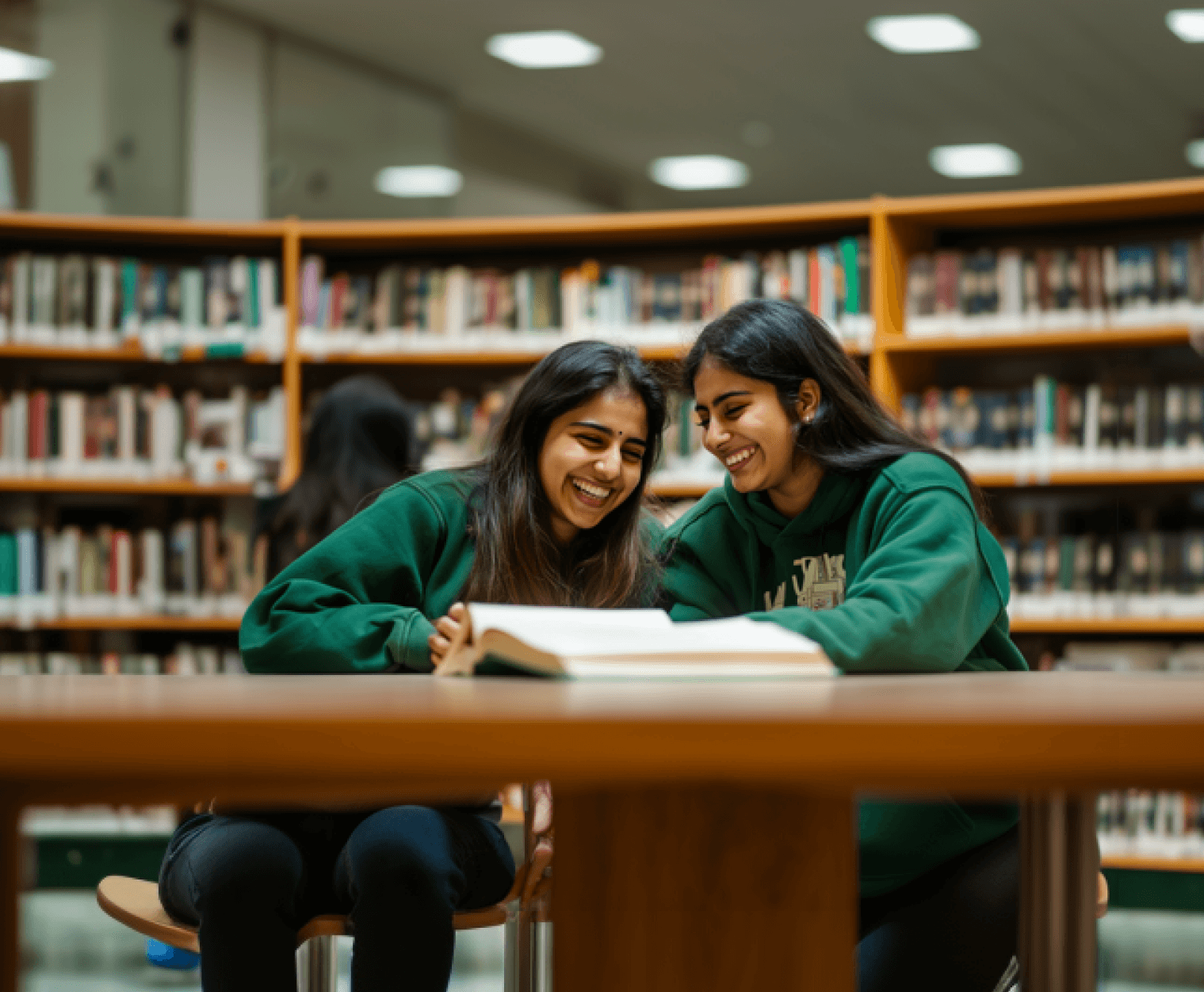
Undergraduate Programs
The undergraduate programs integrate traditional wisdom and modern practices, and offer students a comprehensive education that blends theoretical knowledge with practical experience.

Postgraduate Programs
The postrgraduate programs are designed to advance knowledge and expertise at the intersection of traditional and modern health sciences.
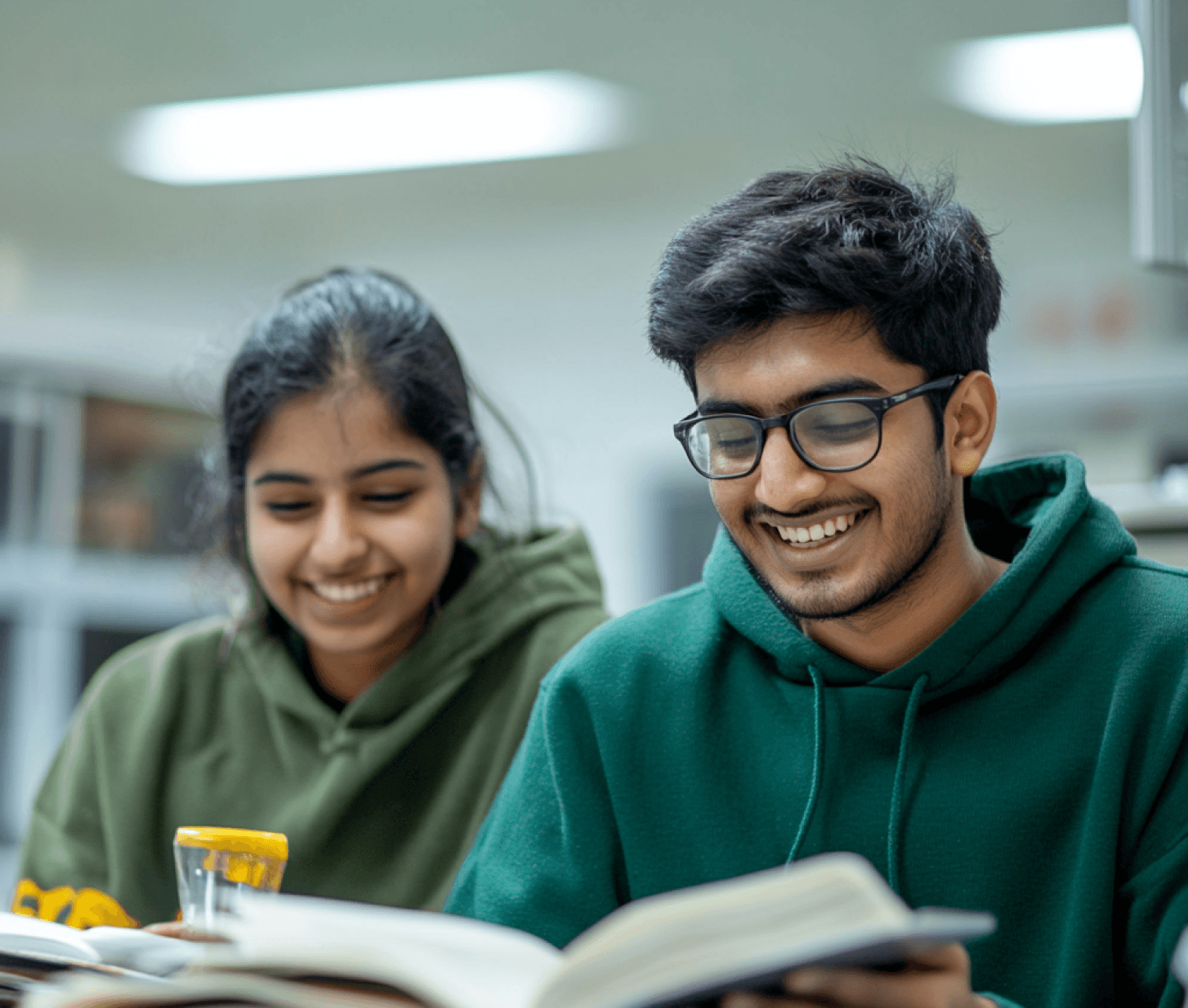
Diploma Programs
Through workshops, seminars, and experiential learning opportunities, students are enabled with essential life skills and knowledge that extend beyond traditional academic learning.

Certificate Courses
Through workshops, seminars, and experiential learning opportunities, students are enabled with essential life skills and knowledge that extend beyond traditional academic learning.
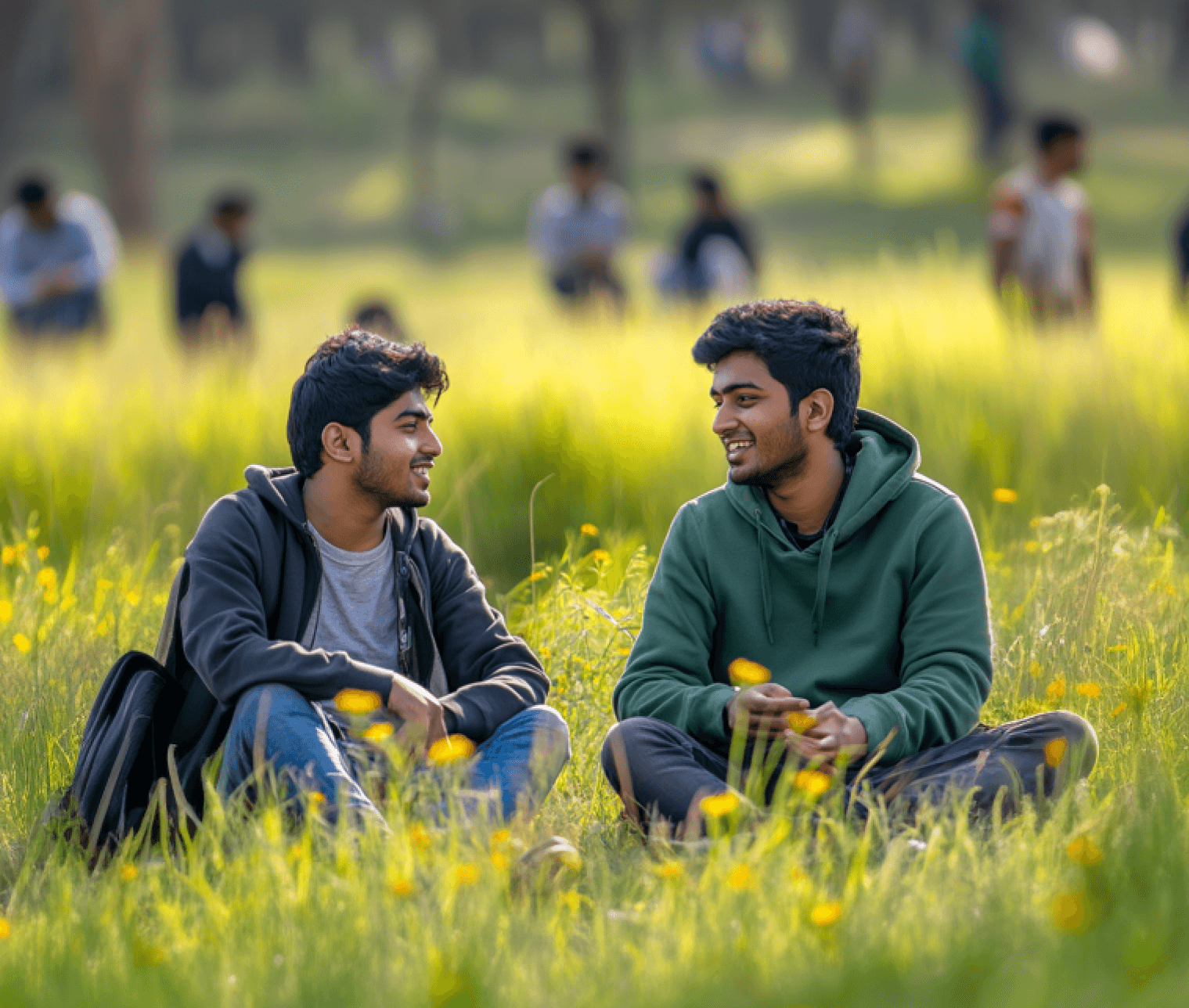
Learning for Life
Through workshops, seminars, and experiential learning opportunities, students are enabled with essential life skills and knowledge that extend beyond traditional academic learning.
