

An Expedition into Thai Traditional Traditional Medicine
Author: Bhuvana Aradhya
4th Semester
MSC Life Sciences (Ayurveda Biology)
I embarked on my first international journey, marking my inaugural flight experience. This particular trip unfolded an incredible opportunity to delve into the realm of Thai traditional medicine. It was not just an academic pursuit but also a deeply personal endeavor.
The initial day was brimming with awe as we explored a museum. My surprise peaked when I encountered the Prakruthi analysis board, discovering that Thai medicine's foundation rested on the Panchamahabhuta, excluding Akash. This revelation added a whole new dimension to my understanding.
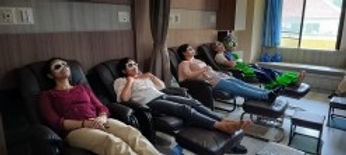
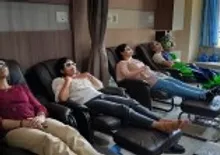
On the second day, we visited Abhaibhubejhr hospital where I learned that both Thai Traditional Medicine and modern medicine were applied in an integrative manner according to the needs of patients, which was so motivating to hear. One technique I can't forget involves a spiritual aspect for cataracts or other eye problems. They remove threads from the upper back. The doctor who performs this thread removal technique should not eat bananas for a lifetime, and for this procedure, the patient has to offer bananas to the doctor. It sounded weird, but it was a fact, and positive results are also seen in patients. On the same day, in the afternoon, we were subjected to Eye Pack Therapy. This eye pack is composed of Andrographis paniculata, Duck’s egg, and Tinospora crispa. The paste applied to our eyes was so cool.
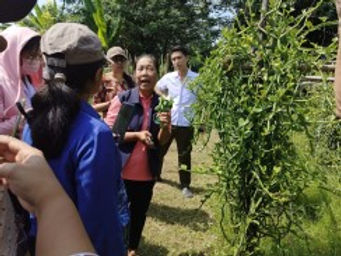
On the subsequent day, our visit to a farm offered not just hospitality but a warm welcome, complete with a refreshing Shankha Pushpi drink. Aunty Chin, with her enthusiasm, guided us through the farm, detailing the intricacies of cultivation, harvesting, processing, and packaging. Witnessing her fervor for farming was inspiring and truly eye-opening.
Learning that the Thai government actively supports and trains these farmers, fostering their growth and ensuring profits, evoked a sense of compassion for the farmers in Thailand. It left me contemplating how a similar system in India could significantly benefit the livelihoods of numerous farmers and keep them updated with current agricultural practices.
After the farm exploration, we were treated to a Thai massage. While I hadn't encountered an authentic Abhyanga session of Ayurveda, the Thai massage left me feeling remarkably lighter and rejuvenated. It was an unexpected delight in the realm of wellness and self-care.
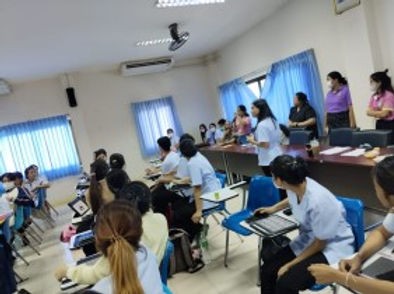
On 4th day in Abhaibhubejhr college we got to know about the curriculum of the Applied Thai medicine course. After the introductory part, we attended a lecture on the Herbal medicated oils by the students here. I liked the student to student interactive class where students learn and discuss it in the class until everybody understands. I felt this is the way of learning. Following this lecture, we demonstrated Siro abhayanga to Thai students and faculty and they demonstrated some procedures like hot pot massage for postpartum relief. This was the education exchange we did here.
In Prachinburi itself, I felt that I have learned many things from hospital, school and farm. Once we reached Bangkok and visited the Department of Thai Traditional and Alternative Medicine, we learned about the systems of medicine and its function. At the Asian Institute of Technology, we discussed about how complex food can be brought to simple form and how its helpful for absorption. Altogether, the knowledge which we learnt in Thailand was new and interesting.
Acting Locally for Global Impact: Reimagining PBRs by Integrating Ecosystem Services
The theme of the International Day for Biological Diversity 2026—“Acting locally for global impact”—is a powerful reminder that global ecological security relies fundamentally on local ecosystems.
Read more
International Day of Forests 2026
Forests are not just natural assets - they are economic lifelines and knowledge systems. Nurturing them is essential for a sustainable and prosperous future for people and planet
Read more
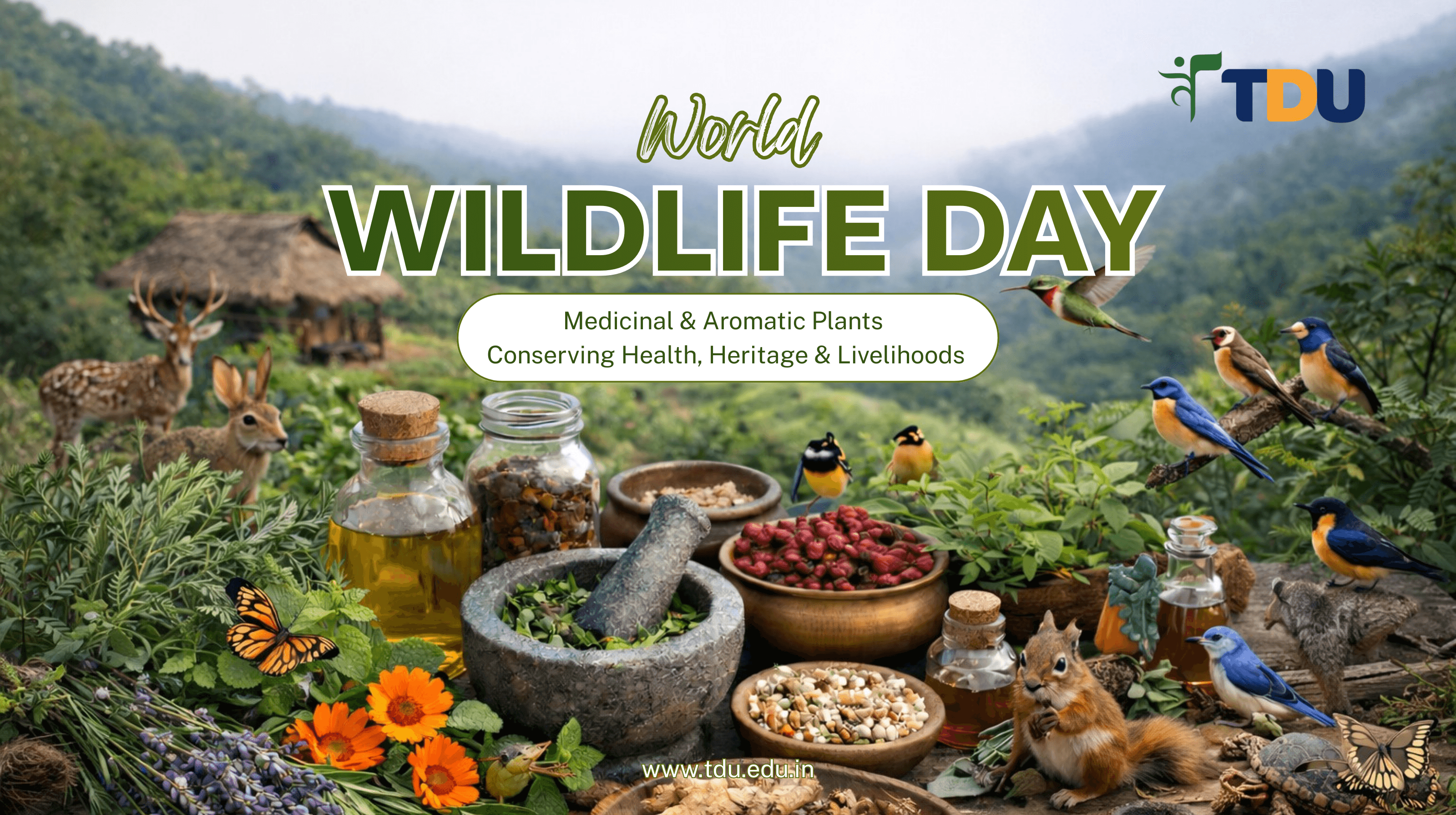
World Wildlife Day 2026
The University of Transdisciplinary Health Sciences and Technology (TDU) Calls for Action to Conserve Medicinal and Aromatic Plants for Health, Heritage and Livelihoods
Read more
Wetlands, Traditional Knowledge and Health : A TDU - FRLHT Perspective
Wetlands are dynamic ecosystems where water meets land, creating rich habitats that support biodiversity, water security, climate resilience and cultural heritage. Observed annually on 2 February, World Wetlands Day commemorates the adoption of the Ramsar Convention (1971) and underscores the essential role wetlands play for both nature and people worldwide.
Read more
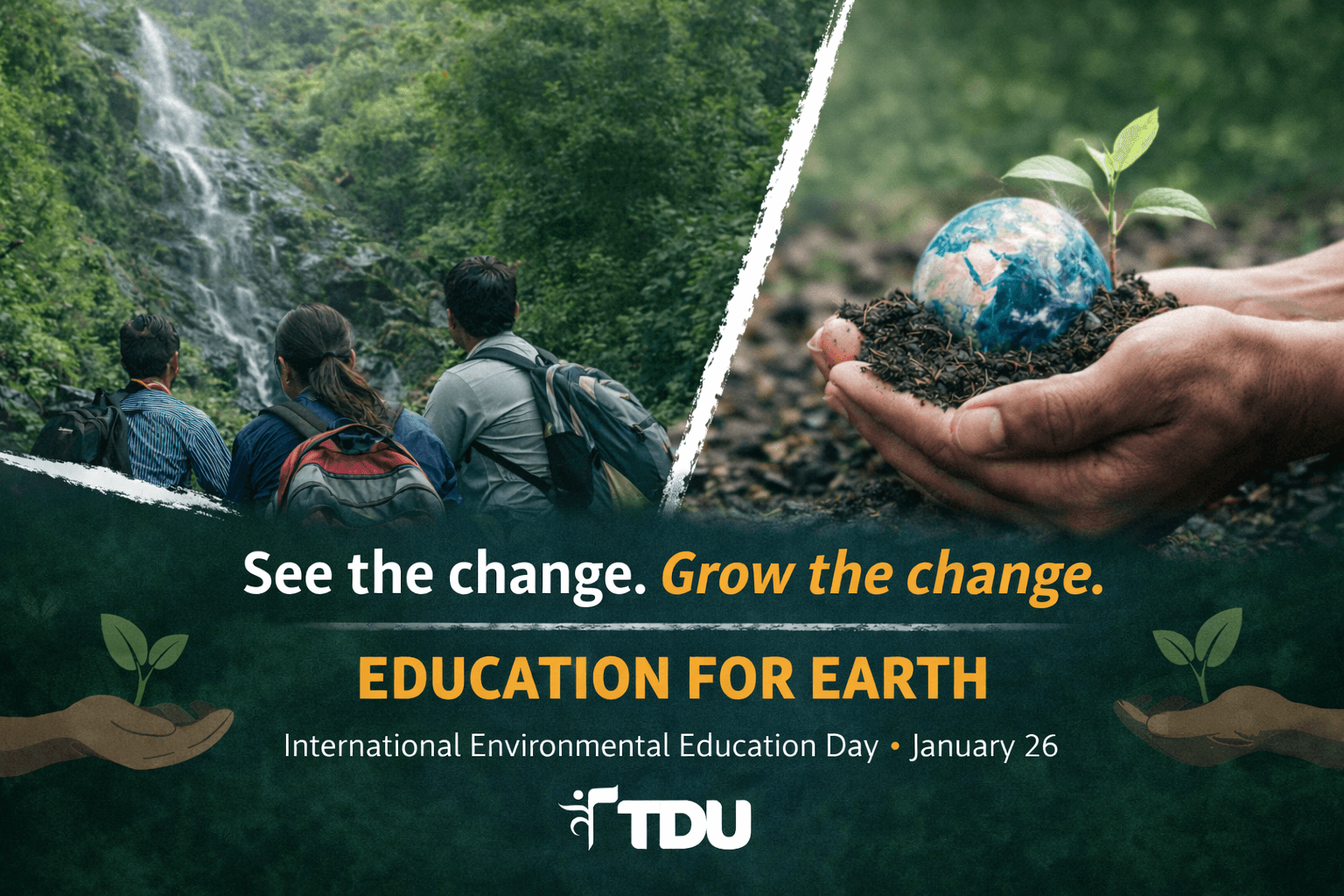
International Environmental Education Day (January 26)
On International Environmental Education Day (January 26), we are reminded of a powerful truth: The future of our planet depends on what and how we teach today.
Read more
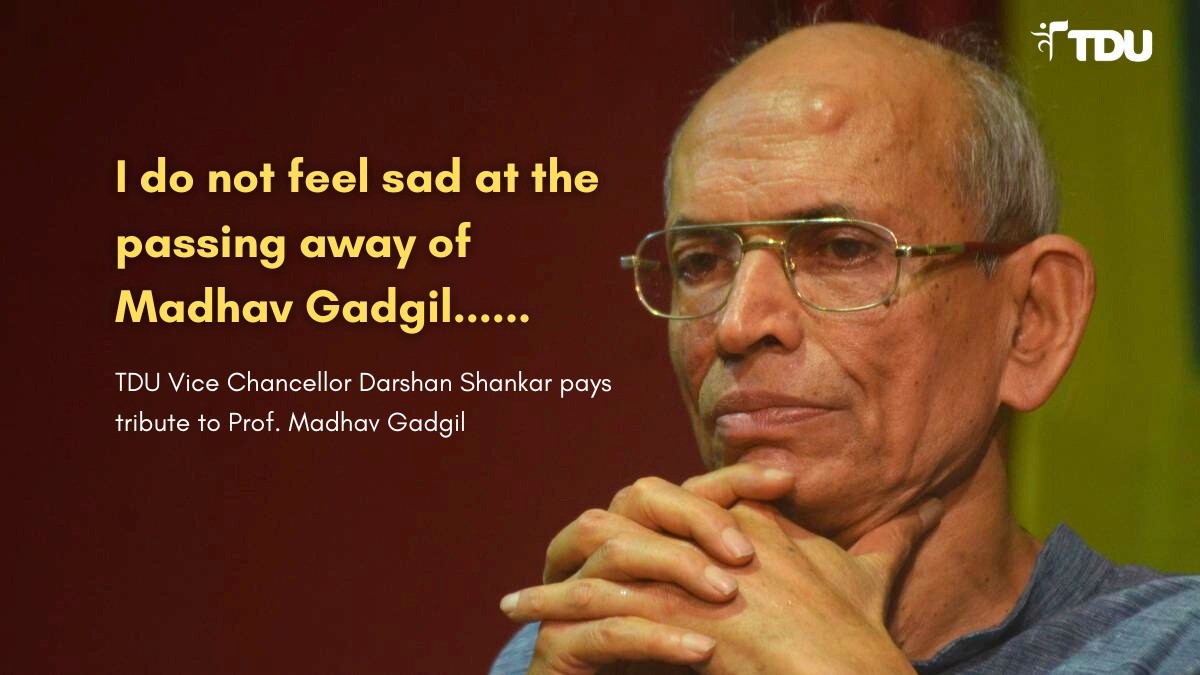
TDU VC Darshan Shankar pays tribute to Prof. Madhav Gadgil
Read more
