

2 Years
Food Futures MSc by Research (5 Verticals)
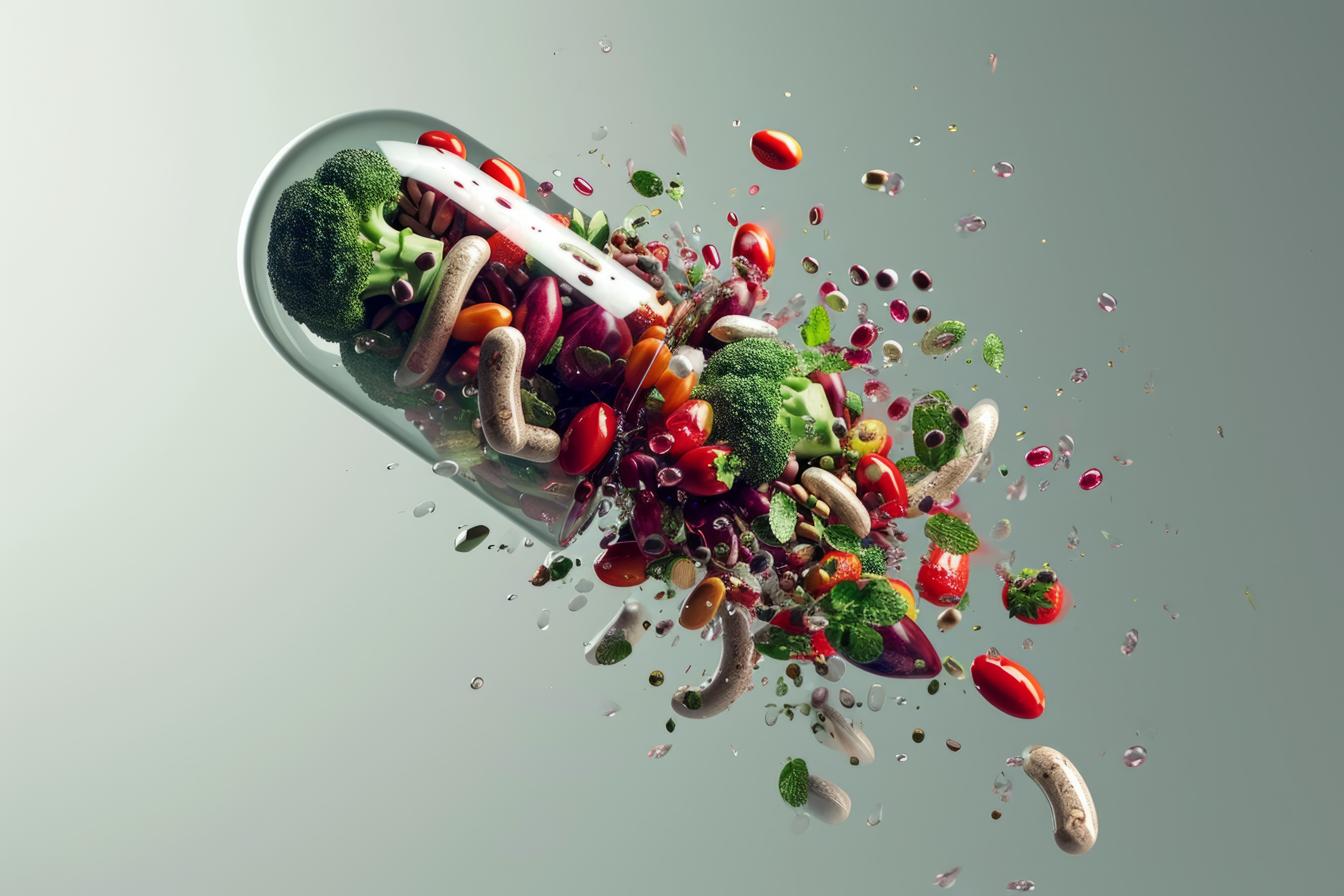
Food today sits at the intersection of human health, societal well-being, and planetary sustainability. With growing concerns around lifestyle diseases, climate change, and food security, TDU’s Food Futures programs equip students to develop solutions that are not only scientifically robust but also socially relevant and ecologically responsible.
Total fee: ₹2,25,000.
About the Course
At The University of Trans-Disciplinary Health Sciences and Technology, the Food Futures MSc Programs are designed to prepare the next generation of leaders, innovators, and researchers in food, nutrition and health, conservation, and informatics. Rooted in a trans-disciplinary approach, these programs uniquely integrate modern science, big-data, systems and design thinking, and traditional knowledge to address the most pressing challenges of our time.
The program is designed to be experiential and leverages its 13 laboratories and pilot plants to deliver a hands-on training to complement the classroom lectures. Proprietary food databases, a herbarium, ethnobotanical garden and a food forest which together harbor 1500 wild edible and medicinal plants, a state-of-the-art research kitchen & maker space, an integrative medicine hospital and a multidisciplinary faculty with food industry and academic experience, offer a unique ‘food studies’ experience.
Food Studies today is attracting students from diverse backgrounds. TDU is offering five verticals to meet the interests of the students.
The Food Futures MSc portfolio includes:
MSc by Research in Food Science, Processing & Innovation
MSc by Research in Food Science, Nutrition & Health
MSc by Research in Food Science and Informatics
MSc by Research in Food Science & Conservation
MSc by Research in Food Science & Ayurveda
Each program blends core scientific foundations with specialization pathways, allowing students to build expertise aligned with emerging domains such as personalized nutrition, microbiome science, sustainable food systems, conservation and traditional food knowledge.
Unique Learning Approach
TDU’s Food Futures programs go beyond conventional education through a “learning by doing” model, where students engage in hands-on research, lab work, and real-world problem-solving from the first semester. The total of 80 credits are split equally between courses and research, giving students the rigor needed to excel in the real world.
Key features include:
· Integration of food chemistry, microbiology, nutrition, and data science
· Exposure to design thinking and systems thinking
· Training in advanced tools such as food analytics, extrusion, rheology, air classification, omics technologies.
· Strong emphasis on Ayurveda and traditional knowledge systems
· Access to state-of-the-art labs, pilot plants, and scientific research kitchens
Students are encouraged to explore intersections across disciplines—combining culinary science, health and nutrition, microbiome research, nutrigenomics, and food processing technologies to design innovative and impactful food solutions.
Course Eligibility
Students from diverse backgrounds are welcome. Examples are bachelor's degree in engineering, data analytics, biological sciences, agricultural sciences, biotechnology, food science, nutrition, hotel management, etc.
The course is designed for students with an interest in new process development and product design in foods with consumer benefits in mind. The course is also designed for those interested in creating a food/beverage based start-up and these students will be guided to develop a pitch and a business proposal based on their research area.
Diverse & Interdisciplinary Faculty
A key strength of the Food Futures programs is TDU’s diverse faculty, drawn from academia, industry, and the wellness ecosystem. Students learn from:
Academic researchers with deep expertise in food science, nutrition, and health
Industry professionals bringing real-world experience in product development, food technology, and innovation
Practitioners from wellness traditions, including Ayurveda and integrative health
This rich mix of perspectives ensures that learning is holistic, practice-oriented, and future-ready, bridging theory with real-world application and traditional wisdom with modern science.
Research-Centric Curriculum
The programs are structured to build strong research capabilities, with significant focus on:
· Functional foods and bioactives
· Personalized and precision nutrition
· Sustainable and local food systems
· Biodiversity, agroecology, and conservation
· Integrative health and Ayurveda-based nutrition
A substantial portion of the program is dedicated to guided research and thesis work, enabling students to contribute to cutting-edge developments in food science and health.
Shaping the Future of Food
TDU’s Food Futures vision is simple yet powerful: to create solutions that connect food, health, and the environment. By combining ancient wisdom with cutting-edge science, the program prepares students to lead the transformation of food systems for a healthier and more sustainable world.
Career Pathways
Graduates of the Food Futures MSc by Research programs are equipped for diverse and impactful careers, including:
Food and nutrition industry (R&D, product innovation)
Health and wellness sectors
Data-driven nutrition and food-tech
Sustainability and policy
Entrepreneurship and start-ups
The program also provides a strong foundation for doctoral research and global academic opportunities.
Course Fee Details
Total Fee: Rs 2,25,000
Team Members



For more information

Official Contact
Mr. Ravi Kumar G

Contact Info
admissions@tdu.edu.in


Phd Programs
Through workshops, seminars, and experiential learning opportunities, students are enabled with essential life skills and knowledge that extend beyond traditional academic learning.

Undergraduate Programs
The undergraduate programs integrate traditional wisdom and modern practices, and offer students a comprehensive education that blends theoretical knowledge with practical experience.

Postgraduate Programs
The postrgraduate programs are designed to advance knowledge and expertise at the intersection of traditional and modern health sciences.

Diploma Programs
Through workshops, seminars, and experiential learning opportunities, students are enabled with essential life skills and knowledge that extend beyond traditional academic learning.

Certificate Courses
Through workshops, seminars, and experiential learning opportunities, students are enabled with essential life skills and knowledge that extend beyond traditional academic learning.
Learning for Life
Through workshops, seminars, and experiential learning opportunities, students are enabled with essential life skills and knowledge that extend beyond traditional academic learning.
